
Cranes suitable for factory buildings
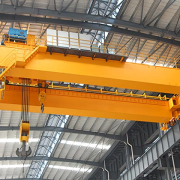
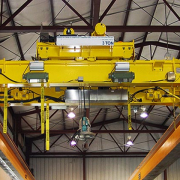
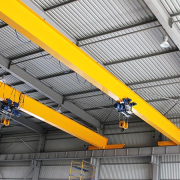
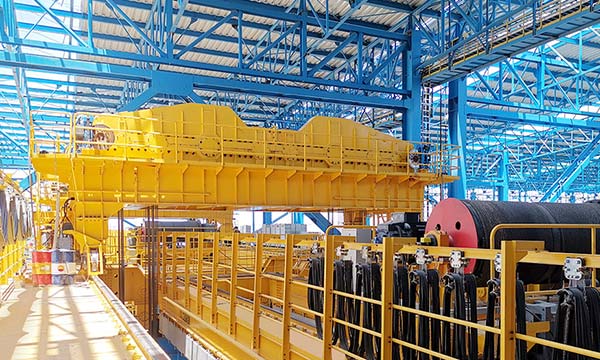
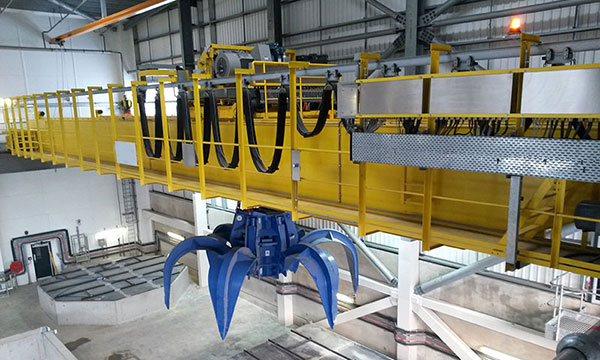
Bridge crane:
- Features: This type of crane is usually installed with rails above the ceiling in the factory building, and the crane moves through the rails.
- Applicable scenarios: Suitable for large-area factories, especially those that need to cover the entire factory space for material handling.
- Advantages: Efficient space utilization, able to cover the entire factory.
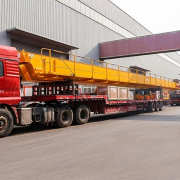
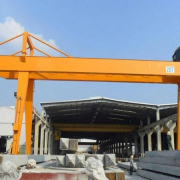
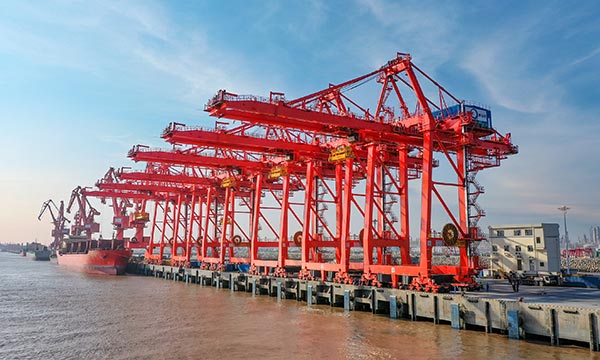
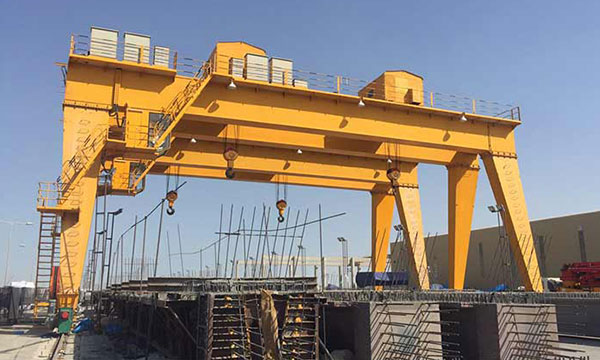
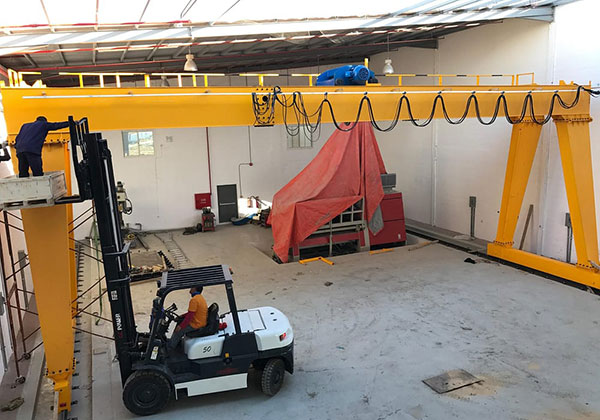
Gantry crane:
- Features: Similar to a bridge crane, but its tracks are set on the ground, usually used outdoors or in factories without ceiling support.
- Applicable scenarios: Suitable for situations where there is no suitable structure to install a bridge crane in outdoor venues or factories.

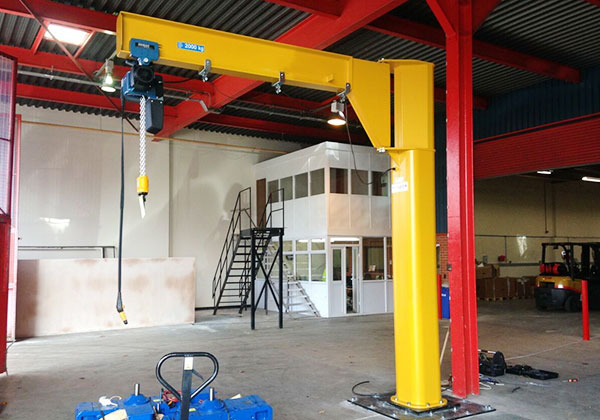
Jib crane:
- Features: This type of crane is usually mounted on a wall or column and has a swivel arm that can cover a circular work area.
- Applicable scenarios: Suitable for situations where materials need to be transported within a small area, such as machining workshops.
- Advantages: High flexibility, easy installation, suitable for places with small space.

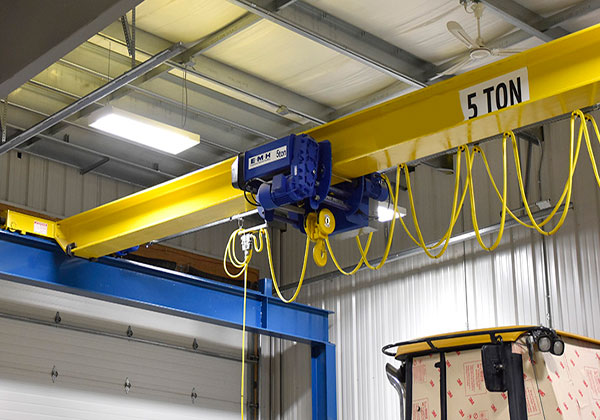
Single girder crane:
- Features: Only one main beam, usually used for light to medium loads.
- Applicable scenarios: Suitable for small and medium-sized factories, especially those with low load requirements.

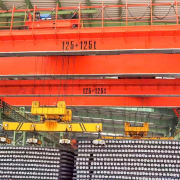
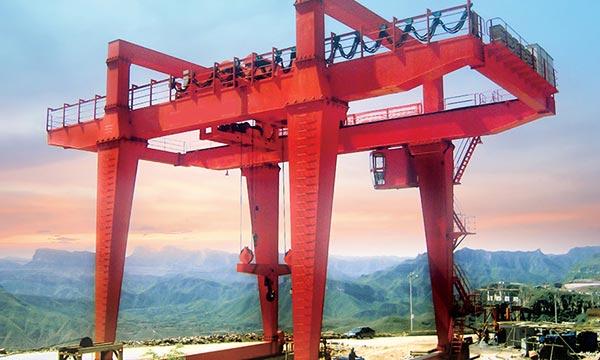
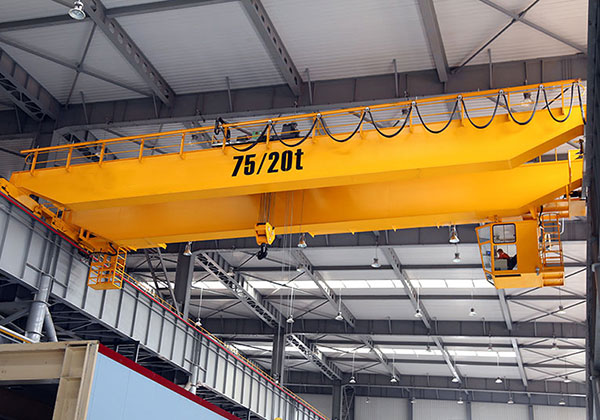
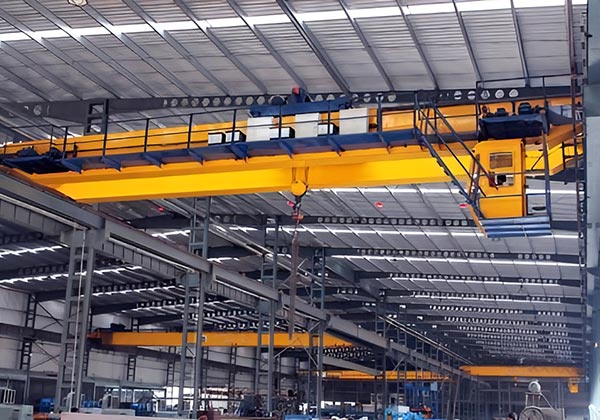
Double girder crane:
- Features: There are two main beams, which can bear larger loads.
- Applicable scenarios: Suitable for large factories that need to transport heavy items.

Electric hoist crane:
- Features: The electric hoist is installed on the main beam of the crane and is used to lift and transport materials.
- Applicable scenarios: Suitable for various factories, especially those requiring frequent lifting.

When selecting a suitable crane, you also need to consider factors such as the layout of the factory building, lifting requirements, operating frequency, etc. to ensure that the type and specifications of the crane can meet the actual use needs.