
Bridge magnetic cranes: the key to smart scrap handling
Efficient scrap handling is essential for businesses in the ferrous metal processing industry. With the growing demand for recycled steel, improving scrap handling efficiency has become a key focus for companies involved in steel production and metal recycling. Proper management of scrap not only reduces costs but also promotes sustainability by minimizing the need for new raw materials.
Challenges in Scrap Handling
Handling scrap presents several challenges:
Sorting scrap metal into different grades.
Safely lifting and transporting large and often heavy scrap.
Managing large volumes of scrap in an efficient manner.
Efficient handling is essential to ensure these challenges are overcome without compromising safety or productivity.
Magnetic Cranes and Their Role
Magnetic cranes are specialized equipment that utilizes magnets to lift, sort, and transport scrap. These cranes are essential to reducing manual labor and increasing scrap processing efficiency.
- Magnetic Lifting: By using strong permanent magnets or electromagnets, these cranes can easily pick up ferrous scrap.
- Versatility: Magnetic cranes can be used both in indoor facilities such as steel mills and in outdoor settings such as scrap yards.
- Improved Efficiency: Magnetic cranes automate the scrap handling process, allowing for faster and safer material transport.
Magnetic cranes have revolutionized scrap handling by providing a powerful and cost-effective solution that helps increase productivity, reduce labor costs, and enhance safety. This guide will explore the impact of magnetic cranes on modern scrap handling systems and how they can improve the efficiency of steel processing and recycling.
Magnetic Crane Basics
Magnetic cranes are a specialized lifting system that utilizes magnets to handle ferrous metals, such as scrap steel. These cranes are widely used in industries that require large quantities of scrap metal to be transported efficiently and safely. They provide a highly efficient solution for the lifting, sorting, and transporting of scrap steel, greatly improving the speed and safety of material handling.
Magnetic cranes use magnetic force to lift and move ferrous metals. They can be configured with different types of magnets and can be used in both indoor and outdoor environments, such as steel mills, foundries, scrap yards, and metal recycling plants.

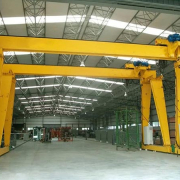
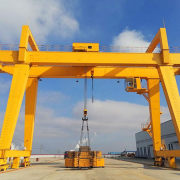
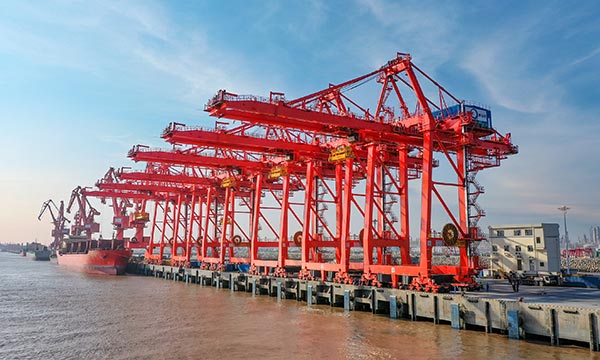
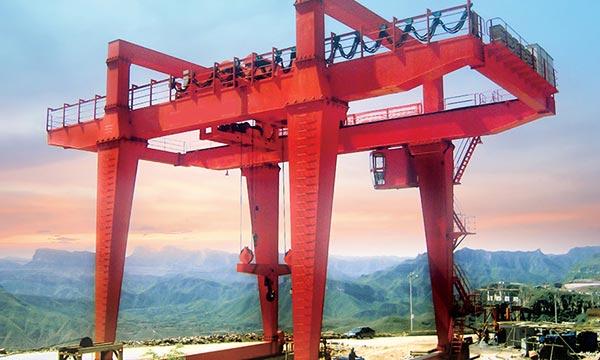
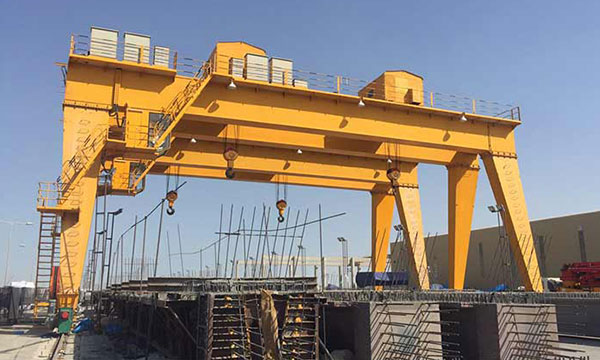
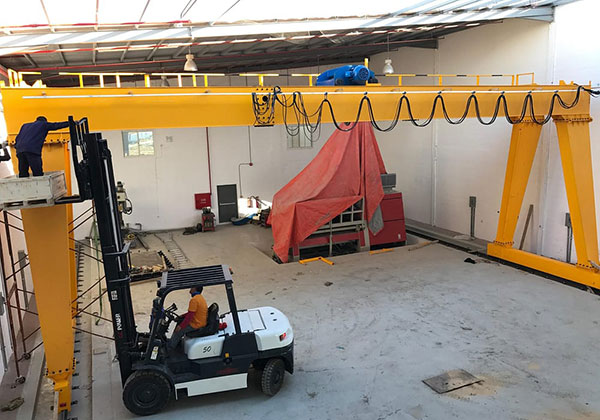
Magnetic Gantry Crane for Scrap Handling
How it works: Magnetic cranes operate by attaching a magnet to the crane’s hook or lifting mechanism. This magnet creates a magnetic field that attracts ferrous metal. The crane operator can then use the crane’s hoist and tackle system to move the metal to the desired location.
Types of Magnets Used
- Permanent magnets: These magnets do not require an external power source. Once magnetized, they remain magnetic indefinitely. Permanent magnets are ideal for applications that require constant, reliable magnetic force and where energy efficiency is a priority.
- Electromagnets: These magnets require an electric current to create a magnetic field. The magnetic force can be turned on or off by controlling the current. Electromagnets are typically more powerful than permanent magnets and are often used to handle heavier loads or large amounts of scrap metal.
Key Components
Magnetic cranes consist of several key components that work together to accomplish efficient material handling.
Crane System
- Crane: The crane is the device that raises and lowers the crane hook or lifting magnet. It provides vertical lift for the material and is usually driven by an electric motor.
- Trolley: The trolley moves along the crane’s beam, transporting the load horizontally. It allows the operator to position the magnets exactly where they are needed.
- Crane Beam: This is the horizontal structure that supports the crane and hoist system. It is the framework that allows the crane to move within the facility, whether it is a single or double beam design.
Magnetic Attachment System
- Lifting Magnet: This is the heart of the magnetic crane system. The magnet is attached to the crane’s hook and can be either a permanent magnet or an electromagnet. The size and strength of the magnet is selected based on the type and weight of the material being handled.
- Control System: The crane operator controls the lifting magnet via a remote control or control panel. The control system adjusts the strength of the magnet (in the case of electromagnets) and ensures smooth operation of the crane. For advanced systems, the control system can include features such as overload protection, safety sensors, and remote monitoring to increase efficiency and safety.
- Magnetic cranes combine powerful lifting capacity, precision, and versatility, making them ideal for handling scrap metal in a variety of industrial environments. Understanding these key components can help select a crane system that is suitable for specific material handling needs.
The Role of Magnetic Cranes in Scrap Handling
Magnetic cranes are essential in both indoor and outdoor scrap handling operations, streamlining the movement of scrap metal in a variety of environments. They provide efficiency, safety and significant cost savings by automating labor-intensive processes. Below, we explore the role of magnetic cranes in two key areas: indoor and outdoor scrap handling.
Indoor Scrap Handling
Magnetic cranes play a vital role in the efficient handling of scrap within controlled indoor environments such as steel mills, foundries and metal recycling plants.
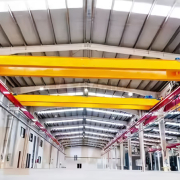
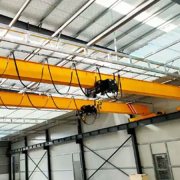
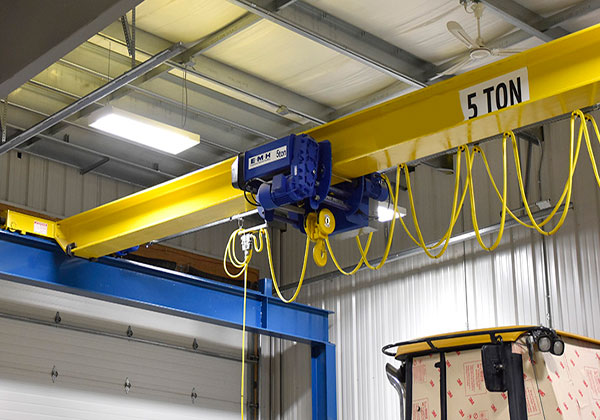
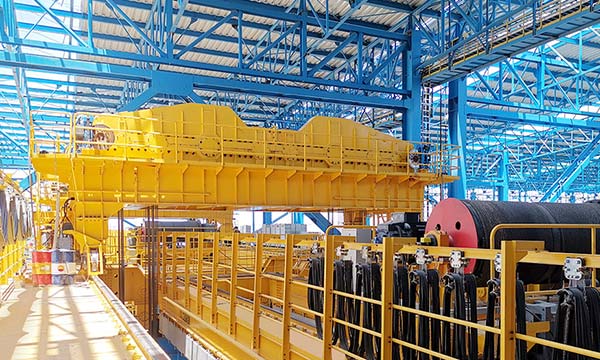
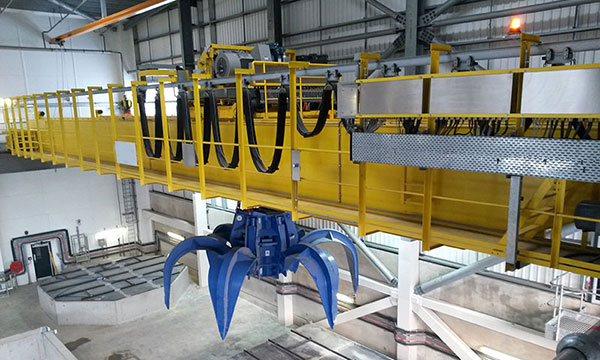
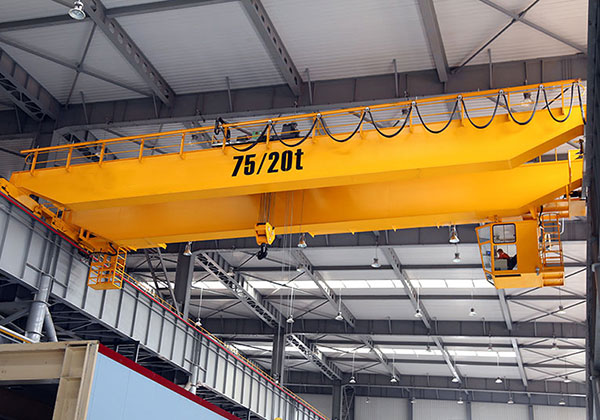
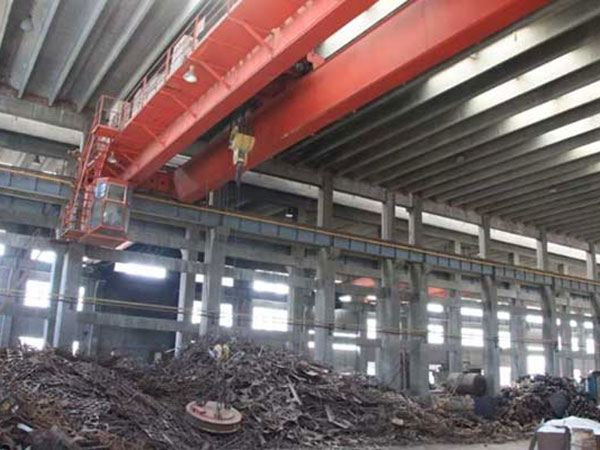
Magnetic Overhead Cranes for Indoor Scrap Handling
Applications in Steel Mills, Foundries and Metal Recycling Plants:
- Steel Mills: In steel production facilities, magnetic cranes are used to lift and transport scrap metal to furnaces for smelting. Cranes help handle large volumes of scrap, reduce the need for labor, and minimize the risk of injury in hot environments.
- Foundries: Foundries, which melt and cast metal into various shapes, also rely on magnetic cranes to transport scrap steel into melting units. The ability to quickly and safely handle heavy scrap steel increases the output and overall productivity of foundries.
- Metal Recycling Plants: In recycling plants, magnetic cranes are used to sort and lift scrap steel from conveyor belts or storage bins. Cranes help separate different grades of scrap steel, making the recycling process more efficient and maximizing the value of the materials being processed.
Sorting, Lifting and Transferring of Scrap Steel:
Magnetic cranes enable accurate sorting of scrap steel by lifting and transporting different grades of steel material to designated areas. This sorting process is critical to ensuring that only high-quality scrap steel is further processed, thereby increasing the efficiency of recycling operations.
By automating the lifting and moving of scrap, magnetic cranes significantly reduce labor costs and improve overall safety. Operators no longer have to manually handle scrap that can be heavy, sharp, or dangerous, which reduces workplace injuries.
Outdoor Scrap Handling
Magnetic cranes are equally effective in outdoor scrap handling operations, where they are used to manage large volumes of scrap metal in open or rugged environments such as scrap yards and steel storage yards.
Applications for Scrap Yards, Steel Storage Yards, and Outdoor Processing Areas:
- Scrap Yards: At outdoor scrap yards, magnetic cranes are essential for picking up, sorting, and loading scrap into trucks or containers for transport. These cranes can easily handle large volumes of scrap metal, lifting irregularly shaped or heavy objects with ease.
- Steel Yards: Magnetic cranes are used to organize and move scrap within large outdoor storage areas. They can quickly load or unload scrap from storage bins or stockpiles, ensuring that the material is always ready for processing or transport.
- Outdoor Processing Areas: In areas where scrap is prepared for recycling, magnetic cranes help sort and transfer the scrap to the appropriate processing machines. Whether sorting by size, grade or metal type, these cranes ensure that scrap handling is completed efficiently, even in challenging outdoor conditions.
Handling Large Volumes of Mixed Scrap:
Outdoor environments often require handling large volumes of mixed scrap, which can be difficult to handle manually. Magnetic cranes excel in these environments because they can lift and transport scrap of various shapes, sizes and weights. By using powerful electromagnets or permanent magnets, these cranes are able to move large volumes of metal in a single operation.
The ability to quickly and efficiently manage mixed scrap piles minimizes the time required for sorting and processing, improving the overall workflow and throughput of outdoor facilities.
Magnetic cranes have transformed the scrap handling industry both indoors and outdoors. Not only do they improve operational efficiency by reducing manual labor, they also improve safety by eliminating the need for workers to directly handle heavy or hazardous materials. Their versatility and power make them an essential part of modern scrap handling operations in the ferrous metal processing industry.
Advantages of Magnetic Cranes in Scrap Handling
Magnetic cranes offer several key advantages in handling scrap, making them an indispensable tool in the ferrous metal processing industry. These advantages include significantly reduced manual labor, improved operational efficiency, and increased precision in scrap sorting. Below, we’ll take a closer look at these benefits.
Reduced Physical Labor
One of the most notable benefits of magnetic cranes is their ability to reduce or eliminate the need for manual labor in scrap handling operations.
No Need for Manual Sorting and Lifting:
Traditionally, the handling of scrap metal requires workers to manually sort, lift, and transport heavy or irregularly shaped metal pieces. This not only increases labor costs, but also poses a serious safety risk to workers.
With magnetic cranes, there is no need for manual sorting. The crane’s magnets quickly and efficiently grab the scrap metal and move it to a designated area, reducing reliance on manual labor and allowing workers to focus on other tasks.
Worker Safety Benefits:
Magnetic cranes improve workplace safety by reducing worker exposure to hazardous materials. Workers no longer have to come into contact with heavy or sharp scrap metal and avoid injury.
In addition, magnetic cranes reduce the risk of fatigue and strain injuries associated with manual lifting, helping to create a safer work environment.
Increased Efficiency
Magnetic cranes significantly improve the efficiency of scrap metal handling, providing faster and more reliable operation than traditional manual or non-magnetic systems.
Faster, More Reliable Material Handling:
Magnetic cranes can quickly pick up and move large amounts of scrap metal, much more efficiently than manual handling or non-magnetic systems. With the ability to lift multiple pieces of scrap at once, these cranes can significantly reduce cycle times and speed up material flow within your facility.
Unlike manual operations, which can be slowed down by human limitations and fatigue, magnetic cranes provide consistent performance, ensuring reliable material transportation all day long.
Ability to lift and transport large, irregularly shaped scrap:
Scrap typically comes in a variety of shapes and sizes, from small pieces of scrap to large, heavy pieces of steel. Magnetic cranes are ideal for handling these irregularly shaped materials. The magnets are able to firmly grip large, heavy or oddly shaped pieces of scrap, ensuring they can be easily transported, minimizing downtime and the need for specialized handling equipment.
Precision and Sorting Capabilities
Magnetic cranes also offer excellent precision in sorting and managing scrap, optimizing recycling processes and maximizing material value.
Separating ferrous metals from non-ferrous materials:
One of the key challenges in scrap recycling is sorting ferrous metals (steel, iron) from non-ferrous metals (aluminum, copper, etc.). Magnetic cranes can effectively separate ferrous scrap from non-ferrous materials by lifting only ferrous metals.
This ability to sort ferrous from non-ferrous metals improves the efficiency of the recycling process, ensuring that materials are properly processed based on their type. The sorted scrap can then be sent to the appropriate processing or recycling stream, improving the quality and efficiency of the recycling operation.
Optimizing scrap recycling:
Magnetic cranes help ensure that only high-quality scrap enters the recycling stream, thereby optimizing the value of the scrap. By preventing non-ferrous metals from contaminating the scrap stream, these cranes help maximize the purity of the scrap metal, thereby increasing its value for recycling or remanufacturing.
The ability to effectively separate materials also helps better manage resources, ensuring valuable scrap is processed while reducing pollution and waste.
Magnetic cranes are a powerful tool for handling scrap. By reducing the need for labor, improving efficiency, and providing precise sorting capabilities, they contribute to safer, faster, and more profitable scrap handling operations. These benefits make magnetic cranes a great investment for companies looking to optimize their scrap handling and recycling processes.
Impact on Productivity and Cost Efficiency
Magnetic cranes not only improve the efficiency of your scrap handling operations, they can also significantly increase overall productivity and cost savings. By streamlining material flow and reducing handling time, these cranes can increase throughput while reducing operating costs. Below, we’ll examine how magnetic cranes can increase productivity and improve cost efficiency in scrap handling.
Speed and Throughput
One of the most important benefits of magnetic cranes is their ability to speed up the material handling process, ultimately increasing throughput and reducing overall cycle times.
How magnetic cranes speed up material flow and reduce cycle times:
Magnetic cranes can quickly lift and move large amounts of scrap metal, significantly reducing the time required to load, transfer, and sort material. This speed is critical in environments such as steel mills and recycling plants, which handle large volumes of scrap on a daily basis.
Automating the lifting and sorting process eliminates delays associated with manual handling, where workers may need to spend time sorting the scrap or physically moving the material to different locations. With magnetic cranes, these tasks can be completed quickly and error-free, ensuring that materials move smoothly through the workflow.
Case studies or examples of facilities that have increased productivity:
Steel Plant Example: A steel plant switched from manual scrap handling to a magnetic crane and was able to process scrap 40% faster. The crane’s ability to quickly pick up scrap and move it to furnaces or storage areas significantly increased the plant’s output, reduced bottlenecks in the production process, and allowed the plant to process more scrap.
Recycling Plant Example: A metal recycling plant adopted a magnetic crane to process scrap steel. By automating sorting and lifting, the plant was able to reduce cycle time by 30%, increasing the amount of scrap it processed each day. As a result, the plant could process more scrap without hiring additional workers or adding shifts.
Reduce costs
In addition to increased productivity, magnetic cranes can also provide significant cost savings, making them a smart investment for scrap processing operations.
Save labor costs and improve material handling:
Magnetic cranes greatly reduce the need for labor, thus directly saving labor costs. Workers no longer need to manually sort and move heavy scrap materials, reducing the number of personnel required for handling operations.
Additionally, by automating material handling, companies can reallocate labor to other areas of operations where human expertise is more needed. This can improve overall operational efficiency and reduce the need for overtime or additional personnel.
Reduce scrap and equipment damage:
Inefficient waste handling methods, such as manual lifting or use of non-skilled equipment, can damage waste materials and equipment. For example, improper handling of heavy or irregularly shaped scrap can lead to deformation or contamination, which reduces the value of the scrap and increases the need for reprocessing.
Magnetic cranes provide a controlled, safe lifting process that minimizes the risk of scrap damage. Cranes can lift scrap materials without them falling or being misplaced, ensuring the scrap remains in optimal condition for recycling or further processing.
In addition, the precision of magnetic cranes reduces wear and tear on other equipment such as cranes, trolleys and forklifts, thereby extending the life of these equipment and reducing maintenance costs.
By speeding up material flow, reducing labor costs and preventing scrap and equipment damage, magnetic cranes make a strong case for improving the productivity and cost-efficiency of scrap processing. Magnetic cranes optimize the entire handling process, ensuring companies can meet growing demand while maintaining a competitive advantage by reducing operating costs.
Key Safety Precautions for Magnetic Cranes
While magnetic cranes offer significant operational advantages, it is critical to implement strong safety measures to protect workers, ensure reliable performance and prevent accidents. Handling heavy scrap steel can be dangerous, and proper safety procedures are crucial to reducing risks. Below, we discuss key safety considerations for magnetic cranes, including operator training, safety features, and the importance of regular maintenance and inspections.
Operator training and safety procedures
Effective operator training and clear safety procedures are critical to ensuring that magnetic cranes operate safely and efficiently. Properly trained operators are more likely to avoid accidents, operate equipment correctly, and respond appropriately in emergency situations.
Proper training for crane operators:
Operators must receive comprehensive training on how to control a magnetic crane, including how to operate the hoist, adjust the lifting magnet and maneuver the crane within the facility. This training should cover basic crane operation, safety practices and emergency response procedures.
Specific training should also be provided for operating magnetic cranes in environments where scrap is irregularly shaped or heavy. This helps operators understand how to lift and move materials safely without causing an accident or damaging the crane or scrap material.
Security features:
- Emergency stop system: All magnetic cranes should be equipped with an easily accessible emergency stop button or system. This allows operators to quickly stop crane operations in an emergency, preventing accidents or injuries from accidental movement or equipment failure.
- Overload Protection: The overload protection system ensures that the crane does not lift more than its design capacity. This is critical to preventing equipment failure, accidents or injuries caused by lifting too much scrap.
- Magnetic field containment: Magnetic cranes should also include measures to contain magnetic fields to prevent accidental attraction of materials or interference with nearby equipment. Proper shielding and safety barriers around magnets help minimize the risk of unwanted magnetic interactions.
Maintenance and inspection
Regular maintenance and inspections are essential to ensure the continued safe operation of your magnetic crane. Well-maintained cranes are more reliable, more efficient, and less likely to break down during operation.
Regular inspection of magnet performance and crane system:
Magnets should be inspected regularly for signs of wear, weakened magnetism, or potential damage. This is especially important for electromagnets, as their performance can degrade over time if not properly maintained.
It is also important to inspect the crane’s hoist, tackle, and control systems to ensure that everything is functioning properly. This includes checking for any mechanical issues, electrical faults or worn cables and pulleys.
Ensure safety standards and reliability:
Routine maintenance should include checking for compliance with safety standards and ensuring that all systems (such as emergency stops, overload protection and lifting mechanisms) are operating as expected.
Regular inspections help identify potential issues before they become serious issues, minimizing downtime and ensuring your crane remains reliable. This proactive approach helps avoid costly repairs and ensures the safety of operators and others within the facility.
By investing in operator training, safety features and ongoing maintenance, companies can ensure their magnetic cranes operate safely and efficiently, reducing the risk of accidents and equipment failure. Prioritizing safety not only protects workers but also helps improve the long-term reliability and efficiency of your crane systems, thereby improving overall productivity and operational performance.
Case studies and practical applications
Magnetic cranes have been successfully used in various industries and have significant advantages in scrap processing. Below are case studies from ferrous metal processing plants and scrap yards that highlight how these cranes improve efficiency, safety and cost-effectiveness.
Ferrous metal processing plant
Magnetic cranes have become essential equipment in steel mills and metal recycling centers, streamlining scrap handling and increasing operational efficiency.
A large North American steel mill uses magnetic cranes to automate scrap processing. Previous manual methods were slow and posed security risks. By integrating a magnetic crane, the steel mill can process scrap 50% faster. Faster processing times eliminate bottlenecks, reduce worker injuries, and improve overall workflow.
Result:
- Scrap processing is 50% faster
- Reduce labor costs and injuries
- Increase production and overall efficiency
Similarly, a metal recycling center in Europe uses magnetic cranes to sort and lift scrap steel. This change resulted in a 35% improvement in material handling efficiency. Cranes can separate ferrous and non-ferrous metals faster, improving the quality of recycled scrap and increasing revenue.
Result:
- 35% improvement in material handling efficiency
- Better separation of ferrous and non-ferrous metals
- Increase revenue by improving scrap quality
Scrapyard Operations
Magnetic cranes have also revolutionized scrap yard operations by automatically sorting, lifting and transporting scrap steel.
At a North American scrapyard, magnetic cranes improved operational efficiency by processing large volumes of mixed scrap faster. This automation has increased daily throughput by 40%, reduced the need for manual labor and increased productivity. Cranes make it easier to handle irregularly shaped and heavy scrap that would otherwise slow down operations.
Result:
- 40% increase in daily throughput
- Reduce reliance on manual labor
- Improved handling of irregular waste
At another European scrapyard, the use of magnetic cranes reduced labor costs by 25%. Cranes help sort ferrous and non-ferrous metals more accurately, improving material quality and reducing contamination. Improved sorting makes recycling more efficient and profitable.
Result:
- 25% reduction in labor costs
- Improve sorting accuracy and scrap quality
- Improve profitability through better material handling
These case studies show that magnetic cranes bring significant operational improvements to ferrous metals processing plants and scrap yards. From faster material handling to reduced labor costs and improved safety, these cranes provide powerful solutions for making scrap handling operations more efficient and profitable.
Choose the right magnetic crane for your facility
Choosing the right magnetic crane for your facility is critical to ensuring efficient, safe and cost-effective scrap handling. There are several factors to consider when making this decision, from the type of waste you process to the specific environmental conditions of your facility. Additionally, choosing the right supplier for your crane equipment can significantly impact the long-term performance and reliability of your system.
Factors to consider
When choosing a magnetic crane, understanding the unique requirements of your operation is key. Here are the main factors to consider:
Waste type, size and volume
The type and size of scrap you are processing will determine the strength and type of magnet required. Different magnetic cranes are designed to handle different volumes of material, from smaller scrap to large, heavy steel sections. It is important to match the crane’s lifting capacity to the size and weight of the scrap to ensure optimal performance and safety.
Indoor and outdoor applications and environmental factors
Magnetic cranes used indoors may face fewer environmental challenges than those used outdoors. Outdoor cranes must be designed to withstand weather conditions such as rain, snow or extreme temperatures. Consider whether your crane will be exposed to harsh environments such as corrosive chemicals, extreme temperatures, or high humidity. These factors will influence crane design and material selection, especially in coastal or industrial environments.
Load capacity, crane span and lifting height
The crane’s load capacity should match the maximum weight of the scrap you intend to handle. Additionally, span (the width of the area the crane can cover) and lift height (how high the crane can lift materials) are important in determining how well the crane will serve your entire facility. Make sure the crane is sized to fit your operation’s space and material handling requirements.
Supplier selection
Once you have determined the correct specifications for your magnetic crane, the next step is to choose the right supplier. A reputable supplier can provide valuable support before, during and after installation.
Criteria for Choosing the Right Magnetic Crane Supplier
When evaluating potential suppliers, it is important to consider their experience in a specific industry, product range, and ability to provide customized solutions if necessary. Find a supplier that understands your unique operational needs and can provide a crane that fits your waste handling requirements.
Evaluate equipment warranty, after-sales support and service capabilities
A reliable supplier should provide strong after-sales support, including maintenance services and training. Make sure the supplier provides a clear warranty on the crane and its magnetic components, as well as having spare parts readily available. Good after-sales service is critical to minimizing downtime and ensuring long-term performance. Evaluate the supplier’s response time and ability to provide troubleshooting, repair and preventive maintenance services.
Choosing the right magnetic crane and supplier is a critical decision that affects the efficiency and longevity of your scrap handling operation. By considering factors such as waste type, environmental conditions and supplier support, you can ensure your facility has the right equipment to meet its needs now and into the future.
In conclusion
Magnetic cranes have proven to be a revolutionary solution for processing scrap steel in the ferrous metal processing and recycling industries. These cranes offer a range of advantages that increase operational efficiency and safety, making them essential equipment in modern scrap handling systems.
Magnetic cranes have significant advantages in scrap processing. They automate the sorting and lifting process, reduce the need for manual labor, and improve safety by minimizing worker exposure to heavy or hazardous materials. Magnetic cranes are able to efficiently handle large volumes of scrap steel, thereby increasing throughput, reducing cycle times and ultimately increasing productivity. They also ensure more precise separation of ferrous from non-ferrous metals, thereby improving the quality and increasing the value of recycled scrap.
Main advantages:
- Reduce manual labor and improve worker safety
- Increase efficiency and speed up waste processing
- Sorting and recycling more precise
- Reduce labor and maintenance costs
For businesses considering integrating magnetic cranes into their operations, specific needs such as waste volumes, processing capabilities and environmental factors must be evaluated. Choosing the right crane based on these factors, as well as choosing a reliable supplier with strong after-sales support, will ensure optimal performance and longevity. Additionally, investing in training crane operators and establishing a regular maintenance schedule will maximize the efficiency and safety of your equipment.
All in all, magnetic cranes are a reliable and efficient solution for scrap processing. By automating key processes, increasing productivity and reducing operating costs, magnetic cranes are a smart investment for businesses looking to stay competitive in the scrap metal industry.