
Electric Jib Crane Systems for Ash Handling at Wood Burning Facilities
Electric Jib Crane Systems improve ash handling efficiency in wood burning facilities, providing maneuverability, safety, and reliable lifting capabilities for light loads.
Wood burning facilities play a vital role in renewable energy production, converting biomass into energy by burning wood and other organic materials. These facilities are designed to efficiently manage and handle large volumes of wood while minimizing environmental impact. A key operational requirement is the effective handling of lightweight wood ash, a byproduct of the combustion process.
To maintain smooth operations, these facilities require reliable crane systems that can navigate tight spaces and maneuver effectively around the equipment. Electric jib cranes are particularly beneficial due to their versatility and ability to lift and move materials in confined areas. Since these facilities typically operate continuously, having a sturdy and efficient crane system is essential to ensure safety, reduce downtime, and optimize the handling of raw materials and byproducts.
Jib crane systems
In wood burning facilities, jib cranes offer a range of benefits that can significantly improve operational efficiency and safety. One of the most notable benefits is their compact design. Unlike larger cranes, jib cranes take up less space, making them ideal for facilities where every square foot is valuable. Many wood burning operations have complex layouts with various equipment and storage areas, often leaving limited space for large machinery. Jib cranes can be installed in tight corners or next to walls, maximizing the available space in the facility.
High maneuverability is another key feature of jib cranes. Jib cranes are equipped with a rotatable telescopic arm that allows operators to easily and precisely position and lift materials such as wood, ash containers or specialized bins. This ability to rotate means that operators can accurately position the load without having to reposition the entire crane. This efficiency is particularly beneficial when handling lightweight wood ash, as it minimizes the risk of spillage and contamination during transportation.
In addition, the design of jib cranes improves workplace safety. Because jib cranes can operate in tight spaces and at a relatively low height, the potential for accidents due to overhead obstacles is reduced. Their intuitive controls allow operators to perform lifts smoothly, while features such as limit switches and overload protection enhance safety measures. Jib cranes help provide a safer working environment at wood burning facilities by minimizing the risk of accidents and damage to surrounding equipment. Overall, their compact size, maneuverability, and safety features make jib cranes a valuable asset for optimizing operations in these specialized environments.
Operating Mechanism Overview
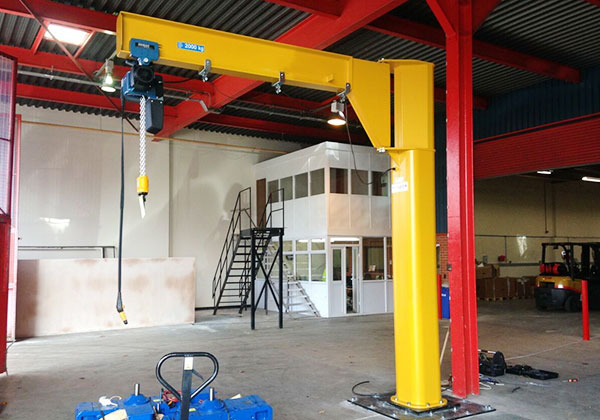
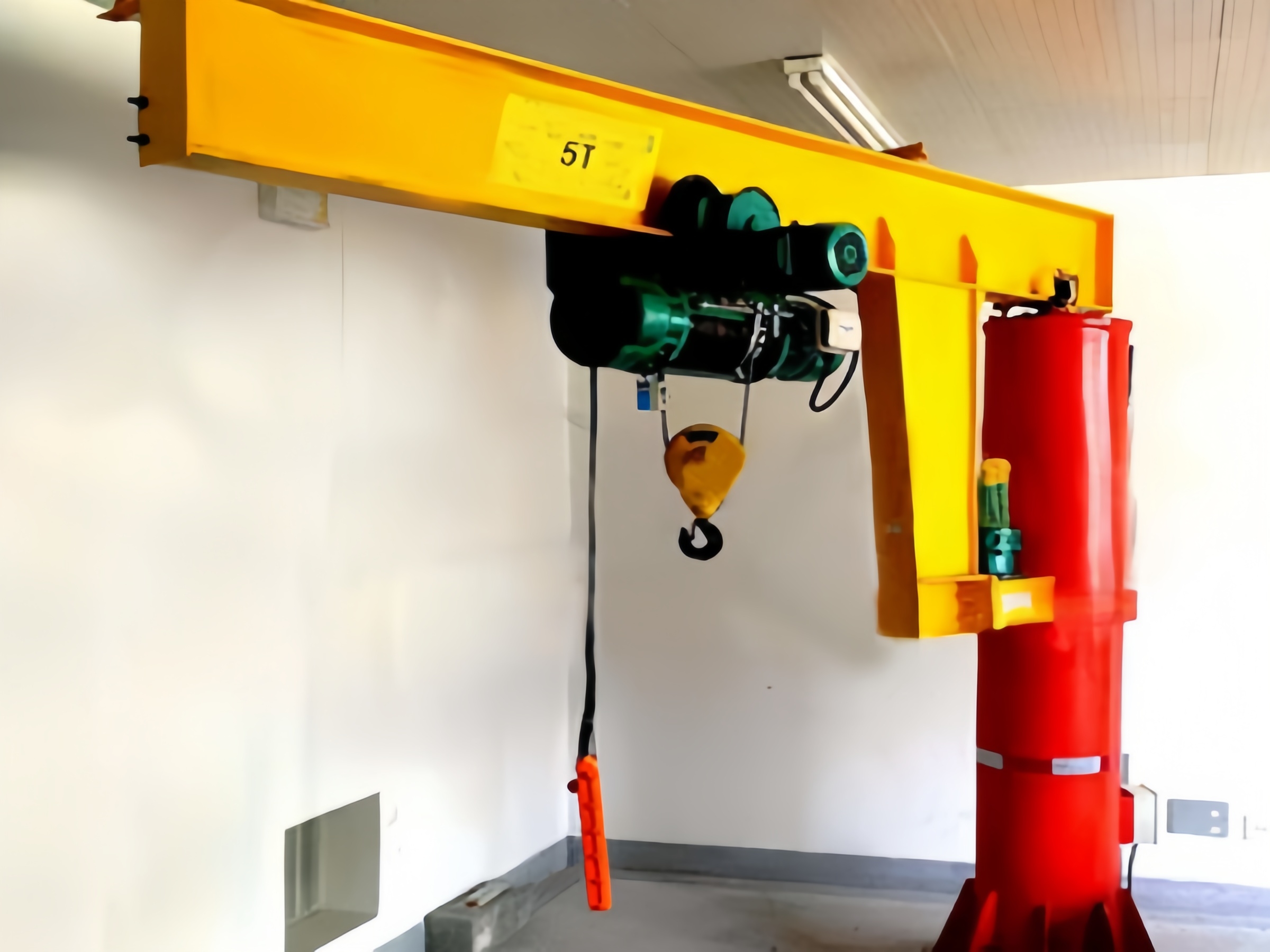
Jib cranes operate using a simple but efficient mechanism. The key component, called the jib, is mounted on a vertical column and rotates around a fixed pivot point. This rotation allows the crane to reach in all directions, providing flexibility for material handling in the confined spaces typical of wood burning facilities.
A hoist system is mounted on the end of the jib to lift and lower the load. This hoist system can handle specialized containers and boxes, making it ideal for transporting wood or lightweight wood ash. The operator controls the hoist via a pendant or remote control, which increases maneuverability and allows for precise placement of the load.
Additionally, jib cranes typically have adjustable height settings, allowing the operator to tailor the crane’s operation to the specific requirements of the workspace. Load limiters are another important design feature that ensures the crane operates within safe weight parameters to prevent accidents and equipment damage.
Overall, jib cranes are indispensable in wood burning facilities. Their simple operating mechanism not only simplifies the movement of materials, but also improves workplace safety by minimizing the risks of heavy lifting and maneuvering in tight environments. This combination of efficiency and safety makes jib cranes a vital asset for efficient operations.
Typical Ash Handling
Lightweight Wood Ash
Lightweight wood ash is a common byproduct generated in wood burning facilities, and understanding its characteristics and handling requirements is essential for effective management. One of the notable characteristics of wood ash is its low density, which determines its light weight. This characteristic, while advantageous in terms of handling, can create challenges during storage and transportation. The particle size of wood ash varies greatly, ranging from fine powder to coarse particles. This variation affects how the ash is stored and how it is handled.
Handling lightweight wood ash requires specialized equipment to address several issues. The material can be abrasive and can damage standard containers and equipment over time. Additionally, wood ash is often alkaline, which can cause corrosion if not contained with the appropriate materials. Therefore, boxes and containers designed specifically for collecting ash are essential. These containers are made of durable materials that resist wear and corrosion, ensuring that ash is safely contained while minimizing the risk of spills or leaks.
Another significant challenge with light wood ash is that it can easily become airborne if not handled properly. Fine particles can easily become airborne, causing respiratory hazards to workers and contamination to the facility. To mitigate this issue, implementing a vacuum system or using closed transport methods is essential. These systems help contain the ash and reduce dust generation during handling, promoting a cleaner, safer work environment.
Proper operator training is also essential for managing light wood ash. Educating employees on safe handling methods, proper use of equipment, and adherence to safety regulations ensures that operations run smoothly and efficiently. This training should cover best practices for loading, transporting, and handling wood ash, helping to keep the facility clean and safe.
Overall, understanding the characteristics and handling requirements of light wood ash is essential for the efficient operation of a wood burning facility. By adopting the right equipment and practices, facilities can effectively manage this byproduct, ensuring operational efficiency and a safe work environment.
Below-the-Hook Devices
Specialized Bins
Specialized bins are essential to the efficient handling of wood ash in combustion facilities. Designed for the unique properties of lightweight wood ash, these bins ensure safe storage and transportation while minimizing environmental impact. They are typically made of durable, corrosion-resistant materials that help maintain the integrity of the ash and prevent external contamination. This durability is critical, as wood ash is abrasive and can damage standard containers over time.
Specialized bin designs often incorporate features such as sealing mechanisms that significantly reduce dust emissions during transportation and storage. These seals are essential to prevent the release of fine particles into the air, which can be a respiratory hazard to workers. Additionally, many bins are equipped with user-friendly loading and unloading mechanisms, such as hinged tops or side openings, for quick and efficient operation.
Another benefit of specialized bins is that they are easy to stack and store, which is critical for facilities with limited space. By optimizing storage efficiency, these bins help create a more organized workspace, reduce clutter, and improve overall operational efficiency.
Containers
Containers play a vital role in efficient ash handling. Designed specifically for wood ash, these containers allow for safe transportation from the combustion unit to a storage area or disposal site. Their sturdy construction withstands the abrasive nature of wood ash, ensuring it remains intact and functioning properly during use. This sturdiness is essential to maintaining safety and operational efficiency, as damaged containers can lead to spills or contamination.
Ergonomic design enhances the usability of these containers, making them easier to handle and position during operation. Features such as handles, wheels, or lifting points enhance mobility, allowing operators to quickly and safely move ash. This is particularly important for maintaining a smooth workflow, as delays in ash handling can hamper operations throughout the facility.
Using the right containers not only minimizes the risk of spills and exposure, but also streamlines workflow. By allowing for quick and orderly removal of ash, these containers help maintain a clean work environment, which is essential for operating efficiency. Ultimately, specialized bins and containers are essential to effectively managing wood ash in combustion facilities, ensuring safety standards are met while promoting smooth operations.
Typical crane capacity range 1 to 5 tonnes
In wood burning facilities, cranes with a lifting capacity of 1 to 5 tonnes are particularly suitable for handling lightweight wood ash and related materials. This lifting capacity is perfectly matched to the volume and weight of the ash produced during the combustion process, making these cranes the best choice to ensure efficient operation.
This range of cranes is specifically designed to lift special boxes and containers filled with wood ash, which can weigh several tons when fully loaded. The low weight of wood ash allows large quantities to be handled without exceeding the operating limits of the crane, which helps to effectively manage the daily production of wood ash.
In addition, cranes in the 1 to 5 tonne capacity range are generally compact in design, making them ideal for the confined spaces common in wood burning facilities. Their high maneuverability allows operators to maneuver around various equipment and obstacles, thus simplifying operations and minimizing delays.
Safety is another important advantage of using cranes in this capacity range. They are generally easier to control and require less power to operate, which reduces the risk of mechanical failure or accidents during use. Many of these cranes can also be equipped with a variety of under-the-hook devices to enhance their functionality for specific handling tasks related to wood ash and other materials.
Overall, selecting a crane in the 1 to 5 ton capacity range contributes to efficient, safe and effective operations within a wood burning facility, ensuring that the challenges of ash management are met reliably and easily.
Special Crane Design Features
Compact Design for Limited Spaces
In wood burning facilities, compact crane design is essential to optimize available workspace. These facilities are often tightly packed and crammed with machinery and equipment, leaving little room for large cranes. Compact cranes are specifically designed to fit into these tight areas without compromising lifting capacity, allowing for efficient movement of materials such as wood ash and other ingredients.
Typically, compact crane designs include shorter booms and smaller footprints, making them easier to position near combustion units and storage areas. This proximity reduces the distance that cargo needs to be transported, which improves overall productivity. Additionally, compact designs facilitate more flexible arrangement of equipment, improving workflow and minimizing operational disruptions.
High Maneuverability
High maneuverability is another important feature of cranes used in wood burning facilities. The ability to easily maneuver around obstacles and navigate through tight spaces greatly improves operational efficiency. Cranes designed for high maneuverability often have features such as swivel arms and mobile bases, allowing operators to precisely position loads without extensive repositioning.
This enhanced maneuverability is particularly beneficial when handling ash containers and specialty bins. Operators can quickly move loads to unloading or storage locations, minimizing downtime and speeding up operations. Additionally, highly maneuverable cranes can reduce the risk of accidents because operators can safely maneuver around nearby equipment and personnel.
The compact design and high maneuverability of these cranes work together to create a safer, more efficient work environment at wood burning facilities. This combination ultimately supports better material handling and operational performance, ensuring that facilities can effectively manage wood ash and related materials.
Design Considerations
Workspace Layout
The layout of the workspace in a wood burning facility is an important design consideration that has a significant impact on operational efficiency and safety. A well-planned layout ensures that the crane can freely navigate throughout the facility, minimizing the risk of collisions with other equipment or personnel.
Key factors to consider when designing a workspace include the positioning of the burner, storage areas for wood and ash, and access for crane operations. Burners should be strategically placed to facilitate easy loading and unloading, thus promoting efficient ash removal and wood handling. Storage areas must be conveniently located for quick access, while also considering the flow of materials in and out of the facility.
Creating clear pathways for crane movement is essential. These pathways should be wide enough to accommodate the needs of crane operations and should be free of obstructions. Ensuring that workstations are strategically located can streamline material handling processes and make workflow smoother. For example, placing ash storage bins close to the burner can reduce the distance the crane must travel, thereby increasing efficiency.
Additionally, a well-organized workspace can improve safety. By reducing congestion and creating designated areas for specific tasks, facilities can reduce the risk of accidents. Clear pathways not only facilitate daily operations, but also allow for quick access in the event of an emergency, ensuring personnel can quickly evacuate or respond to an incident.
In summary, a well-designed workspace layout in a wood burning facility is essential to optimizing crane operations, improving safety, and increasing overall efficiency. By considering the positioning of key elements and creating clear paths, facilities can create an environment that supports efficient material handling while minimizing risk.
Load Weight Distribution
Proper load weight distribution is critical to maintaining safe and efficient crane operations within a wood burning facility. Unevenly distributed loads can create instability, greatly increasing the risk of tipping or accidents during lifting. To reduce these risks, it is critical to accurately calculate the center of gravity of the load, especially when using specialized bins and containers filled with wood ash.
Training operators to effectively assess and manage load distribution can greatly reduce the likelihood of accidents. Operators should be trained to recognize how the weight of a load is distributed and the importance of maintaining balance during transport. Additionally, incorporating features such as load limiters and monitoring systems into crane design can ensure that the crane is operating within safe parameters and prevent overload conditions.
The use of tools such as load cells or indicators can provide real-time feedback on load weight and distribution, allowing operators to make informed decisions before lifting. This proactive approach helps improve safety while increasing operational efficiency. By prioritizing proper load weight distribution, wood burning facilities can achieve more reliable and efficient crane use, ultimately contributing to a safer working environment and optimized material handling processes.
Buying Tips for Electric Jib Cranes for Ash Handling
Evaluating Installation Requirements
When selecting a crane system for a wood burning facility, it is critical to thoroughly evaluate the installation requirements. This evaluation begins with a review of the facility’s structural integrity to ensure it can support the crane’s weight and operating requirements. Key considerations include ceiling height, weight capacity, and available maneuvering space.
Evaluating ceiling height is particularly important because it determines the type of crane that can be installed and the maximum lift height that can be achieved. The weight capacity of the floor and supporting structures must also be evaluated to ensure they can handle the crane’s operating weight, especially when lifting heavy objects such as boxes filled with wood ash.
In addition, it is critical to plan for necessary modifications to the facility’s layout. This may involve adjusting equipment locations, ensuring a clear path for crane movement, or reinforcing structures to accommodate the crane system. Proper evaluation at this stage can avoid costly adjustments later and facilitate a seamless installation process.
By taking the time to thoroughly evaluate these installation requirements, facilities can ensure that the selected crane system will operate efficiently and safely in the unique environment of a wood burning operation, ultimately contributing to long-term operational success.
Consider ease of use and training
Ease of use and operator training are key elements to ensuring smooth operation and safety at a wood burning facility. When selecting a crane system, it is important to choose a model with intuitive controls and features that improve material handling efficiency. A user-friendly interface can significantly reduce the learning curve for new operators, allowing them to operate the equipment with confidence and precision.
Thorough operator training is essential to creating a safe work environment. Training programs should cover a variety of topics, including load assessment, safe lifting practices, and emergency procedures. Operators should be taught how to accurately determine load weight and center of gravity to ensure proper load distribution. Additionally, training should include hands-on experience with the crane, allowing operators to become familiar with its controls and functions in real-world scenarios.
Emphasizing ease of use and comprehensive training not only improves operational efficiency but also reduces the risk of accidents. Well-trained operators are better able to identify potential hazards and respond appropriately in emergency situations. By prioritizing these aspects, facilities can foster a culture of safety and reliability, ultimately increasing productivity and creating a safer workplace.
Conclusion
Choosing the right crane system for a wood burning facility is essential to optimizing operations and ensuring safety. Due to the unique demands of handling lightweight wood ash and the need for efficient material transportation, selecting the right crane, such as a jib crane with the appropriate capacity and design considerations, can greatly improve productivity. Additionally, evaluating installation requirements and prioritizing operator training can help achieve a seamless workflow. By focusing on these elements, facilities can ensure that resources are managed efficiently, downtime is reduced, and a safe work environment is maintained.