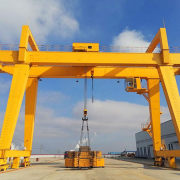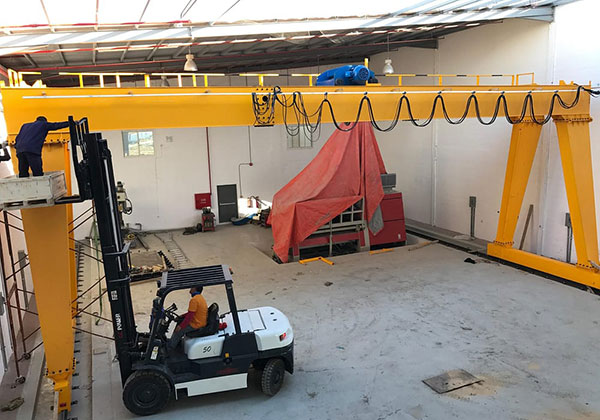

Customized gantry cranes for different ash handling requirements
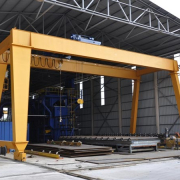
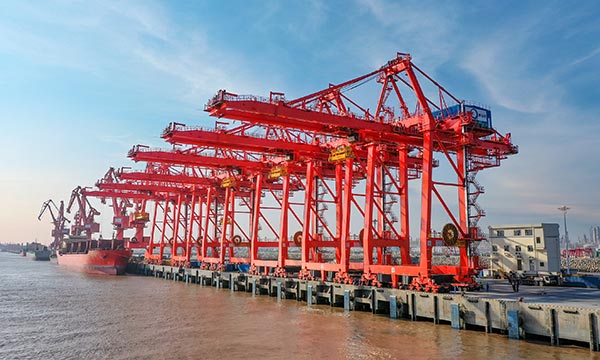
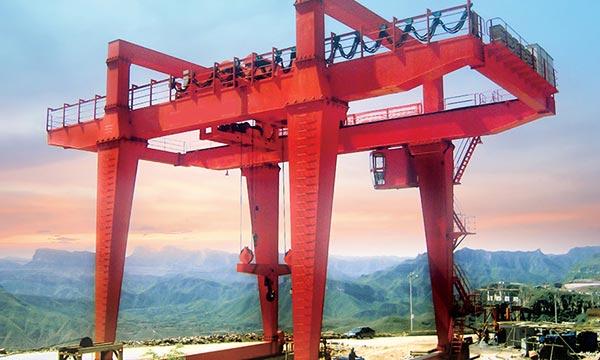
Customized gantry cranes improve ash handling efficiency, accommodating various types of ash through tailored designs to ensure safety, precision, and operational flexibility.
Ash handling is a critical process for many industries, especially in the power generation and waste management sectors. When coal is burned, ash is generated that needs to be safely transported and disposed of. Efficiently handling this ash prevents potential hazards, protects the environment, and improves overall operational efficiency.
This is where custom gantry cranes come into play. Unlike standard cranes, these custom solutions can meet the specific needs of your operation. They can lift heavy ash loads, navigate tight spaces, and withstand harsh conditions to ensure your ash handling process runs smoothly. Trust me, investing in the right equipment can save you time and money in the long run.
In this article, we will dive into the various aspects of custom gantry cranes designed to meet various ash handling requirements. Whether you are new to the field or looking to optimize an existing process, you will find valuable insights here. We will share practical tips, key design considerations, and even real-world examples to help you make an informed decision.
Ash Handling Requirements
Types of Ash Generated
When it comes to ash handling, it’s important to recognize the different types of ash generated during the combustion process. Fly ash is a lightweight, fine powder that is carried away with the flue gases during the combustion process. Its fine texture makes it difficult to handle, often requiring specialized equipment to prevent dust and ensure safe handling.
Bottom ash, on the other hand, is much heavier and collects at the bottom of the combustion chamber. This coarser material tends to be easier to handle, but requires robust systems to effectively manage its weight and volume.
Understanding these differences is key to effective management. Each type of ash not only has unique physical properties, but also requires unique handling methods and equipment tailored to its characteristics. By identifying these differences, you can develop strategies to optimize the efficiency and safety of your ash handling operations.
Challenges of Ash Handling
Handling ash is not without its challenges. One of the main issues is the abrasive nature of ash, which wears down equipment over time. This wear often results in expensive repairs or even replacements, which can disrupt operations and impact your bottom line.
Another significant challenge is controlling dust. Dust can easily become windblown, posing safety hazards to workers and environmental concerns. Controlling dust is essential not only for complying with regulations, but also for maintaining a safe and healthy workplace.
To address these issues, it’s critical to implement solutions that efficiently transport ash while also controlling dust and minimizing environmental impact. A reliable system, like a custom gantry crane with integrated dust control capabilities, can save you a lot of headaches. Investing in the right equipment and strategies upfront can lead to smoother operations and long-term savings.
Specific Needs for Different Applications
Different industries have unique needs when it comes to ash handling. For example, power plants often require robust systems that can effectively manage large volumes of bottom ash. These facilities often require cranes that can move quickly to keep up with the large volumes of ash generated during the combustion process.
Cement manufacturers, on the other hand, may be more focused on more precisely handling fly ash, a key ingredient in cement production. In this case, the handling system must be able to accurately measure and dispense smaller quantities to ensure consistent quality in the end product.
Understanding these specific needs is essential to choosing the right gantry crane design for your operation. Whether you need heavy lifting capabilities or precise dispensing capabilities, the key is to find a product that perfectly matches your requirements! Customizing your equipment to meet these needs will increase efficiency and improve overall productivity.
Key Design Considerations for Custom Gantry Cranes
Load Capacity Requirements
The first thing to consider when designing a custom gantry crane is load capacity. You need to know the weight of the ash material you will be handling. Fly ash may be lightweight, but bottom ash can weigh a lot. Make sure to calculate the maximum load you will encounter, as this will guide the specification of your crane.
Next, consider dynamic loads and safety factors. Ash will move and settle, which means your crane will face varying loads during operation. Consider some safety margins – it’s better to be safe than sorry! A good understanding of these factors will ensure your crane can easily handle the workload.
Reach and Height Specifications
Next is reach and height. Assess your workspace limitations – are you working in a tight space, or do you have plenty of room? This will determine the design of your crane. If space is limited, a low-profile crane may be necessary.
Then, consider lifting height requirements. Some operations require cranes to reach high storage silos or other elevated locations. Make sure your crane can easily handle these heights to avoid any awkward maneuvers that could result in accidents.
Environmental and Material Considerations
Finally, don’t overlook the importance of environmental and material considerations in ash handling. This process often takes place in harsh conditions, with frequent exposure to moisture and chemicals. Therefore, it is critical to ensure that the crane has the proper corrosion resistance. Finding materials and coatings that can withstand these harsh environments; for example, galvanized steel or coatings specifically designed to resist corrosion can significantly extend the life of the equipment.
Also, consider the temperature and humidity factors of your facility. Ash handling can occur in extremely fluctuating environments, whether it is high humidity or rapid temperature changes. These conditions can negatively affect the performance and life of the crane. Selecting strong materials that can withstand these extremes, such as high-strength steel or corrosion-resistant alloys, is essential to maintaining operational efficiency.
By addressing these key design considerations, you will not only increase the durability of your equipment, but also lay the foundation for the success of your ash handling operation. Investing in a crane that can withstand environmental challenges will minimize maintenance costs and reduce the potential for unplanned downtime, ensuring smooth and efficient operations.
Features of Gantry Cranes for Ash Handling
Mobility Options
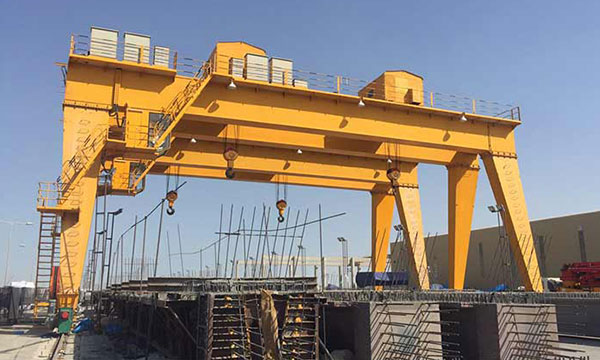
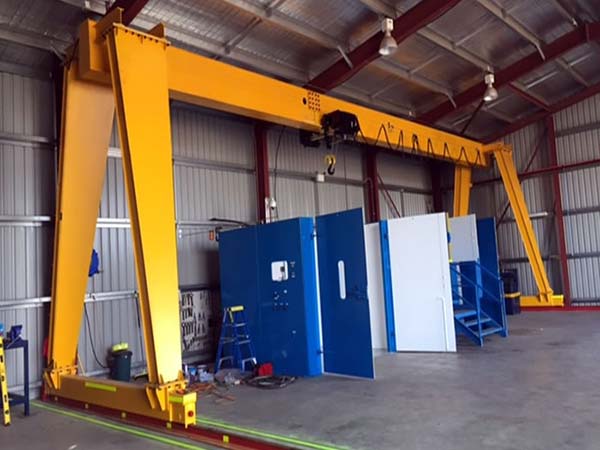
Mobility is a key feature of any custom gantry crane designed specifically for ash handling. You need to choose between fixed gantry cranes and mobile gantry cranes. Fixed cranes offer stability and strength, making them ideal for operations with specific, defined paths. However, if your facility requires flexibility, such as moving between different workstations, then a mobile crane is the way to go.
Also consider the track system and ground conditions. A well-designed track system will allow for smooth movement, but it needs to match the layout of your facility and the ground conditions. For example, uneven surfaces may require special considerations or adjustments in the design of the crane to prevent any operational malfunctions.
Safety Features
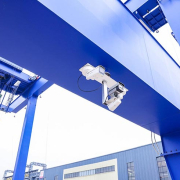
Safety is always a top priority. Custom gantry cranes should be equipped with emergency stops and alarms to ensure a quick response in the event of unexpected problems. These features not only protect your equipment, but also protect workers on site.
Additionally, it is crucial to implement a load monitoring system. These systems provide real-time data on the weight of the load, helping to prevent overloading situations that could lead to accidents or equipment failures. It’s all about creating a safe working environment for everyone involved.
Automation and Control Systems
In today’s technology-driven world, automation can significantly improve the performance of your crane. Look for remote control features that allow operators to manage the crane from a safe distance. This not only improves safety, but also increases efficiency by allowing for quick adjustments during operation.
Finally, consider integration with existing systems. Your custom gantry crane should fit easily into your current workflow. Whether syncing with an inventory management system or existing equipment, seamless integration ensures your operations run smoothly without any unnecessary interruptions. By focusing on these features, you’ll ensure your gantry crane is not only effective, but also safe and user-friendly!
Case Studies
Successful Implementations of Custom Gantry Cranes
Let’s dive into some real-world examples of how custom gantry cranes have transformed ash handling operations. A power plant faced the challenge of large volumes of bottom ash and opted for a custom mobile gantry crane. This design allowed them to move efficiently between various collection points, significantly reducing ash handling time. As a result, they reported a 30% increase in operational efficiency, demonstrating how tailored solutions can deliver impressive benefits.
Another example comes from a cement manufacturer that integrated a fixed gantry crane designed specifically for fly ash handling. The crane features advanced load monitoring and automation systems that allow operators to manage workflows more efficiently. The plant has seen a decrease in maintenance costs due to the crane’s rugged design, proving that a focus on quality can deliver long-term benefits.
Lessons Learned and Best Practices
There are several key lessons learned from these implementations. First, always involve operators in the design process. Their insights can reveal real needs and challenges that engineers may overlook. For example, the power plant initially faced issues with operator visibility, but incorporating their feedback, the design was adjusted to improve safety and availability.
Second, flexibility is critical. Ash handling requirements can change, so having a crane that can adapt to changes (whether through mobility options or expandable capabilities) can make a big difference. Finally, regular training on safety features and operating procedures is essential. This ensures that all team members know how to use the equipment safely and effectively.
By studying these successful implementations, you can gain valuable insights into how to design and operate custom gantry cranes for ash handling. These case studies highlight the importance of tailored solutions and proactive management to achieve operational excellence!
Conclusion
In summary, custom gantry cranes play a vital role in efficiently handling ash in a variety of industrial applications. They are custom designed not only to meet specific load requirements, but also to handle unique environmental challenges. By investing in the right crane, companies can increase productivity, ensure safety and minimize operating costs, ultimately making the workflow of ash management smoother.
Now is the time for industry stakeholders to take action. Whether you are an operator, facility manager or decision-maker, it is critical to evaluate your current ash handling process. Consider investing in a custom gantry crane that meets your specific needs. Working with experts ensures you make informed decisions that improve the safety, efficiency and sustainability of your operations. Let’s work together to make ash handling better!