
1 Ton Overhead Cranes for Different Facility Types and Applications
Transform operations in manufacturing, warehousing, and a variety of applications to achieve maximum productivity with 1 ton overhead cranes for efficiency and safety.
1 ton overhead cranes are a game changer when it comes to improving operational efficiency, safety, and productivity. Versatile and adaptable, these cranes offer reliable solutions for a variety of industries. Let’s explore how 1 ton overhead cranes can enhance your facility operations across different sectors, and the key features you should consider when selecting a crane.
1 Ton Overhead Crane
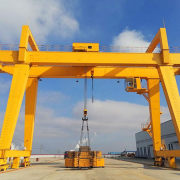
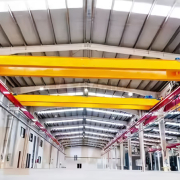
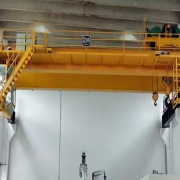
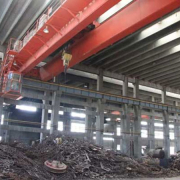
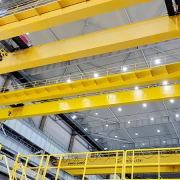
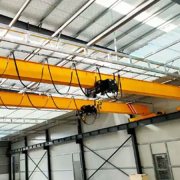
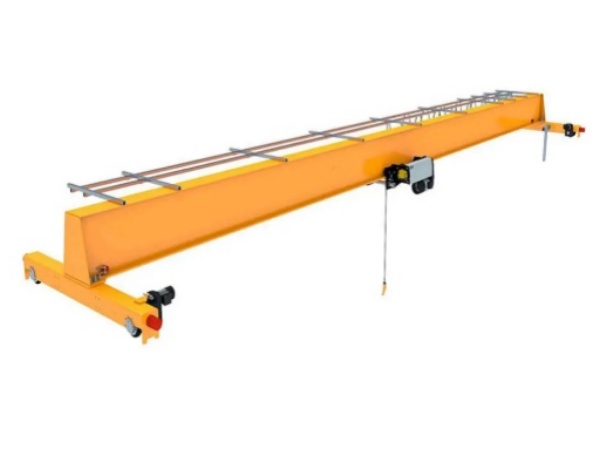
Designed to lift and move loads up to 1 ton, 1 ton overhead cranes are ideal for facilities that require precise handling of medium-weight items. Compact yet powerful, these cranes are an efficient way to move materials without taking up too much space. Their main components include the crane, trolley, bridge, and end truck.
Why Choose a 1 Ton Overhead Crane?
Efficient Material Handling: 1 ton cranes can quickly move parts and materials around your workspace, improving workflow and reducing physical labor.
Compact Design: These cranes are designed for small facilities with limited ceiling height, so they fit into tight spaces.
Cost-effective: For light to medium-duty tasks, 1-ton cranes offer a cost-effective solution without the need for larger, more expensive equipment.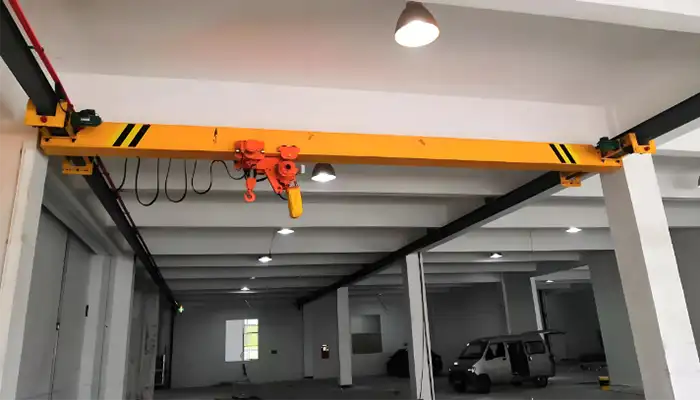
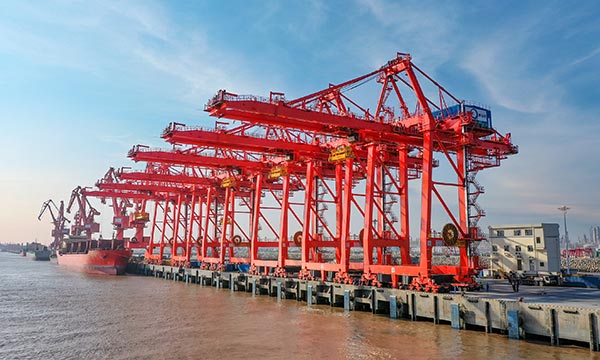
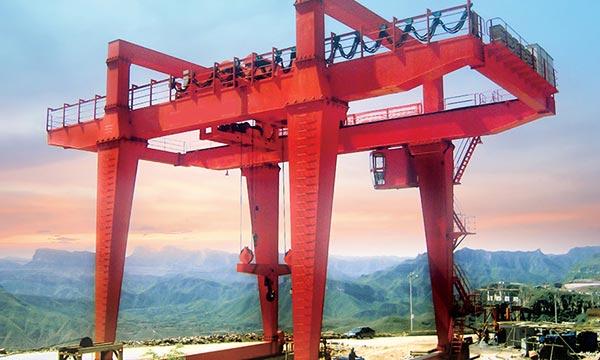
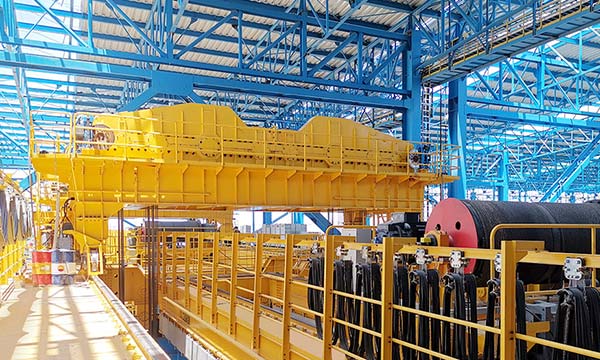
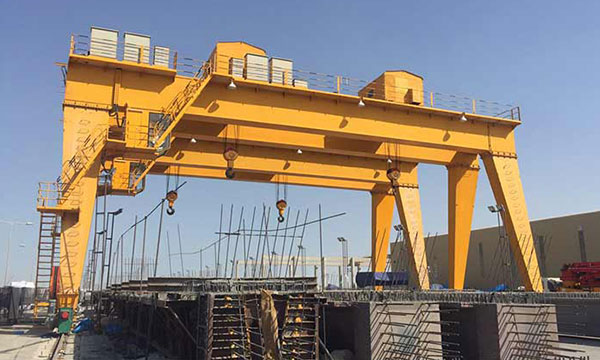
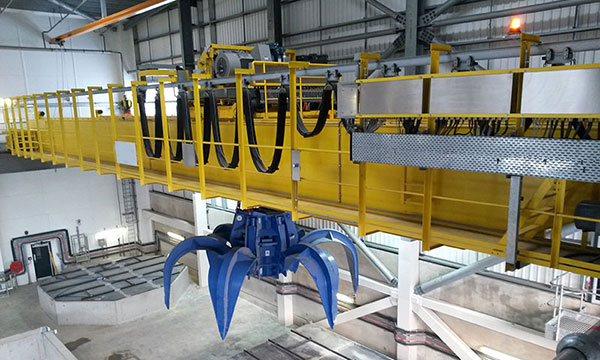
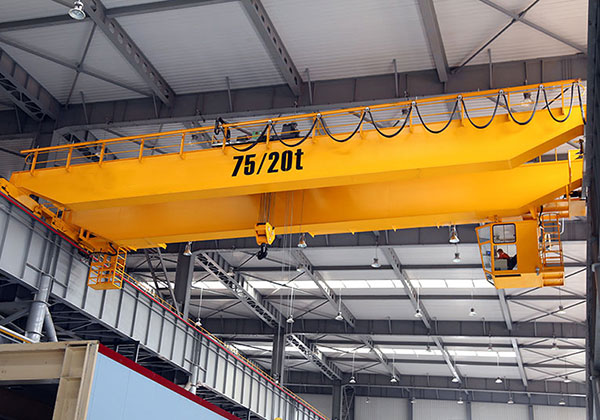
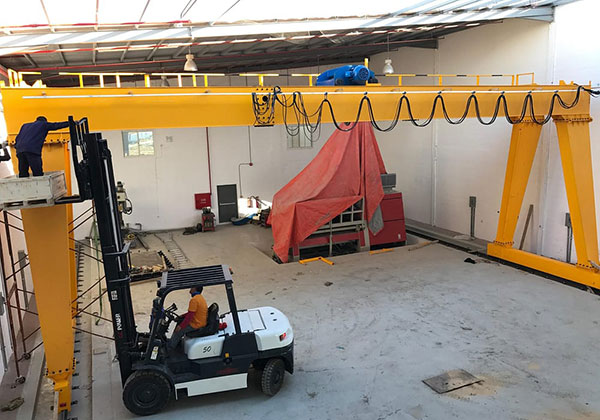
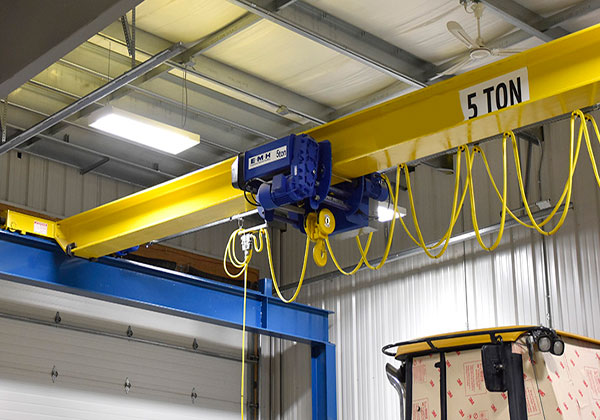
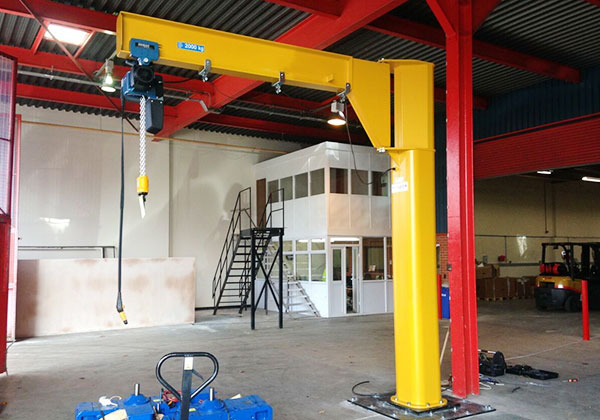
1 ton overhead crane types for various industrial sectors
What facilities could benefit from a 1-ton overhead crane?
1 ton overhead cranes are versatile and suitable for many different types of facilities. These cranes are particularly useful in environments where space is limited, efficiency is critical, and heavy lifting is required. Here are some examples of facilities where a 1 ton overhead crane can make a big difference:
manufacturing plant
Application: Moving parts and components along a production line or between workstations.
Benefits: In busy manufacturing environments where speed and efficiency are critical, 1-ton overhead cranes can significantly improve operations by transporting parts quickly and safely. This helps prevent bottlenecks, reduce manual labor, and increase overall productivity. In addition, cranes move parts efficiently along the production line, minimizing downtime, ensuring smooth production processes and reducing turnaround times.
In manufacturing, the need to handle materials quickly is ever-present, and a 1-ton crane can help streamline this process, saving time and reducing physical stress on workers. By integrating such cranes, manufacturers can maintain high productivity without compromising safety or accuracy.
Warehouses and distribution centers
Application: Lifting and repositioning pallets, containers and other materials for storage or shipping.
Pros: Space in warehouses and distribution centers can be tight, and managing inventory effectively is crucial. 1-ton overhead cranes are ideal for working in tight spaces where a traditional forklift or manual labor may have difficulty completing the job. It can easily lift and move heavy objects, such as pallets and containers, between storage racks or between different areas for shipping.
By integrating 1-ton cranes into workflows, warehouses can streamline inventory management and increase storage capacity and retrieval efficiency. Cranes reduce physical stress on workers by performing heavy lifting tasks, which can prevent injuries and improve overall safety. Additionally, the crane’s precision ensures materials are handled with care, reducing the risk of damage. This enables more efficient, safer and more cost-effective operations, maximizing storage space and shortening the turnaround time of goods.
Workshop and maintenance facilities
Application: Handling tools, parts or heavy equipment during maintenance or repairs.
Benefits: In workshops and repair facilities, moving heavy tools, parts and machinery quickly and safely is critical to minimizing downtime and keeping operations running smoothly. 1 ton overhead cranes play a key role in moving these items efficiently during maintenance or repair tasks.
Cranes can quickly transport large or heavy equipment, reducing the time spent manually lifting and repositioning machinery. This not only speeds up maintenance tasks but also reduces the risk of injuries due to physical strain. With a 1-ton overhead crane, workers can lift heavy objects with ease, improving overall safety and efficiency on the shop floor. The crane’s precision also helps ensure parts and tools are moved with care, minimizing the risk of damage. This speeds repairs, reduces operational disruptions, and increases worker productivity and safety.
Laboratory and testing facilities
Application: Move precision instruments and equipment without causing damage.
Advantages: In laboratories and testing facilities, handling sensitive equipment requires a high degree of precision and caution. The 1-ton bridge crane provides the precision needed to move precision instruments, ensuring they are not damaged during transportation.
Precise control of the crane helps prevent accidents such as dropping or damaging expensive or fragile equipment, which is critical in high-risk environments such as scientific research or quality testing. By using a 1-ton crane, workers can safely lift and relocate precision instruments, minimizing the risk of downtime due to equipment damage. Not only does this protect valuable assets, it also improves workflow efficiency through smooth, careful handling of items that require special attention. In environments where accuracy and safety are critical, the precision provided by 1-ton overhead cranes becomes a valuable asset in laboratory and test operations.
Main applications of 1 ton bridge crane
1 ton capacity overhead cranes have become an essential tool in various industries due to their versatility and ability to handle a variety of lifting tasks with ease. These cranes simplify operations, increase productivity and improve safety. Here are some of the main applications for 1 ton bridge cranes:
Assembly line operations
Lifting Components: Transports parts, tools, or subassemblies between sites.
Advantages: On assembly lines, especially in industries such as automotive or electronics manufacturing, 1-ton cranes play a vital role in ensuring the smooth flow of materials and components from one workstation to the next. By handling the lifting and transportation of parts, cranes take physical stress off workers, allowing them to focus on more specialized tasks. This efficiency increases productivity and minimizes downtime due to bottlenecks or manual operations. 1-ton cranes also help prevent workplace injuries because workers no longer have to lift heavy objects manually, creating a safer environment on the assembly line.
This application is particularly valuable in high-volume manufacturing environments where speed and accuracy are critical and consistency of moving parts is key to maintaining production schedules.
Material handling in small parts manufacturing
Moving raw materials: Lifting and moving materials such as sheet metal, plastic molds or small parts.
Pros: In small parts manufacturing, where raw materials such as sheet metal, plastic molds, or complex components are moved frequently, a 1-ton overhead crane is very useful. It helps streamline material handling processes by easily lifting and transporting materials from storage areas to production lines or workstations. This reduces the need for manual operations, which can be time-consuming and laborious.
The speed and precision of the 1 ton crane ensures materials are delivered exactly where they need to be, increasing workflow efficiency and reducing the risk of production delays. In addition, by reducing physical stress on workers, cranes help improve safety and minimize the likelihood of injury from lifting heavy loads. Using a 1 ton crane allows for smoother and more efficient operations, ensuring that the manufacturing process runs at optimal speed and with greater precision.
Storage and retrieval in warehousing
Moving Cargo: Lift and position heavy boxes, pallets, or bulk items for storage.
Pros: Overhead cranes are ideal for storing and retrieving goods, especially when dealing with high shelves or crowded aisles where traditional forklifts may not be able to function. In warehouses, where space is often at a premium, efficient use of vertical space is crucial. The 1 ton bridge crane can easily lift heavy items into overhead storage areas, maximizing storage capacity and ensuring faster retrieval of goods. This also reduces the physical burden on workers who would otherwise have to manually handle bulky or heavy items, making the warehouse more efficient and safer.
Maintenance and repair tasks
Lifting Equipment: Moving machines and parts during repairs or maintenance.
Pros: 1 ton bridge cranes are very useful for moving heavy machinery, parts or equipment during maintenance or repair tasks. This application reduces the amount of manual work required to lift and move large or awkwardly shaped parts, which can be challenging and time-consuming. By minimizing manual lifting, cranes help prevent worker injuries and fatigue while speeding repairs. Precise control of the crane allows valuable equipment to be safely moved, reducing the risk of damage during maintenance and ensuring the machine is repaired and back in service as quickly as possible.
Construction and renovation works
Lifting Materials: Moving construction materials such as bags of cement, tools or building components.
Pros: Whether on a small construction or renovation project, a 1-ton overhead crane is a reliable and efficient way to move heavy materials like cement bags, steel beams or construction tools. This reduces the need for labor, increases overall efficiency and helps meet project timelines. Cranes can place materials with precision, even in hard-to-reach areas such as upstairs or in tight spaces. 1-ton cranes play a vital role in improving worker safety and productivity on construction sites by reducing physical demands on workers and providing safer material handling.
What should you pay attention to when using a 1 ton bridge crane?
Choosing the right 1 ton overhead crane requires attention to various factors that affect its performance, safety and service life. Here are the key features to consider when purchasing a crane for your facility:
Design and build quality
Durability: Choose a crane made from high-quality steel or other durable materials that can handle heavy-duty tasks without compromising safety or performance.
Customization options: Many manufacturers offer customizable crane designs based on your unique operational needs, such as different track systems, hoist types, or bridge spans.
security features
Overload Protection: Make sure the crane has built-in overload protection to prevent lifting weight above its rated capacity.
Emergency Stop Mechanism: The crane should be equipped with an easily accessible emergency stop button or switch to allow for a quick stop in the event of a malfunction.
Limit switch: Provides extra safety by ensuring the crane does not exceed its lifting limit.
Easy to operate
Manual vs. Electric Operation: Choose between a manual or electric crane depending on your facility’s needs. Electric cranes are generally easier to operate and more efficient for frequent lifting tasks.
Remote control options: Many modern 1-ton cranes come with remote control capabilities, allowing for smoother operation, especially in larger spaces.
Maintenance and service life
Regular maintenance: Look for a crane that is easy to inspect and maintain. Regular maintenance, such as lubrication and replacement parts, will extend the life of your crane and ensure consistent performance.
Corrosion Resistance: For facilities exposed to moisture or harsh environments, choosing a crane with an anti-corrosion coating will prevent rust and extend its service life.
Choosing the Right 1-ton Overhead Crane for Your Facility
When selecting a 1-ton overhead crane, it’s important to match the crane’s capabilities to the specific needs of your facility. Consider the following factors to make the right choice:
Evaluate Your Facility Space
Ceiling Height and Space Constraints: Make sure your facility has adequate overhead clearance and room for the crane to move.
Track System: Determine if you need a fixed track system or a mobile track system based on your facility’s layout.
Load Handling Requirements
Frequency of Use: If your crane will need frequent use, make sure it can operate continuously.
Type of Load: Consider the types of materials you’ll be lifting (e.g., fragile items, heavy equipment, or pallets) and make sure the crane can handle them efficiently.
Budget and Cost Considerations
Upfront Costs vs. Long-Term Savings: While the initial cost of a crane is important, also consider the long-term savings in efficiency, reduced labor costs, and reduced downtime.
Customization Costs: If your operation requires a custom crane, be sure to factor these additional costs into your budget.
Installation and Operation Best Practices
Once you’ve selected the perfect 1-ton overhead crane for your facility, proper installation and operation are critical to maximizing its performance. Follow these best practices to ensure smooth operation:
Installation Process
Professional Installation: Hire an experienced professional to ensure the crane is installed correctly and safely.
Facility Preparation: Make sure the structure can support the crane and check that overhead clearance is clear for safe operation.
Operation Guidelines
Employee Training: Train your staff on proper crane operation and safety measures.
Regular Inspections: Regularly inspect the crane’s components (e.g., crane, trolley, and tracks) to ensure everything is running smoothly.
Conclusion: Maximize Your Investment in a 1-ton Overhead Crane
Investing in a 1-ton overhead crane is an excellent way to improve the efficiency, safety, and productivity of your plant operations. Whether you’re in manufacturing, warehousing, or construction, these cranes offer reliable solutions for handling materials with precision and ease. By carefully selecting the right crane and following best practices for installation and maintenance, you can reap long-term benefits from your investment.
Ready to elevate your operations? Contact a trusted crane supplier today to discuss your options and get the right solution for your facility’s needs.