
Environmental considerations for 10-ton gantry cranes in ash handling operations
This guide explores environmentally friendly practices and techniques for ash handling using 10-ton gantry cranes, emphasizing sustainability and safety.
Ash handling operations are critical across industries, particularly in the power generation and waste management sectors. These processes involve the collection, transportation, and disposal of ash generated by the combustion of coal, biomass, or other materials. Efficient management of ash is essential to prevent environmental pollution and ensure that facilities operate smoothly and comply with regulations.
Environmental considerations play a vital role in industrial processes such as ash handling.
As industries come under increasing scrutiny over their ecological impacts, integrating sustainable practices is not only beneficial but necessary. Reducing emissions, conserving energy, and minimizing waste helps preserve natural resources and creates a healthier work environment. Companies that prioritize these factors often find that they can improve operational efficiency while enhancing their reputation.
This guide is designed to provide a comprehensive overview of environmentally friendly practices and techniques for 10-ton gantry cranes specifically used in ash handling operations. It will explore the benefits of adopting sustainable technologies, outline practical strategies for minimizing environmental impacts, and emphasize the importance of training and compliance with regulations. By following the insights in this guide, operators can improve their operations while contributing to a more sustainable future.
Gantry Cranes in Ash Handling
10-ton Gantry Crane Definition and Purpose
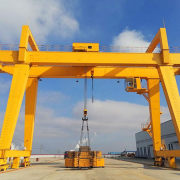
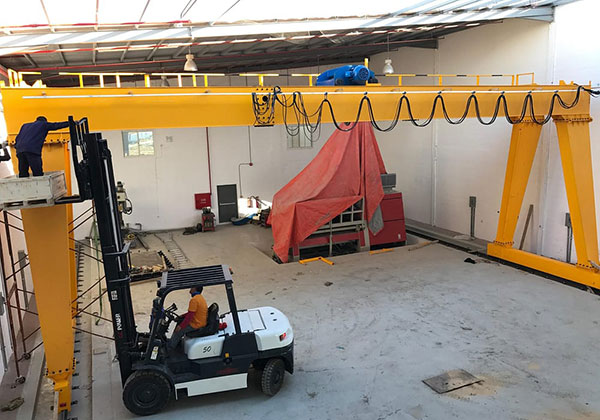
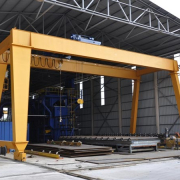
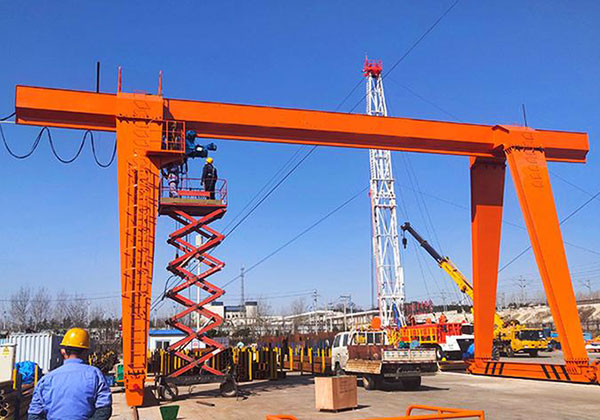
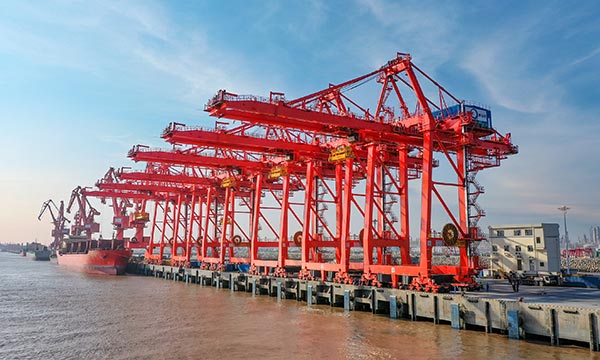
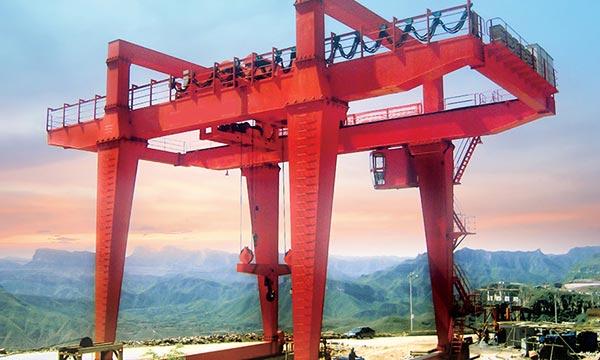
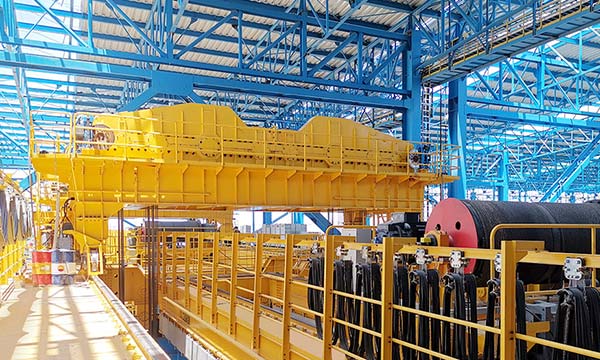
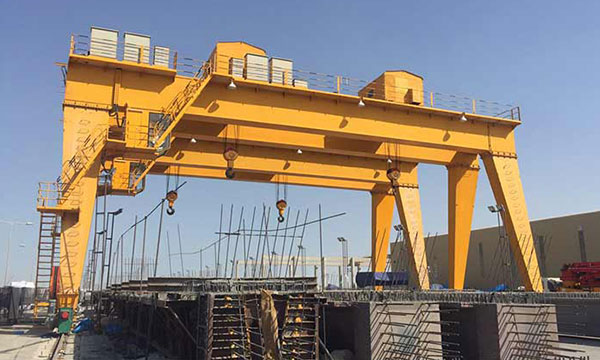
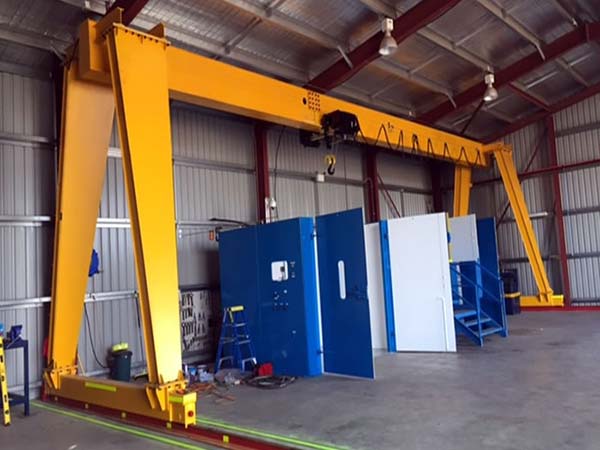
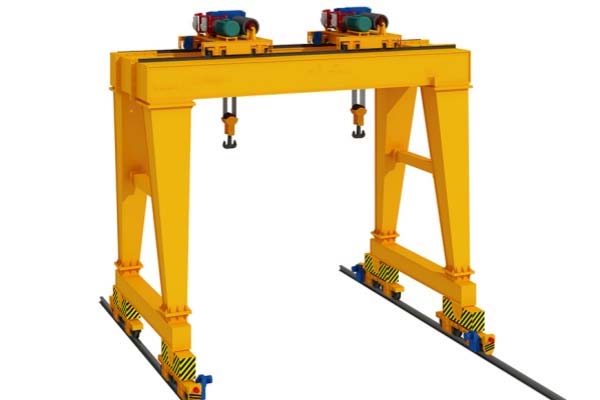
A 10-ton gantry crane is a versatile lifting system used to move heavy loads within a designated area, typically in an industrial setting. These cranes feature a horizontal beam supported by vertical legs that runs on fixed tracks. The 10-ton capacity represents the maximum weight these cranes can safely lift and transport, making them suitable for handling large volumes of ash and other materials.
Main Purpose An important function of a 10-ton gantry crane in ash handling operations is to facilitate the efficient transfer of ash from one location to another. This includes loading ash into containers for handling, moving it to a processing area, or delivering it to a recycling facility. They are designed for maneuverability and precision, allowing operators to safely and effectively manage heavy loads.
Role in Ash Handling Operations
In ash handling operations, 10-ton gantry cranes play a vital role in maintaining workflow efficiency and safety. They are often used in the following ways:
Loading and unloading: Gantry cranes can quickly load ash into trucks or containers, streamlining the transportation process. This is especially important for power plants that require timely disposal.
Material transportation: These cranes facilitate the movement of ash within the processing facility, ensuring that the material is transported to the right location in a timely manner.
Maintenance and cleanup: Gantry cranes help remove ash buildup from storage areas or processing equipment, helping to improve overall facility cleanliness and operational efficiency.
Overview of Ash Handling Operational Challenges
While 10-ton gantry cranes are an effective tool for handling ash, several operational challenges must be addressed:
Dust and Air Quality: Handling ash creates dust, which can pose health risks to workers and cause environmental concerns. Implementing dust control measures is critical to maintaining air quality.
Weight and Material Variations: Ash can vary in weight and consistency, which can affect how it is handled. Operators must be trained to adjust lifting techniques accordingly to prevent accidents or equipment damage.
Maintenance Requirements: Regular maintenance is essential to ensure that the crane operates efficiently. Neglecting maintenance can result in unexpected breakdowns that can affect productivity.
Safety Risks: The heavy loads and moving parts of a gantry crane must strictly follow safety procedures. Operators must remain vigilant to avoid accidents that could injure personnel or damage equipment.
Understanding these aspects of gantry cranes in ash handling operations is essential to optimizing their use and ensuring that environmental and safety standards are met.
Environmental Technologies in Crane Operations
Advantages of Electric vs. Diesel
Electric and hybrid drive systems represent a major shift in crane technology, offering several advantages over traditional diesel-powered models. Electric systems are generally more efficient, converting a higher percentage of energy into usable electricity, which reduces long-term operating costs. In addition, electric cranes have fewer moving parts than diesel engines, so maintenance requirements are lower, resulting in less downtime and greater reliability.
Impact on emissions and noise levels
The environmental benefits of electric and hybrid cranes are significant. These systems produce virtually no emissions during operation, helping to improve air quality and reduce greenhouse gas emissions. In contrast, diesel cranes emit harmful pollutants that can have a negative impact on worker health and the surrounding environment. In addition, electric cranes are quieter in operation, minimizing noise pollution in industrial environments and creating a safer and more pleasant working atmosphere.
Energy-efficient components
Using energy-efficient motors and drives
Incorporating energy-efficient motors and drives in gantry cranes improves their overall sustainability. These motors are designed to consume less electricity while providing the same power output, reducing energy costs and environmental impact. By optimizing energy consumption, operators can significantly reduce operating expenses and contribute to wider sustainability goals.
LED lighting systems for cranes
Another key component of environmentally friendly crane operations is the installation of LED lighting systems. Unlike traditional lighting, LEDs consume significantly less energy and last longer, which means less frequent replacement. This not only reduces energy costs, but also reduces the waste associated with discarded bulbs. Additionally, the improved visibility of LED lights improves safety for operators and others working near the crane, further emphasizing the importance of environmentally friendly technology in industrial settings.
Sustainable Practices for Crane Operations
Regular Maintenance and Inspections
The Importance of Maintenance for Efficiency and Longevity
Regular maintenance and inspections are critical to ensuring the efficiency and longevity of 10-ton gantry cranes in ash handling operations. Proper care prevents mechanical failures, which can lead to costly downtime and safety hazards. Well-maintained cranes operate more efficiently, consume less energy and minimize emissions. Additionally, timely inspections help detect potential problems before they escalate, saving resources and extending the life of the equipment.
Best Practices for Preventive Maintenance
Implementing a strong preventive maintenance program is key to the sustainability of crane operations. Best practices include:
Regular Inspections: Establish a regular inspection schedule to check key components such as motors, brakes, and electrical systems. This proactive approach ensures that wear issues are addressed before they affect crane performance.
Lubrication and Cleaning: Regularly lubricate moving parts and clean components to reduce friction and prevent the accumulation of ash and debris. This not only improves performance but also reduces energy consumption.
Documentation and tracking: Keep detailed records of all maintenance activities, including inspections, repairs, and parts replacements. This helps identify trends and effectively plan future maintenance needs.
Operator training and awareness
Training programs focused on environmentally friendly practices
Training crane operators on environmentally friendly practices is essential to improving the sustainability of ash handling operations. Training programs should cover the following:Energy-saving techniques: Teach operators ways to optimize crane usage, such as reducing idle time and employing efficient lifting techniques. This training can significantly reduce energy consumption.
Environmental awareness: Provide information about the environmental impact of ash handling and the importance of using environmentally friendly techniques and practices. Understanding the broader context encourages operators to take responsibility for sustainability initiatives.
Strategies to promote sustainable development among operators
To foster a culture of sustainability among operators, consider the following strategies:
Incentive programs: Reward or recognize operators who are committed to environmentally friendly practices, such as reducing energy use or minimizing waste in operations. This can motivate employees to actively participate in sustainable behaviors.
Ongoing training and updates: Regularly update training materials and courses to incorporate the latest techniques and best practices for environmentally friendly crane operations. Keeping operators informed helps them stay engaged and committed to sustainability.
Feedback Mechanisms: Establish channels for operators to provide feedback on sustainable practices and suggest improvements. This encourages a collaborative approach and empowers employees to contribute to the organization’s environmental goals.
By focusing on regular maintenance and comprehensive training, organizations can significantly improve the sustainability of crane operations, thereby improving performance and reducing environmental impact.
Environmental Impact Mitigation Strategies
Reducing Waste and Pollution
Best Practices for Handling Ash Materials
Effective handling of ash materials is critical to reducing waste and pollution. Implementing best practices includes:
Ash Type Classification: Different types of ash (e.g., fly ash, bottom ash) should be separated for proper handling and disposal. This ensures that each type can be treated according to its specific properties, which increases the efficiency of subsequent handling or disposal methods.
Controlled Transfer Processes: Ash is transferred using closed systems or chutes to prevent dust emissions and spillage. This reduces airborne particulate matter and improves air quality in and around the facility.
Regular Monitoring: Implement a monitoring system to track ash levels in storage areas. This helps maintain optimal inventory levels, prevent spillage, and reduce waste.
Ash Recycling and Reuse
Recycling and reusing ash can significantly reduce environmental impact. Effective strategies include:
Construction Uses: Fly ash can be used as a partial replacement for Portland cement in concrete production. This not only reduces the need for new materials, but also improves the durability of concrete.
Building Materials Manufacturing: Ash can be processed into lightweight aggregate or used in the production of bricks and tiles. This opens up new markets for ash while minimizing landfill disposal.
Agricultural Applications: Certain types of ash can be used as a soil conditioner, providing nutrients and improving soil structure. This practice encourages sustainable land use and reduces waste.
Soil and Water Conservation
Measures to Prevent Pollution During Operations
In ash handling operations, it is critical to protect water and soil from contamination. Implementing the following measures can help:
Containment Systems: Install containment systems around storage areas to capture any potential leaks or spills. This prevents ash from entering water sources and minimizes soil contamination.
Regular Inspections: Perform routine inspections of storage and handling areas to identify and address any leaks that could lead to contamination. This proactive approach ensures that problems are addressed before they escalate.
Effective Spill Management Programs
An effective spill management program is essential to minimize the impact of unexpected spills. Key elements include:
Emergency response training: Train employees on emergency response procedures for ash spills. This includes immediate containment measures and proper reporting protocols.
Spill kits and equipment: Equip facilities with spill kits that contain absorbent materials, booms, and personal protective equipment. Having these kits readily available ensures that spills are handled quickly and effectively.
Regular drills: Conduct spill response drills to ensure that all personnel are familiar with procedures and equipment. This practice improves preparedness and reduces response time to an actual spill.
By adopting these environmental impact mitigation strategies, organizations can significantly reduce their ecological footprint while ensuring compliance with environmental regulations.
Conclusion
In summary, incorporating environmentally friendly practices and technologies into ash handling operations is not only critical to environmental sustainability, but also beneficial for operational efficiency and cost savings. Highlights discussed include the importance of utilizing electric and hybrid drive systems, the importance of regular maintenance and operator training, and the need for effective waste and pollution reduction strategies. Additionally, understanding regulatory compliance and studying successful case studies further highlight the potential for a positive impact on the industry.
As the industry continues to evolve, adopting environmentally friendly practices in ash handling operations is more important than ever. Organizations are encouraged to evaluate their current operations, identify areas for improvement, and implement sustainable technologies and strategies. By doing so, they can improve operational performance while contributing to a cleaner, healthier environment.
Let’s commit to making sustainable choices in our ash handling business. Evaluate your processes, invest in environmentally friendly technologies, and prioritize training your employees. Together, we can foster a culture of sustainability that will not only benefit our business, but also the planet.