
Energy Efficiency for Indoor Cranes: Reduced Operating Costs
Improving the energy efficiency of indoor cranes can reduce operating costs, improve performance, and support the sustainability of your business.
Overview of Energy Efficiency for Indoor Cranes
Energy consumption plays a major role in the overall operating costs of indoor cranes. Cranes are essential for lifting and transporting heavy objects within a facility, but they consume a lot of electricity during these processes. This can lead to higher energy bills, especially in industries where cranes are frequently used. As companies strive to increase efficiency, energy consumption has become a key area of focus.
Energy-efficient crane systems are designed to minimize electricity usage without compromising performance. These systems typically feature advanced motors, optimized load handling capabilities, and smarter control technology that ensures the crane only uses the energy required for the task at hand. By adopting energy-efficient designs, companies can significantly reduce overall energy consumption while maintaining smooth, reliable operations.
Why Energy Efficiency Matters
Energy efficiency for indoor cranes not only reduces costs, but also improves sustainability. Lowering energy consumption reduces electricity usage, which in turn reduces operating costs, which in turn reduces the financial burden of operating heavy machinery. For industries with high energy demands, even small improvements in efficiency can translate into significant savings over the long term.
In addition to cost savings, energy-efficient cranes can also help achieve sustainability goals. By consuming less energy, these systems help lower the carbon footprint of operations, which is critical to meeting environmental regulations and corporate sustainability goals. As companies increasingly focus on green initiatives, investing in energy-efficient indoor crane systems is a step toward more responsible and environmentally friendly operations.
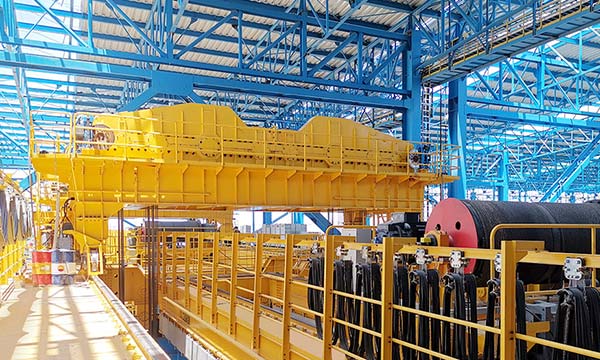
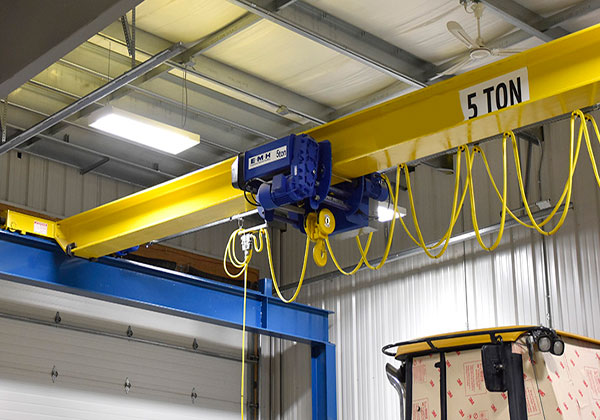
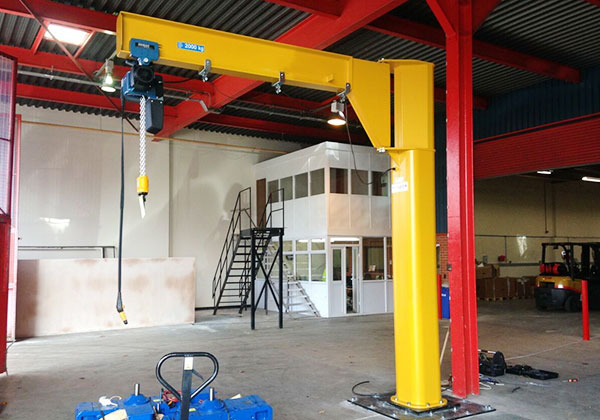
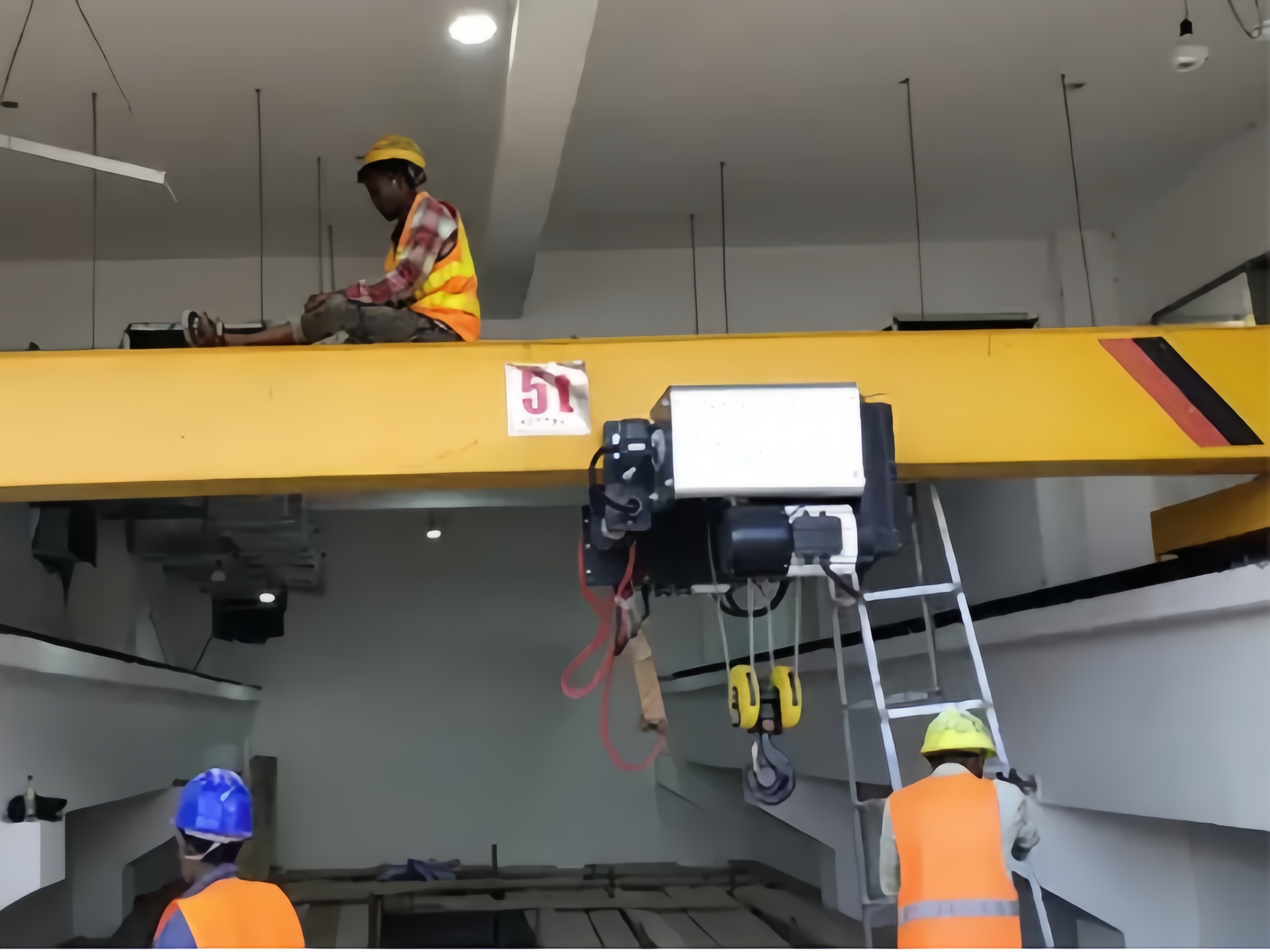
Indoor Overhead Cranes 5 Tons for Sale, Custom Indoor Overhead Cranes to Your Needs
Common Reasons for High Energy Consumption in Indoor Cranes
Inefficient Crane Motors
One of the main reasons for high energy consumption in indoor cranes is the use of outdated or inefficient motors. Old motors are often designed without energy conservation in mind, resulting in high power consumption during startup and normal operation. These motors often lack modern technology, such as variable frequency drives (VFDs), that adjust power consumption based on load and operating conditions. As a result, they consume more energy than necessary, especially in applications that require frequent lifting and lowering of loads. Upgrading to energy-efficient motors can significantly reduce energy consumption without sacrificing performance.
Overcapacity Operations
Another common reason for excessive energy consumption is operating a crane beyond its required capacity. When a crane is sized beyond the loads it typically handles, it consumes more energy than necessary. A crane that is too large for the application may require more power to start, move, and stop, resulting in unnecessary energy waste. Conversely, if a crane is undersized and forced to work beyond its optimal capacity, it puts stress on the motor and mechanical components, resulting in higher energy consumption. Properly matching a crane’s capacity and load requirements can help prevent energy waste and extend the life of the equipment.
Improper Maintenance
Lack of regular maintenance can significantly impact the energy efficiency of indoor cranes. Over time, components such as motors, gears, and bearings wear, leading to increased friction and drag during operation. This increased friction causes the crane to work harder and consume more energy. Additionally, dirt and debris that accumulates in mechanical parts can further reduce efficiency. Regular maintenance measures such as lubrication, cleaning, and parts replacement are essential to ensure that the crane operates smoothly and consumes energy efficiently.
Continuous Operation
Another factor that contributes to high energy consumption is the continued operation of cranes when they are idle. Many cranes continue to consume electricity even when they are idle, especially when they are operated between tasks without using standby mode or shutting down. Inefficient use of idle time can significantly increase long-term operating costs. Implementing an automatic shutoff system or energy-saving standby mode can help reduce unnecessary power consumption during idle periods, thereby improving energy efficiency.
Strategies to Improve Energy Efficiency
Upgrading to Energy-Efficient Motors
One of the most effective ways to reduce energy consumption in indoor cranes is to upgrade to energy-efficient motors. Using a variable frequency drive (VFD) allows for smoother starts and more precise motor speed control, which reduces energy spikes that occur during heavy load lifting and sudden moves. VFDs adjust the motor’s speed and power output based on the specific requirements of the task, which improves operating efficiency. Additionally, energy-efficient motors, such as those rated IE3 or higher, are designed to consume less energy while providing the same or better performance as older models. Upgrading to these motors can result in significant savings in long-term energy costs.
Load Optimization
Matching a crane’s capacity to typical loads is critical to optimizing energy use. When a crane is operated at loads well below its maximum capacity, energy is often wasted. Conversely, if a crane is continually lifting loads outside its optimal range, it stresses the system, resulting in higher power consumption. Proper load management involves analyzing the types of loads a crane frequently handles and ensuring the crane is sized appropriately for those tasks. This reduces unnecessary energy consumption and extends the life of the equipment by minimizing stress on the motor and other components.
Regenerative Braking Systems
Regenerative braking systems are a key technology for improving crane energy efficiency. These systems capture the energy generated during braking phases, such as when lowering a load, and convert it back into usable electrical energy. Instead of wasting this energy as heat, regenerative systems feed it back into the crane’s power supply or store it for later use. This process can significantly reduce overall energy consumption, especially in operations where the crane is frequently performing lifting and lowering tasks. Over time, regenerative braking can significantly reduce energy usage and operating costs.
Smart Crane Control Systems
Implementing smart, automated crane control systems is another way to improve energy efficiency. These systems can optimize crane motion, reduce idle time, and ensure that the crane is operating at peak efficiency. For example, automated systems can adjust motor speeds, stop crane functions when idle, and streamline load handling to minimize unnecessary energy use. Smart systems can also include predictive maintenance features that alert operators to potential issues before they lead to energy inefficiencies, ensuring smoother, more efficient operations.
Preventive Maintenance for Energy Efficiency
Regular preventive maintenance is essential to ensure that indoor cranes remain energy efficient. Motors and mechanical components, such as gears and bearings, become less efficient over time due to wear. Regular inspection, lubrication, and replacement of worn parts help keep a crane energy efficient. Preventive maintenance not only improves crane performance, but also prevents energy loss due to friction, overheating, and mechanical failure. By keeping all parts of a crane in optimal condition, businesses can reduce energy consumption and avoid costly repairs.
Energy Efficiency Improvement Case Studies
Case Study 1: Retrofitting Cranes with Energy-Efficient Motors
At a large automotive parts manufacturing plant, outdated cranes were consuming too much energy, resulting in high operating costs. The company decided to retrofit the cranes with energy-efficient motors, specifically IE3-class motors equipped with variable frequency drives (VFDs). These upgrades allow for smoother starting and stopping of the cranes, reducing energy spikes that previously occurred during operation.
As a result, the plant achieved significant energy savings—the cranes now consume 20 percent less electricity to operate. The initial investment in the retrofit was paid for in two years through reduced energy bills, and the improved crane performance has resulted in fewer maintenance issues. Not only did the company immediately reduce costs, it also aligned its operations with sustainability goals by reducing overall energy use.
Case Study 2: Implementation of a Regenerative Braking System
A steel mill integrated regenerative braking systems into its overhead cranes, which are used to frequently raise and lower steel coils. Prior to integration, the energy generated during the braking phase was wasted as heat. By installing a regenerative braking system, the steel mill was able to capture this energy and feed it back into the cranes’ power supply.
The results were impressive: The facility’s overall crane energy consumption was reduced by 15 percent. In addition to reducing energy costs, the regenerative system also reduced strain on the crane’s mechanical components, extending the life of the equipment and reducing maintenance requirements. The energy savings and increased operational efficiency helped the steel mill achieve a significant return on investment within a few years.
Case Study 3: Load Optimization in a Manufacturing Facility
A precision manufacturing company was facing high energy costs due to using cranes that were not matched to their typical load capabilities. The cranes were either overloaded with smaller loads or overloaded with larger loads, resulting in inefficient energy use and increased wear and tear on the equipment.
By conducting a comprehensive load analysis, the company reconfigured its crane fleet to better match the typical loads being handled. This load optimization reduced energy use by 25% because the cranes no longer had to apply unnecessary power or struggle to handle oversized loads. The company also gained operational efficiency because the properly sized cranes ran smoother and had fewer mechanical issues, resulting in further cost savings.
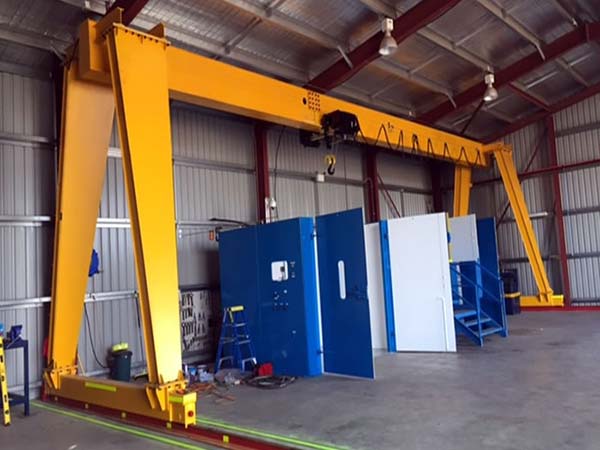
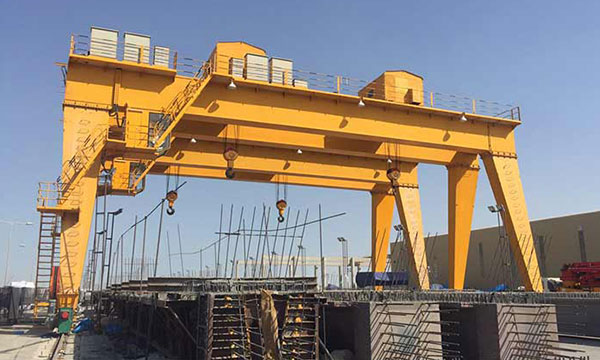
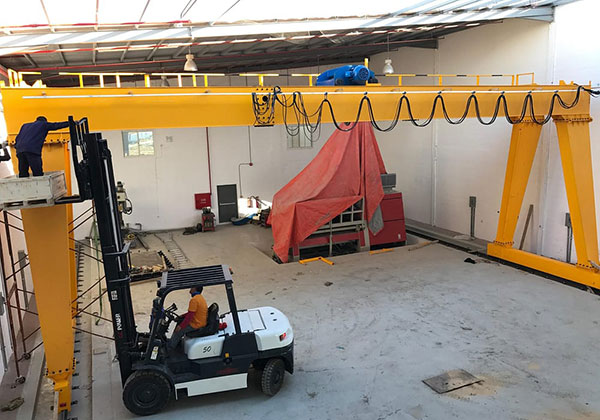
Indoor Gantry Cranes for Sale, Custom Indoor Gantry Cranes for Your Needs
Benefits of Energy Efficient Indoor Cranes
Reduce Operating Costs
Energy-efficient indoor cranes consume less electricity during operation, resulting in direct cost savings. By using advanced motor technologies such as variable frequency drives (VFDs) and regenerative braking systems, cranes require less energy to perform the same tasks, significantly reducing energy bills. These cost savings accumulate over time, resulting in long-term cost reductions that directly affect a company’s bottom line. For industries that use a lot of cranes, these cost savings can be significant, making energy-efficient upgrades a smart investment.
Extend Equipment Life
Energy-efficient systems put less stress on motors and mechanical components, extending the life of the crane. When a crane runs more smoothly and less power is required to lift and move loads, there is also less wear and tear on key components. This means fewer breakdowns and maintenance issues, ultimately extending the life of the crane. By reducing the frequency of repairs and replacements, businesses can save on maintenance costs while benefiting from a longer-lasting crane system.
Improve Environmental Impact
Energy-efficient cranes consume less energy, helping to reduce their carbon footprint, which in turn reduces greenhouse gas emissions. For companies committed to sustainability or facing environmental regulations, these cranes help achieve corporate sustainability goals by minimizing energy waste and supporting green initiatives. Additionally, many industries are under pressure to reduce their impact on the environment, and energy-efficient cranes offer an effective solution by helping companies comply with environmental regulations and best practices.
Improved Performance and Productivity
Energy-efficient indoor cranes not only reduce costs, but also improve overall performance. With features such as VFDs, these cranes operate more smoothly, allowing loads to be handled faster and more precisely. This can increase productivity because the crane can handle tasks more efficiently and with fewer interruptions. Enhanced performance also means operations can be completed more consistently and with less downtime, helping companies increase production while maintaining energy efficiency.
Challenges of Implementing Energy-Efficient Solutions
Initial Investment Costs
One of the main challenges of adopting an energy-efficient indoor crane solution is the high upfront cost. Energy-efficient motors, such as those rated IE3 or higher, and advanced systems such as regenerative braking and smart controls are often more expensive than traditional equipment. For many businesses, the initial investment may seem prohibitive. However, conducting a thorough cost-benefit analysis can highlight long-term savings in operating costs, energy bills, and maintenance, showing that the upfront costs can be offset over time by reduced spending.
Integration with Existing Systems
Retrofitting older cranes with modern, energy-efficient components presents technical challenges. Older systems may not be compatible with newer energy-efficient technologies, requiring additional adjustments or replacements to ensure smooth integration. Additionally, some cranes may require custom modifications, which can complicate the upgrade process. Companies need to evaluate the feasibility of retrofitting existing crane systems and consider from the outset whether it is more cost-effective to retrofit or invest in new energy-efficient cranes.
Training and Maintenance
Transitioning to energy-efficient indoor cranes involves more than just installing new equipment; it also requires training staff to operate these systems efficiently. Operators need to understand how to effectively use energy-efficient features, such as variable frequency drives and intelligent control systems. Additionally, maintenance teams must adapt their practices to the new technology, which may involve learning new diagnostic tools and maintenance techniques to ensure that energy-efficient components function optimally. Investing in training is essential to maximizing the benefits of these systems and avoiding potential inefficiencies caused by improper use or maintenance.
Intelligent Features for Indoor Cranes
Automation and Smart Cranes
The future of energy-efficient cranes is closely tied to advances in automation and smart technologies. Artificial Intelligence (AI) and the Internet of Things (IoT) are playing an increasingly important role in optimizing crane operations, further improving energy efficiency. Smart cranes can monitor their own performance in real time, automatically adjusting their movements to reduce energy consumption based on load, motion and operational needs. Predictive maintenance driven by AI can identify potential issues before they lead to inefficiencies, ensuring that cranes are always operating at optimal energy efficiency. These innovations not only reduce energy use, but also increase productivity and reduce downtime.
Renewable Energy Integration
As the industry moves towards sustainability, the integration of renewable energy into crane systems is gaining more and more attention. Indoor cranes will soon be able to be powered by on-site renewable energy generation such as solar or wind, reducing reliance on the grid and further reducing their carbon footprint. In addition, energy storage solutions such as battery systems allow cranes to store excess energy generated during off-peak hours or regenerative braking systems for later use. These renewable energy integrations offer the potential to transform indoor crane operations into fully sustainable, low-energy systems, in line with the global trend towards green industrial practices.
Conclusion
Energy efficiency for indoor cranes is critical to reducing operating costs, lowering energy consumption and improving the overall performance of crane systems. By addressing common issues such as motor inefficiency, overcapacity and improper maintenance, companies can significantly reduce energy waste. Key strategies such as upgrading to energy-efficient motors, optimizing loads, using regenerative braking systems, and implementing smart control systems can lead to direct cost savings, extended equipment life, and improved environmental impact.
Investing in energy-efficient crane systems is not only a smart financial decision, but also a step toward achieving long-term sustainability goals. The initial investment may seem high, but the long-term benefits—reduced operating costs, extended equipment life, and alignment with corporate sustainability goals—far outweigh the costs. Companies should prioritize energy-efficient solutions in their crane systems to remain competitive, reduce their carbon footprint, and ensure a sustainable future for their operations.