
Small industrial cranes: efficient lifting solutions for confined spaces
Learn how small industrial cranes optimize heavy lifting in limited spaces, providing versatility, cost savings and increased operational efficiency for a variety of industries.
Small Industrial Cranes
Small industrial cranes are compact, powerful lifting machines designed to handle heavy loads in tight or space-constrained industrial environments. While they may have a smaller footprint than traditional cranes, they are designed to provide reliable lifting capabilities. These cranes are suitable for a range of industries that require frequent lifting and positioning tasks without the need to install a large permanent crane.
- Key Functions: Small industrial cranes can lift, move and precisely position heavy loads, often weighing several tons.
- Compact and Adaptable: They are compact enough to be used in spaces where larger cranes cannot operate, and many models are mobile and can be easily repositioned around the workspace.
- Key Applications: These cranes are essential in manufacturing, warehousing and maintenance environments, where the lifting needs vary and permanent or large cranes are impractical.
Growing Demand for Compact Spaces
The demand for compact and powerful lifting solutions has led to the rapid adoption of small industrial cranes across multiple industries. These cranes are especially valuable in environments where space optimization is critical.
- The Need for Space Conservation: Many industries, such as automotive manufacturing, logistics, and mechanical assembly, operate in facilities with limited floor space and ceiling heights. Small cranes can adapt to these environments, efficiently handling loads without taking up a large amount of operating space.
- Cost-Effective and Flexible: For businesses that need to maximize operational flexibility, small cranes offer a low-cost solution to increase lifting capacity without the need for permanent installation. Many models can be folded or disassembled for convenient storage, increasing versatility.
- Enhanced Safety and Efficiency: By easily lifting and precisely positioning heavy loads, these cranes reduce the need for manual operation, thereby minimizing workplace injuries and increasing efficiency in high-density work areas.
Comparison to Large Crane Systems
Small industrial cranes are very different from large, traditional crane systems in terms of design, mobility, and target applications. While large cranes are ideal for extensive, high-capacity lifting needs, small industrial cranes offer an effective alternative when such space and reach are not available or required.
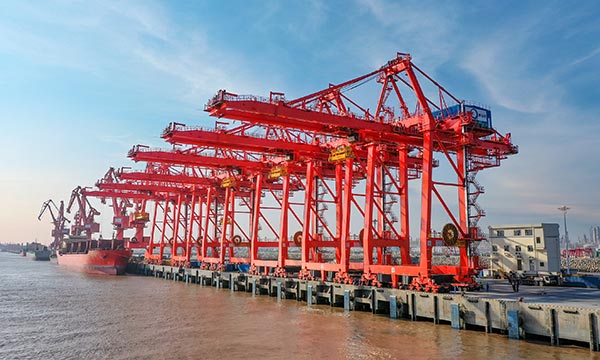
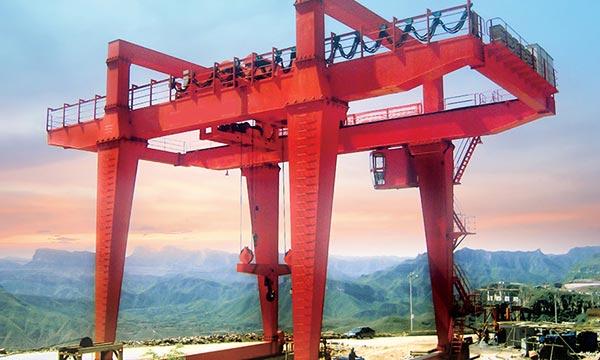
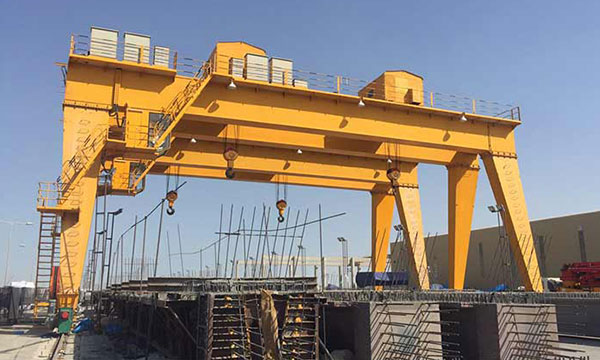
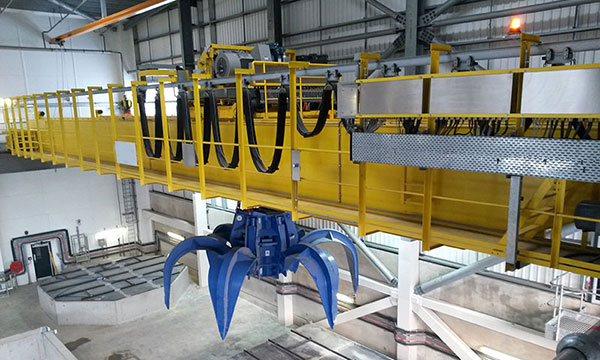
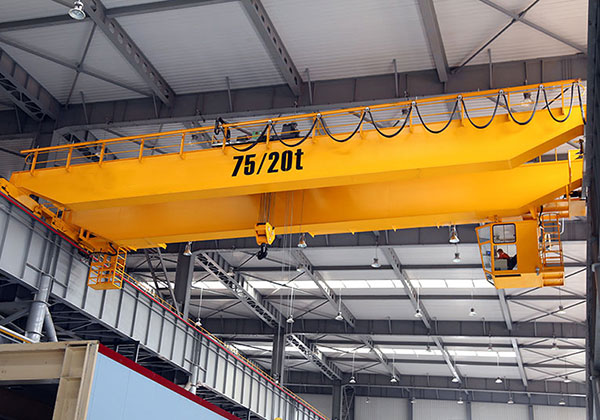
Space Requirements: Large cranes, such as gantry cranes and overhead cranes, require a large amount of installation space and are therefore typically limited to larger factories and warehouses. Designed for tight spaces, mini cranes allow companies with limited floor space to perform necessary lifting tasks.
Mobility: Unlike large cranes, which are often fixed-mounted, mini cranes are often portable and can be moved to different areas of a facility or even taken to different job sites as needed.
Wide range of applications: While large cranes are designed for high-capacity, repetitive lifting tasks, mini cranes are flexible enough to be used in a variety of applications, such as loading and unloading materials, handling inventory, and supporting assembly lines, often in smaller work cells or confined production areas.
Overall, mini industrial cranes offer a practical, powerful, and space-saving solution for industries that value compactness, flexibility, and reliable lifting.
Types of mini industrial cranes
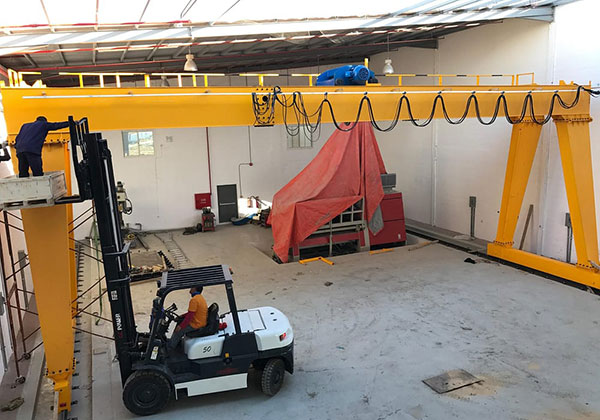
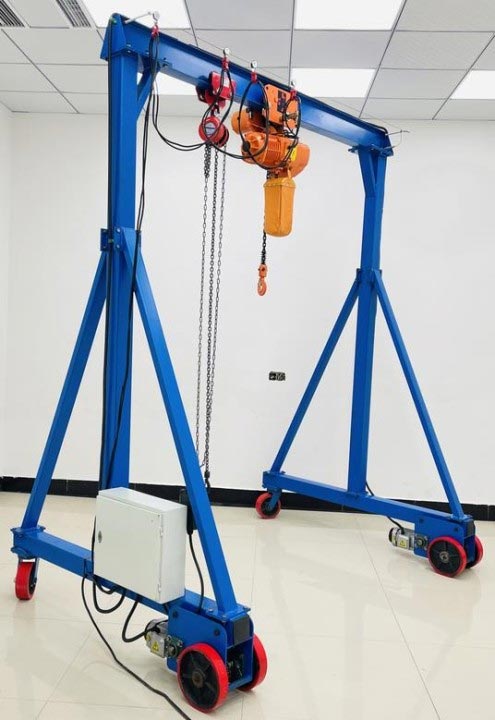
Portable Gantry Cranes
A portable gantry crane is a versatile lifting solution designed to be easily moved and flexibly maneuvered in a variety of environments. Its adjustable height and width make it suitable for a variety of lifting tasks.
Lightweight and Mobile: These cranes are typically made of aluminum or lightweight steel and can be easily relocated within a facility or transported to a different job site.
Adjustable Height and Span: Many portable gantry cranes have adjustable legs, allowing users to customize height and width to accommodate various loads and workspace constraints.
Great for Workshop Use: They are commonly used in workshops, warehouses, and manufacturing environments to lift and move materials, components, and equipment.
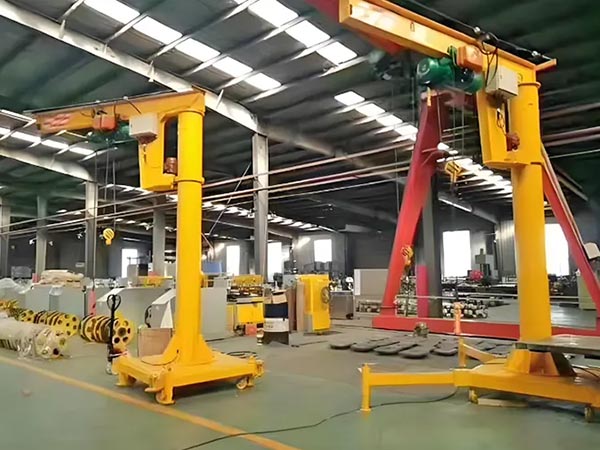
Portable jib crane
Portable jib cranes provide an effective solution for lifting loads in tight spaces, and their compact design is easy to operate.
- 360-Degree Rotation: Most portable jib cranes allow full rotation, giving the operator the flexibility to move loads in all directions without having to reposition the crane.
- Heavy Lifting Capacity: Despite their small size, many portable jib cranes can handle considerable weight, making them suitable for industrial applications requiring heavy lifting.
- Easy to install and operate: These cranes are typically designed to be installed quickly and require minimal tools or training to operate effectively.
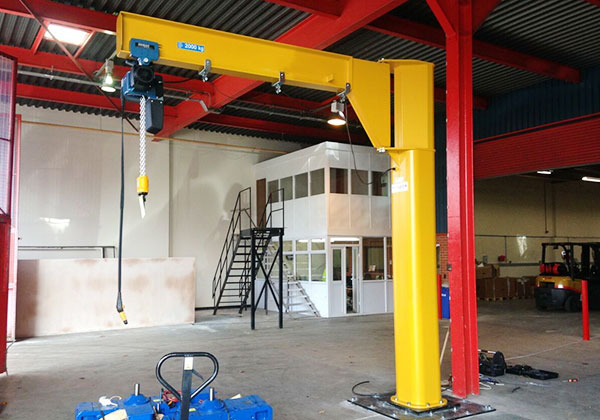
Column crane
Column cranes are a stationary lifting solution that provide a reliable and sturdy option for lifting tasks in workshops and industrial facilities.
- Space-Saving Design: Mounted on vertical pillars, these cranes take up less floor space while providing significant lifting capacity and stability.
- Rotation Capability: Many column cranes can rotate around their columns, allowing for greater flexibility in lifting and moving loads within a designated area.
- Durability and Strength: These cranes are designed for heavy-duty applications and are often constructed from rugged materials, ensuring long-term performance in industrial environments.
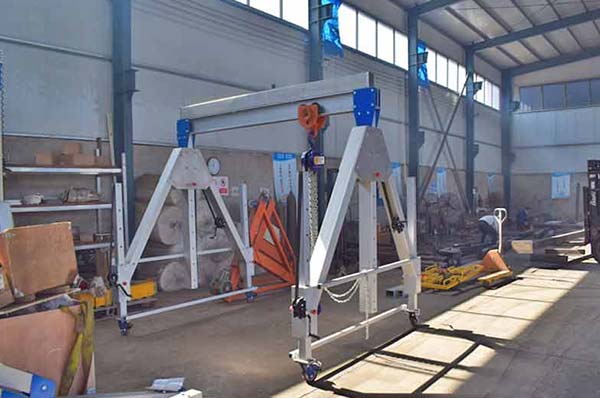
Aluminum Gantry Cranes
Aluminum gantry cranes are a lightweight, portable solution that offers excellent lifting capacity without the weight of traditional steel cranes.
- Corrosion Resistant: Aluminum construction makes these cranes ideal for environments where moisture or corrosive substances are present, as they are less susceptible to rust and degradation.
- Easy to Transport: The lightweight nature makes them easy to disassemble and transport, making them suitable for temporary setups or jobsites that require frequent relocation.
- Cost-Effective and Versatile: Aluminum gantry cranes are generally more affordable than steel gantry cranes while still offering excellent lifting capacity for a variety of applications.
Low Headroom Overhead Cranes
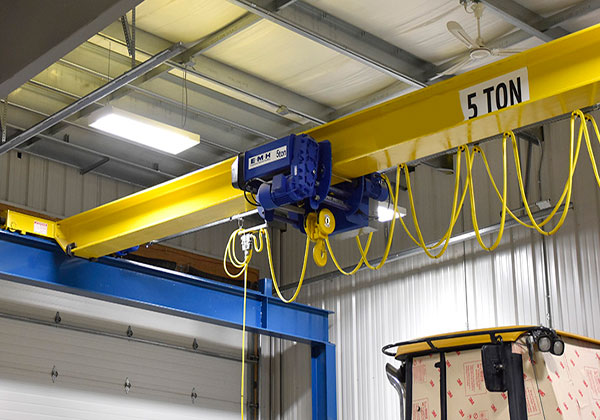
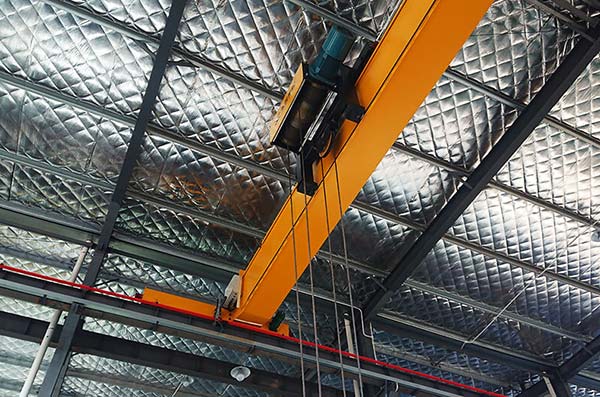
Low headroom overhead cranes are lifting solutions specifically designed to operate in environments with limited vertical space. These cranes are ideal for applications where maximizing headroom is critical for safe and efficient operation.
Design Features
- Compact Construction: Low headroom overhead cranes feature a compact design that minimizes the vertical height required for installation, providing more space below the crane.
- Cantilever Configuration: These cranes are typically mounted on top of a track beam or cantilevered, meaning the bridge is suspended from the support beam rather than resting on it. This design reduces the overall height required for the crane system.
- Optimal Lift Height: By featuring a low headroom design, these cranes can maximize lift height and increase the available working space below them, which is especially valuable in factories and warehouses.
Applications
Tight Spaces: Ideal for manufacturing plants, workshops, and warehouses with limited overhead space, such as basements or areas with low ceilings.
Precision Lifting: Often used to lift delicate components or machinery where accuracy is critical and headroom restrictions may prevent larger lifting systems.
Benefits
Increased operational efficiency: By maximizing headroom, low headroom overhead cranes can lift larger loads while keeping the workspace safe and accessible.
Enhanced safety: Its design reduces the risk of collision with overhead structures, ensuring safer operation in confined areas.
Cantilever Bridge Cranes
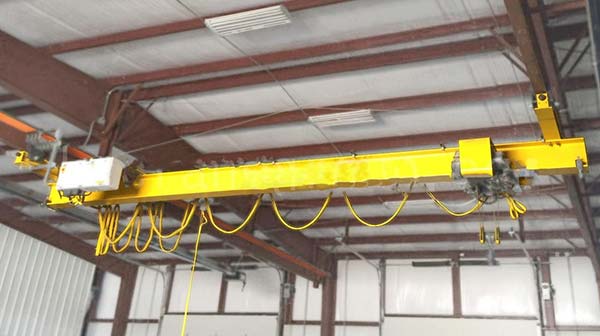
A cantilever bridge crane is a type of bridge crane system that is mounted below the track beam, providing a flexible and efficient solution for a variety of industrial lifting tasks.
Design Features
- Suspended from the runway: Unlike traditional bridge cranes that sit on top of the beam, cantilever cranes are suspended from the beam, allowing the full height of the equipment to be utilized.
- Compact and lightweight: Their lightweight design makes them suitable for applications where weight restrictions are a concern, as they do not require as much structural support as larger systems.
- Modular components: Cantilever cranes are typically built with modular components, making them easy to install, modify, and maintain.
Applications
- Manufacturing environments: They are widely used in assembly lines, manufacturing shops, and manufacturing facilities for lifting and moving components and products.
- Warehousing and distribution: Efficiently perform tasks such as loading and unloading freight, organizing inventory, and moving materials within storage areas.
- Benefits
- Space efficiency: The underslung design provides more available vertical space, making it easier to operate machinery and stored materials without obstruction.
- Operational versatility: These cranes can be customized to specific lifting needs, with a variety of configurations and lifting capacities to suit different applications.
- Cost-effective: Their simple design and ease of installation often reduce overall costs compared to other types of cranes, making them an attractive option for budget-conscious operations.
Overall, both low-headroom and suspension bridge cranes offer effective solutions for lifting tasks in space-constrained environments, increasing productivity while maintaining safety and operating efficiency.
Advantages of Small Industrial Cranes in Confined Environments
Space-Saving Design
Mini industrial cranes are engineered to optimize limited space, making them ideal for space-constrained industries. Their design allows them to operate efficiently in compact areas, increasing productivity without sacrificing valuable workspace.
- Small Footprint: Mini cranes often have a narrow base or a shorter reach, allowing them to fit into tight spaces, such as assembly lines or small maintenance areas.
- Minimal Overhead Clearance: Many compact cranes are designed to operate in low-headroom environments, making them ideal for workshops with limited ceiling height.
- Maximizing Floor Space: By reducing the space required to mount the crane, mini cranes can place other machinery or storage nearby, increasing overall operational efficiency in confined environments.
Enhanced Mobility and Flexibility
Designed with mobility in mind, these cranes can be easily repositioned and flexibly used for a variety of tasks and locations within a facility. This feature is particularly beneficial for industries with changing layouts or flexible production needs.
- Portable Options: Many small cranes, such as mobile floor cranes or portable gantry cranes, come with wheels or casters, allowing them to be quickly moved to different locations.
- Adaptable Movement: Compact cranes often have rotating or telescopic booms that can be raised and lowered at various angles, making them flexible enough to maneuver around obstacles in tight spaces.
- Quick Deployment: Unlike large, fixed cranes that require extensive installation, small cranes can be quickly installed or repositioned, saving valuable time in dynamic work environments.
Cost-Effectiveness
Small industrial cranes offer significant cost savings in both initial investment and long-term maintenance, making them an economical option for businesses with limited budgets but ongoing lifting needs.
- Lower Purchase Price: Small cranes are often less expensive than larger systems, helping industries with limited budgets purchase necessary equipment without compromising quality.
- Reduced Installation Costs: Compact cranes are simpler and less time-consuming to install, and typically do not require structural reinforcement or extensive foundations.
- Reduced Maintenance Expenses: Due to their simple design and smaller components, compact cranes require less frequent and less expensive maintenance, which reduces downtime and maintenance budgets.