
From Budget to Purchase: 5-Ton Overhead Crane Price Comparison
A 5-ton overhead crane price comparison guide covering budgeting tips, cost components, and smart purchasing strategies.
Crane pricing is critical to effective budgeting and purchasing for any industrial facility. A crane is a significant investment that impacts your operational efficiency and overall costs. Having a good understanding of its pricing helps ensure you make cost-effective decisions and avoid unexpected expenses.
In this guide, we focus specifically on 5-ton overhead cranes, which are a common choice for many industrial applications due to their versatility and capacity. By delving into the various cost components, including product price, shipping, installation, and optional inspections, this section aims to provide clear and practical comparisons to help you budget and make an informed purchase.
Cost Components of a 5-Ton Overhead Crane
Product Price
The fundamental expense in purchasing a 5-ton overhead crane is the product price. This price can vary widely based on several key factors:
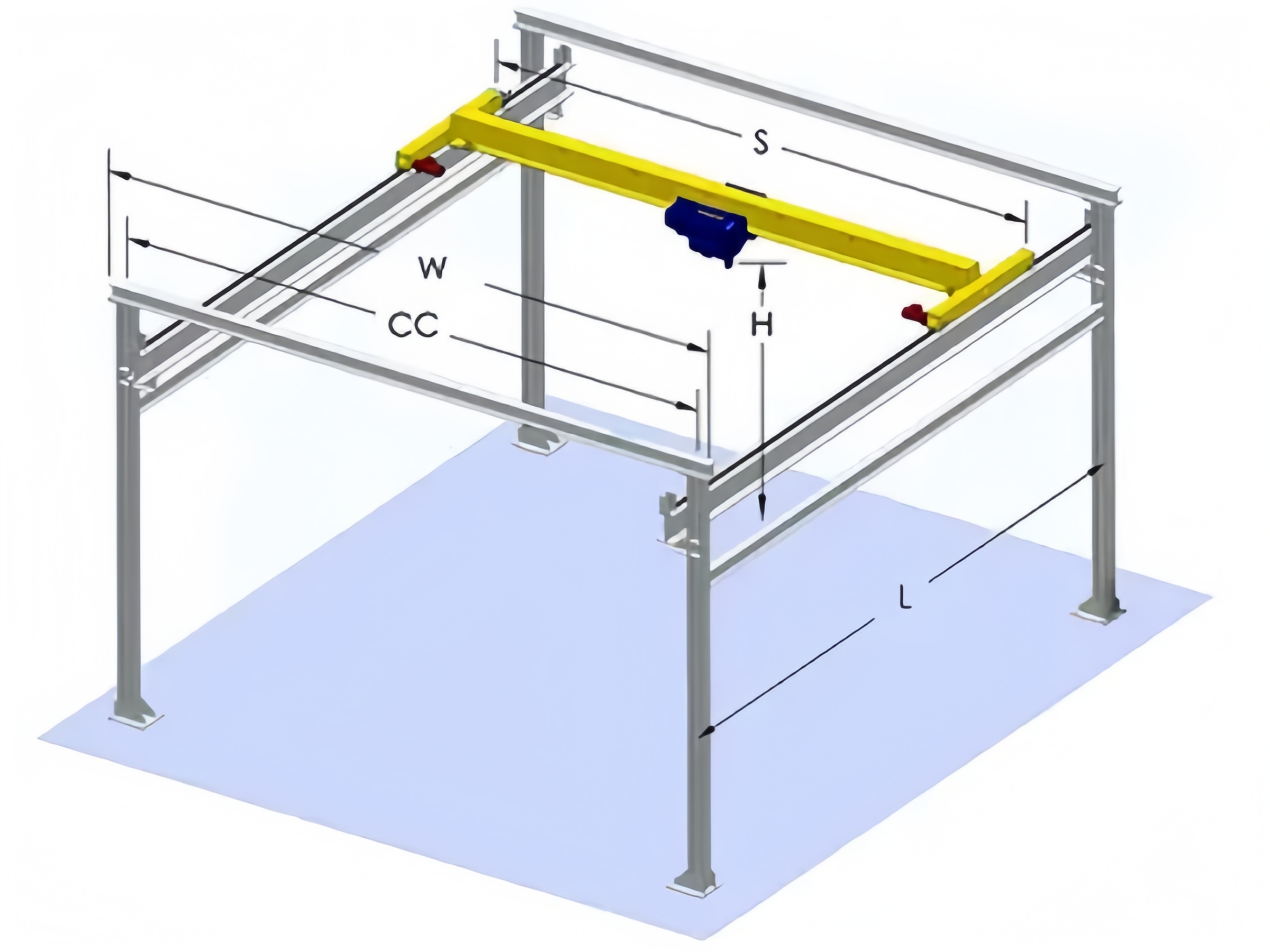
5 ton bridge crane for sale, main parameters affecting bridge crane price
Lifting capacity: While the standard lifting capacity is 5 tons, cranes with enhanced lifting capacity or designed for special loads may be more expensive. The higher the lifting capacity, the higher the price because stronger components and stricter design specifications are required to safely handle greater weights.
Span: The span of a crane, which is the distance between its supporting structures, plays a vital role in determining the price. The larger the span, the more and stronger structural elements are required to ensure stability and safety, which increases the cost. For example, a crane with a span of 20 meters will generally cost more than a crane with a span of 10 meters because more materials and engineering are involved.
Lifting height: The maximum lifting height affects the overall design of the crane, including the length of the lifting rope or chain. Cranes that need to lift items to greater heights require longer ropes or chains and may require more complex mechanisms, which results in a higher price. For example, a crane with a lifting height of 10 meters may cost more than a crane with a lifting height of 5 meters due to these additional components.
Power supply: Power supply configuration can also affect cost. A standard crane may come with a basic electrical setup, but custom configurations, such as those that require different voltages or additional safety features, can add to the price. Additionally, if the crane needs to integrate with an existing power system or a special power setup, this can further affect cost.
Crane travel length: The length of the crane track or track system is another important cost factor. Longer travel lengths mean more material and a more complex installation process, which can increase overall expenses. For example, a crane designed to travel 50 meters along the track will be more expensive than a crane designed to travel 20 meters along the track due to the increased length of the track system and additional installation requirements.
Each of these factors will affect the final cost of the crane, and understanding them can help make more informed budget decisions.
Price range examples
The price of a 5-ton overhead crane varies greatly depending on its specifications and features. Here is a breakdown of the typical price range:
Basic models: Entry-level or standard 5-ton overhead cranes generally cost between $3,130 and $6,000. These models typically include basic features suitable for general lifting tasks and are designed with standard specifications.
Mid-range Models: For more advanced options, including additional features such as enhanced lifting height or customized power configurations, prices range from $6,000 to $11,500. These cranes may have increased durability, better safety features, and greater operating efficiency.
High-end Models: High-end 5-ton overhead cranes, including specialized designs, extended spans, and high-tech features, range in price from $11,500 to $16,760. These models often feature advanced technology, high customizability, and enhanced load handling capabilities.
Note that 5-ton overhead crane prices vary by markup and are affected by a variety of factors, if you need a 5-ton overhead crane, feel free to contact us to get specific pricing for a 5-ton overhead crane with custom specifications.
Shipping Costs
Shipping costs are an important factor to consider when purchasing a 5-ton overhead crane, as it can significantly affect total expenses. Here is a breakdown of the main shipping methods:
Ocean shipping: This is the most cost-effective option for long-distance transportation and heavy cargo. While ocean shipping is generally cheaper, it is also slower compared to other methods. This option is ideal for international shipments where time is not a critical factor.
Road Freight: Road freight is suitable for shorter distances and is often used for final transport from the port to the installation site. It offers a good balance of cost and speed, making it a practical option for shipping cranes within the same country or region.
Air Freight: While air freight is the fastest mode of transportation, it is also much more expensive. This option is often used for emergency shipments or when time is of the essence. Due to the high cost, air freight is rarely used for large, heavy equipment such as overhead cranes unless absolutely necessary.
These price ranges and shipping costs can help you better estimate the total cost of purchasing a 5 ton overhead crane and plan your budget accordingly.
Common International Trade Terms
When buying a 5 ton overhead crane internationally, it can be helpful to understand common trade terms to clarify cost responsibilities and avoid unexpected expenses. Here is a breakdown of the key terms:
EXW (Ex Works): Under EXW terms, the seller’s responsibility ends once the crane arrives at the seller’s premises or other specified location. From this point on, the buyer is responsible for all costs and risks of transporting the crane to its final destination. This includes shipping, insurance, and handling. EXW often reduces initial costs, but requires the buyer to manage all logistics and assume risks during transportation.
FOB (Free on Board): Under FOB terms, the seller is responsible for the costs and risks of transporting the crane to the port of shipment. This includes loading the crane onto the vessel. Once the crane is loaded on the vessel, risks and additional costs, such as freight and insurance, are transferred to the buyer. FOB terms can provide a clearer division of responsibilities, with the seller responsible for pre-shipment logistics and the buyer responsible for the rest.
CIF (Cost, Insurance, and Freight): CIF terms require the seller to cover the costs of transportation, insurance, and freight up to the port of destination. This means the seller is responsible for these costs and risks until the crane arrives at the agreed port of destination. While CIF provides the buyer with more comprehensive protection and lower risk during shipping, it generally involves higher upfront costs than EXW or FOB.
These trade terms are essential for budgeting and planning crane purchases, as they determine who is responsible for the various costs and risks throughout the shipping process.
Installation Costs
There are several factors to consider when installing a 5 ton overhead crane that can have a significant impact on the overall cost. The two main installation options are detailed below:
DIY Installation: Opting for a DIY approach can result in significant cost savings, provided you have the necessary skills and equipment. Many crane manufacturers offer detailed installation guides, videos, and technical support to assist buyers who choose this approach. However, DIY installation requires an in-depth understanding of crane assembly and proper safety protocols. If you lack the experience or necessary tools, this option can be risky and may result in unforeseen complications that could offset any initial cost savings.
Professional Installation: It is generally recommended to hire a professional installer to ensure that the installation is safe and compliant. Professional installation services typically include on-site instruction, component assembly, and crane calibration to meet operating standards. The costs associated with professional installation can vary based on a number of factors, such as the complexity of the crane setup, location, and duration of the installation. Other costs may include engineer visas for international projects, travel and accommodation costs, and daily wages for the installation team. While professional installation adds upfront costs, it ensures that the crane is set up correctly, which can prevent future problems and increase operational efficiency.
The choice between DIY or professional installation depends on your budget, expertise, and the complexity of your crane system. For most buyers, especially those who lack technical expertise, the additional cost of professional installation can provide peace of mind and long-term benefits.
Third-party inspection costs (optional)
A third-party inspection is a worthwhile investment to ensure that the 5 ton overhead crane meets all safety and quality standards. Here is a detailed overview of the inspection process and associated costs:
Inspection types: Third-party inspections are conducted by independent agencies such as SGS, Bureau Veritas (BV), or TÜV Rheinland. These agencies offer a range of inspection services, including:
Pre-delivery inspections: Verify that the crane meets specified requirements before it is shipped.
On-site inspections: Ensure that the crane is installed and operating in accordance with safety standards.
Compliance inspections: Assess compliance with international and local regulations and standards, such as ISO or OSHA requirements.
Potential Costs: The cost of a third-party inspection typically includes an inspection fee and associated travel expenses. On average, inspection services cost about $540 per day. This rate can vary based on several factors:
Inspection Scope: The complexity and scope of the inspection will affect the cost. More detailed inspections or additional testing may increase the total cost.
Location: Travel costs will vary depending on how close the inspection location is to the inspection agency’s base. Remote or international locations may significantly increase costs.
Duration: Extended inspections or multiple inspections may incur higher costs.
While a third-party inspection is not required, it can provide critical verification of the quality and safety of the crane, helping to reduce risk and ensure compliance with industry standards. For high-risk projects or projects that require strict compliance with regulations, investing in these inspections may be a wise decision.
5-ton overhead crane price comparison
When evaluating the cost of a 5-ton overhead crane, understanding the differences between domestic and international pricing is critical to making an informed decision. Here is a breakdown of each price:
Domestic Pricing: Purchasing a crane from a local supplier often has several advantages:
Reduce Shipping Costs: By purchasing locally, you can avoid high shipping costs, which can be quite expensive for heavy equipment. This results in overall cost savings.
Reduced Import Duties: Domestic sourcing avoids import duties and taxes that apply to international shipments.
Faster Delivery: Local suppliers can offer faster delivery times, reducing waiting time and facilitating quicker project start times.
Additional Costs: However, domestic prices may have higher markups due to regional demand or supplier margins. Local market conditions and supply constraints can also affect pricing.
International Pricing: Sourcing cranes from international suppliers often involves a more complex cost structure:
Competitive Base Price: International manufacturers may offer lower base prices due to different cost structures, economies of scale, or lower production costs.
Shipping Costs: Shipping over long distances can increase total expenses. Ocean freight, while cost-effective, is slower, while air freight, while faster, is much more expensive.
Duties and Taxes: Importing equipment is subject to duties and taxes, which can significantly increase the final cost. The exact costs depend on the regulations of the destination country.
Currency Fluctuations: Changes in exchange rates can affect the final price. A favorable exchange rate may reduce costs, but an unfavorable fluctuation may increase costs.
Compliance Costs: There may be additional costs to ensure that the crane complies with local regulations and standards, which may involve modifications or additional paperwork.
Domestic and international sourcing each have their pros and cons. While domestic sourcing can reduce certain costs and complexities, international sourcing may offer a more competitive base price, but additional costs require careful consideration. Balancing these factors will help make a cost-effective and informed decision.
Comparative Analysis of Costs in Different Countries
When considering the purchase of a 5 ton overhead crane, it is critical to understand the cost differences between the country of origin and the delivery location. Here is a detailed comparison:
China
Competitive Base Price:
Manufacturing Costs: China is known for its cost-effective manufacturing due to its lower labor costs and large-scale production capabilities. This often results in a significantly lower base price for overhead cranes compared to other regions.
Economies of Scale: Large-scale production facilities and mature supply chains help to reduce overall production costs.
Additional Costs:
Shipping: Shipping costs from China to other parts of the world are considerable. Ocean freight is often used to reduce costs, but is slower; air freight, while faster, is much more expensive.
Duties and Taxes: Importing a crane from China may incur duties and taxes in different countries. These costs can offset the initial savings on the base price.
Compliance costs: Ensuring that a crane meets local safety and quality standards may involve additional modifications or certifications, which can affect the final price.
Overall cost considerations: While initial prices from Chinese suppliers may be attractive, shipping, customs, and compliance costs must be considered to determine total expenses.
USA/Europe
Higher base price:
Advanced manufacturing standards: Cranes produced in the United States or Europe are often manufactured to strict quality and safety standards, resulting in a higher base price. These regions focus on advanced technology, higher labor costs, and rigorous testing.
Labor and material costs: Higher wages and material costs in these regions lead to higher overall prices.
Other advantages:
Lower shipping costs: Domestic suppliers in the United States or Europe often have lower local shipping costs. This eliminates international shipping costs and reduces delivery times.
Faster delivery: Being close to suppliers can reduce delivery times, minimize downtime, and speed up project execution.
Local support and compliance: Local suppliers can provide better after-sales support, and the equipment may comply with local regulations, reducing the need for additional modifications or certifications.
Overall cost considerations: While the base price of a crane from the United States or Europe may be higher, benefits such as reduced shipping costs, faster delivery, and easier compliance with local standards can make these choices cost-effective in the long run.
In summary, choosing between domestic and international suppliers requires weighing the base price advantage against additional costs such as shipping, tariffs, and compliance. Chinese manufacturers typically offer lower initial prices, but the total cost can rise as fees increase. In contrast, U.S. and European suppliers may have higher base prices but offer benefits such as reduced shipping costs and faster delivery, which can offset the higher initial investment. Analyzing these factors can help make cost-effective decisions that fit your budget and project needs.
This comparison shows that the total cost of purchasing a 5-ton overhead crane can vary greatly depending on the country of purchase. Factors such as local pricing strategies, shipping logistics, and installation requirements play a big role in determining the final expenditure. It is important to consider these factors when evaluating different options to ensure you get the best value for your investment.
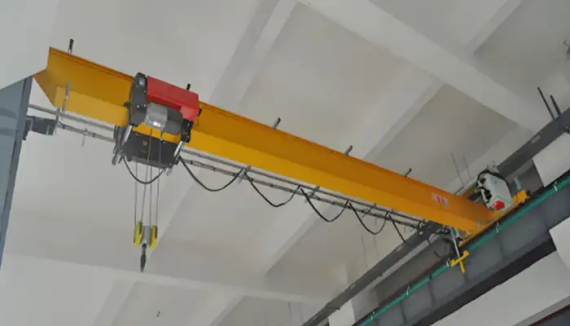
5 ton bridge crane for sale, 5 ton bridge crane types for you to choose from
Case studies
Case study 1: Example from Egypt
Overview: An Egyptian company purchased a 5 ton bridge crane from a Chinese manufacturer. They chose a CIF (cost, insurance and freight) transaction to cover all costs until the crane arrived at Alexandria.
Cost breakdown:
Product price: $8,260
Transportation costs: $800 (sea freight from Qingdao to Alexandria)
Sea freight costs: $2,400 (standard freight)
Installation: $180 (DIY with provided resources)
Inspection: $1,060 (third-party inspection fee)
Total expenses: $12,700
Details: Total expenses include product price, freight, and optional costs for installation and inspection. The company chose to install it itself to save costs and only chose a third-party inspection as a precaution.
Case study 2: Example from Iraq
Overview: An Iraqi company purchased a 5 ton bridge crane from a Chinese supplier, choosing a CFR (cost and freight) transaction. This case study illustrates the costs involved in importing and installing a crane.
Cost Breakdown:
Product Price: $54,856
Transport Cost: $2,800 (sea freight from Qingdao to Umm Qasr Port)
Ocean Freight: $5,600 (transportation and handling costs)
Installation: $2,200 (professional installation, on-site guidance)
Inspection: Unspecified
Total Expenditure: $65,456
Details: This case study shows that the expenditure is significantly higher due to the higher base price and professional installation services. The lack of inspection costs suggests that the company may rely on the supplier’s guarantee or internal quality inspection. The decision to have a professional installation is to ensure proper setup and avoid potential operational issues.
Budgeting and Purchasing Tips
Accurately Estimate Total Costs
In order to make an informed decision and avoid unexpected expenses, it is crucial to accurately estimate the total cost of the 5-ton overhead crane. Here is a step-by-step guide to ensure you have all the necessary components covered:
Product Price: Start by getting a detailed quote from the supplier. Product prices will vary based on the specifications of the crane, such as lifting capacity, span, and lifting height. Make sure you receive a comprehensive quote that includes any optional features or customizations.
Shipping costs: Calculate the cost of transporting the crane from the manufacturer to your location. This includes choosing a shipping method (sea, land, or air) and understanding the applicable international trade terms (EXW, FOB, CIF). Each method and term will affect the total cost, so be sure to consider these details.
Installation costs: Decide whether you will do the installation yourself or hire a professional. DIY installation may save money but requires necessary skills and equipment. Professional installation, while more expensive, ensures that the crane is installed correctly and safely. If applicable, include any associated costs, such as travel and lodging for the installation team.
Inspection costs: If a third-party inspection is required or desired, factor it into your budget. Inspection costs can vary depending on the scope and location of the inspection. Make sure you account for any potential travel and service expenses associated with the inspection.
By carefully considering each component and getting detailed quotes and valuations, you can better manage your budget and make an informed purchasing decision for your 5-ton overhead crane.
Tips for reducing expenses
Optimize specifications: When purchasing a 5-ton overhead crane, focus on selecting features that match your actual needs. Avoid over-specifying unnecessary upgrades or custom features, as these may increase costs. For example, if your lifting requirements do not exceed a certain capacity, choosing a standard model over a high-capacity model can help keep expenses in check. Also, tailor other specifications, such as span and lifting height, to your operational requirements rather than choosing an option that exceeds your needs.
Compare quotes: To ensure you are getting the best value for your money, gather quotes from multiple suppliers. Compare not only the basic product price, but also include shipping and installation costs in your evaluation. Different suppliers may offer different pricing structures and terms, so a thorough comparison will help determine the most cost-effective option. Be sure to request a detailed breakdown of all associated costs to avoid hidden fees.
Consider DIY installation: If you have the necessary expertise and equipment, opting for DIY installation can save you a lot of money. Many manufacturers offer installation guides and video resources that can help you properly set up your crane. However, be realistic about your ability to handle the installation without compromising safety or quality. If in-house installation is not possible, hiring a professional may be a safer option, albeit at an additional cost.
Explore shipping options: Shipping costs can vary greatly depending on the method and terms of shipping. Ocean freight is generally more economical than air freight, which, while faster, is much more expensive. Negotiate shipping terms with your supplier to get the best rates, and explore options to consolidate freight or use a cost-effective logistics provider. Also, consider international trade terms such as EXW, FOB, or CIF, which can impact total shipping costs and your overall budget.
By following these recommendations, you can effectively manage and reduce expenses, ensuring that your 5 ton overhead crane purchase is cost-effective.
Key Considerations for Making a Smart Purchase
Supplier Reputation: Selecting a reputable supplier is critical to a successful purchase. Look for suppliers with positive reviews, reliable recommendations, and a proven track record of providing quality products and services. Reliable suppliers are more likely to provide accurate product descriptions, honor warranties, and provide support when needed. Researching supplier backgrounds and customer feedback can help you avoid potential issues and ensure a satisfying purchase experience.
Compliance and Certifications: Verify that the 5 ton overhead crane meets local safety and quality standards. Check for necessary certifications and approvals to show that the crane complies with industry regulations. Depending on your location, you may need to ensure that the crane has been inspected by a third party or adheres to specific standards. Complying with these requirements is critical to ensuring safety and avoiding legal or operational issues.
Long-term costs: When evaluating the cost of a 5-ton overhead crane, consider not only the initial purchase price, but also the long-term expenses associated with maintenance, repairs, and operating costs. A higher-quality, more durable crane may cost more upfront, but maintenance and operating expenses may be lower over time. Take these long-term costs into account to assess the overall value of your investment.
Flexibility and support: Evaluate the supplier’s flexibility to meet your specific requirements and ability to provide ongoing support and service. This includes evaluating their responsiveness to inquiries, willingness to customize features, and ability to provide timely maintenance or repairs. Good after-sales support can significantly impact the overall satisfaction and longevity of your crane investment.
By carefully considering these factors, you can make an informed decision that ensures cost-effectiveness and long-term value for a successful and reliable 5-ton overhead crane purchase.
Conclusion
Understanding the complexities of overhead crane pricing is essential to making an informed and cost-effective decision. By breaking down the cost components (product price, shipping, installation, and optional inspections), you can get a clear picture of the total expenditure for purchasing a 5-ton overhead crane. Comparing domestic and international pricing, combined with real-life case studies, can provide insight into potential costs in different regions.
Accurate budgeting includes estimating all potential expenses, seeking multiple quotes, and carefully selecting shipping and installation options. Prioritizing supplier reputation, compliance, and long-term costs will further ensure a successful purchase. By applying these strategies, you can effectively navigate the complexities of overhead crane pricing, ensuring the crane will meet your needs without breaking your budget.