
Overhead Cranes vs. Gantry Cranes: Which is Best for Your Scrap Handling Needs?
Overhead cranes and gantry cranes are essential pieces of equipment in a variety of industrial settings, especially in waste handling operations. Both types of cranes are designed to lift and move heavy objects within a defined space, but they differ in design and operation.
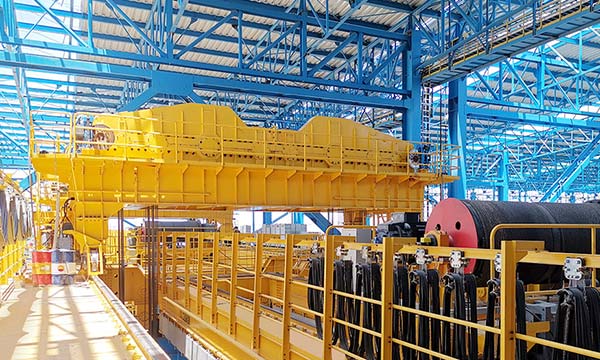
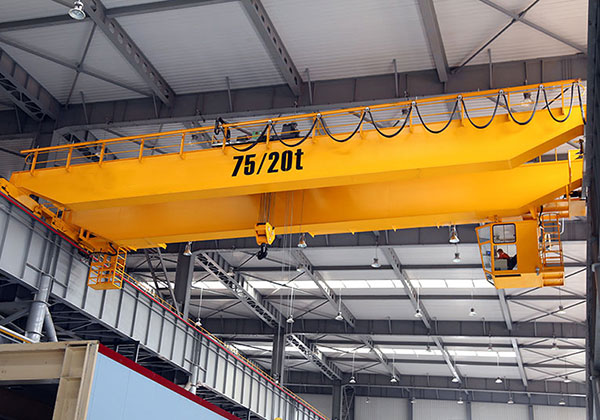
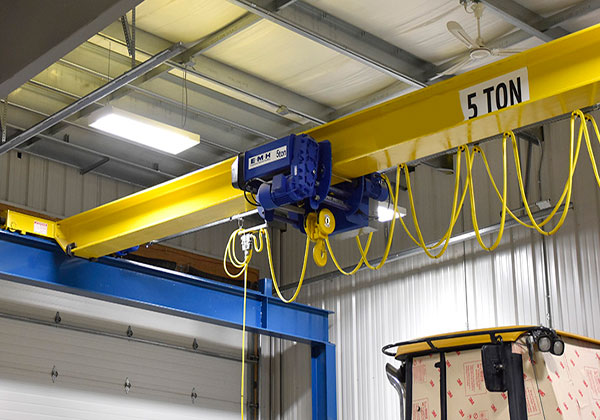
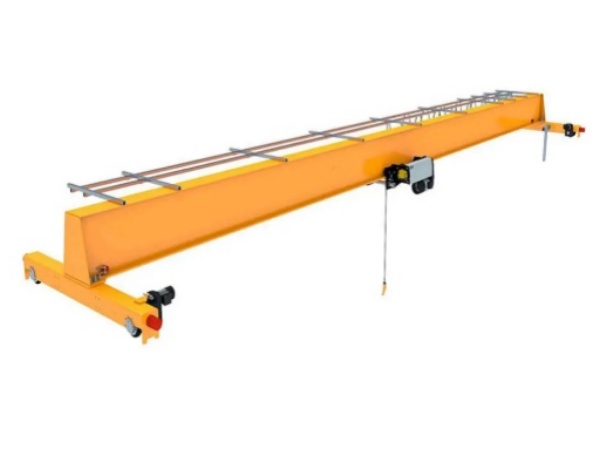
Overhead cranes, also known as bridge cranes, typically run along tracks mounted to a building’s ceiling or overhead beams, enabling them to lift and move materials across the entire width of the workspace. These cranes are often used in environments with limited space because they do not require the floor space that other types of cranes may require.
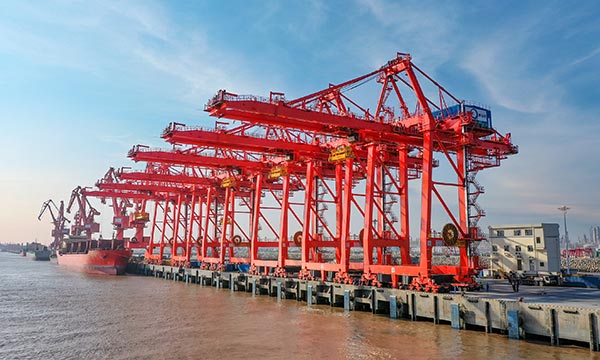
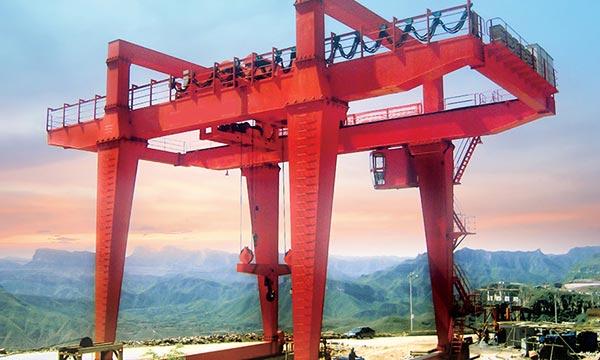
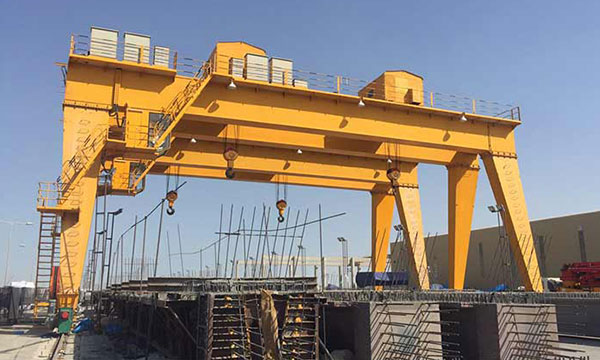
Gantry cranes, on the other hand, are designed to move along ground tracks, supported by legs that are typically wider than bridge cranes. Gantry cranes are better suited for outdoor settings or large facilities where bulky waste materials need to be transported great distances or over uneven terrain.
Both crane types can be equipped with a variety of lifting attachments, including hooks, grabs, and magnet systems to handle different types of waste materials, such as metal, plastic, or wood fragments.
.
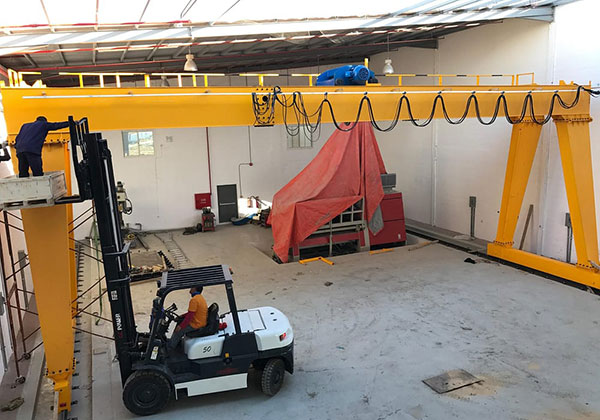
Scrap Handling Gantry Cranes
Why it’s important:
Choosing the right type of crane to handle your scrap is critical as it directly impacts operational efficiency, safety and costs.
Efficiency: The right type of crane ensures a smooth and uninterrupted workflow, especially when handling large or heavy scrap materials. For example, a bridge crane can move seamlessly throughout a space, reducing downtime during material handling. Meanwhile, a gantry crane is better suited for outdoor or wider sites, offering flexibility in mobility and load movement.
Safety: Scrap yard environments can be hazardous, with heavy materials and tight workspaces. The right crane will not only ensure safe handling of materials, but also minimize the risk of accidents. A bridge crane is able to operate above the work area and can clear obstacles on the ground, while a gantry crane is generally more robust and can stably handle larger, heavier scrap loads.
Cost-effectiveness: Choosing a crane that fits your specific scrap handling needs can reduce operating costs. Bridge cranes tend to be more cost-effective for smaller, confined spaces, while gantry cranes, while typically costing more upfront, offer greater long-term value in larger, more open areas where flexibility and maneuverability are key.
These differences can help make an informed decision that fits your specific operational needs, ensuring better overall performance for your waste handling.
Key Differences Between Overhead and Gantry Cranes
Design and Construction
The design and construction of overhead and gantry cranes are fundamental to determining their suitability for different waste handling tasks. Understanding the physical setup of each crane type can help you choose the most efficient option for your workspace and material handling needs.
Overhead Cranes
Overhead cranes are mounted inside a building or facility, with their bridge running along parallel tracks mounted to the ceiling or walls. This configuration allows the crane to move throughout the space without taking up valuable floor space.
Construction: The crane bridge is supported by tracks that are fixed to the building structure. These tracks serve as tracks for the crane’s wheels, allowing the crane to move from one end of the building to the other.
Mounting: Ideal for facilities where infrastructure is already in place (such as factories or warehouses), they take advantage of available height without taking up floor space.
Best Uses: Indoor environments, especially where floor space is at a premium and materials need to be delivered to a designated area. Overhead cranes are often used in steel mills, manufacturing plants, or workshops.
Gantry Cranes
In contrast, gantry cranes have a self-supporting structure. These cranes do not rely on the building’s infrastructure as they have their own supporting legs and travel along ground tracks.
Structure: The crane has a bridge frame, supported by legs (single or double), that moves along fixed tracks on the ground. The frame is usually made of steel for heavy-duty support.
Mounting: Gantry cranes can be installed outdoors or in large indoor spaces without the need for pre-existing overhead structures.
Best Uses: Outdoors or open areas such as scrap yards, construction sites, or large industrial sites where spatial flexibility is required. Their self-supporting design allows them to be placed almost anywhere there is ground space.
Mobility and Flexibility
Mobility and flexibility are important factors in crane selection, especially in environments where scrap is constantly moving and changing. The differences in how each crane moves and operates in different environments can directly affect productivity and operational efficiency.
Overhead Cranes
Overhead cranes are primarily designed for indoor use or in environments where there is a fixed structure to support their installation.
Mobility: These cranes move along fixed tracks mounted on the ceiling or wall of a building. The crane’s movement is limited by the span of these tracks, which means it cannot be easily moved once installed.
Use Cases: Ideal for situations where space is limited but vertical movement is required, such as factories or warehouses with small, cramped spaces.
Best For: Indoor material handling that requires precise, repeatable movement, such as assembly lines, small scrap yards, or repair facilities.
Gantry Cranes
Gantry cranes are designed to be more flexible in their movements, making them ideal for large outdoor applications or areas that require movement across different spaces.
Mobility: These cranes can move over a large area without the limitations of fixed overhead tracks. Their legs can be mounted on tracks that run across the ground, so they can move great distances, even across uneven terrain.
Use Cases: They can be used in both indoor and outdoor environments, giving them the flexibility to handle scrap materials in large yards or construction sites.
Best For: Sites that need to move materials to large, open areas, such as scrap yards, shipyards, or construction areas. Gantry cranes are also ideal for sites that need to relocate the crane to different areas or regions within a facility.
Weight and Load Distribution
The way a crane handles weight and distributes its load plays a major role in its efficiency, stability, and overall suitability for a specific scrap handling task. Understanding load distribution helps ensure that the crane is designed to match the weight and nature of the scrap being handled.
Overhead Cranes
Overhead cranes are designed to evenly distribute the weight of the load across the bridge and supporting rails. This feature makes them ideal for medium-weight applications.
Weight Handling: Overhead cranes are ideal for handling lighter to medium-weight scrap materials, such as smaller metal parts, components, and nonferrous materials.
Load Distribution: Weight is evenly distributed across the bridge, ensuring smooth movement, especially when lifting materials that do not exceed the crane’s rated capacity.
Best Uses: Lifting scrap that is consistent in size and weight, such as small metal shavings, plastics, or medium scrap fragments in factories or smaller indoor scrap yards.

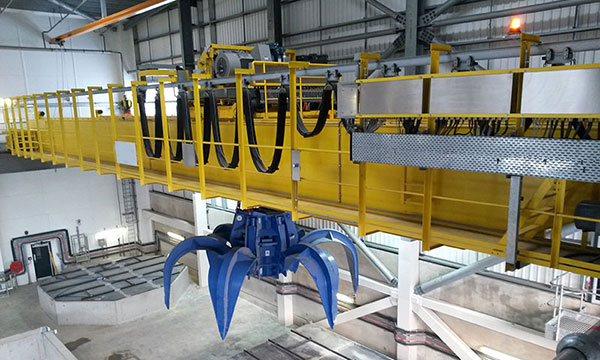
Overhead Cranes for Scrap Handling
Gantry Cranes
Gantry cranes handle larger and heavier loads by distributing the weight across their frame and outriggers. This design gives them exceptional strength and stability when handling heavy materials.
Weight Handling: Ideal for lifting larger scrap materials such as steel beams, large metal drums, or other very heavy and bulky industrial scrap.
Load Distribution: The crane’s outriggers provide stability, helping to evenly distribute the weight and ensure the crane can handle the stress of a heavy load without the risk of tipping over or structural strain.
Best Uses: Handling heavy scrap materials such as large, bulky industrial scrap, scrap metal piles, or large containers that require a higher load capacity from the crane to move efficiently.
Summary: Overhead cranes are best suited for narrow indoor spaces and lighter scrap handling where weight distribution and space-saving design are key. Gantry cranes excel in outdoor expansive environments where maneuverability and heavy load handling are required for scrap handling that requires strength and flexibility over a large area.
Advantages of Overhead Cranes in Scrap Handling
Overhead cranes offer several unique advantages when handling scrap in a confined, controlled or indoor environment. Their design, functionality and efficiency can significantly change the way scrap is moved, stored and handled within a facility.
Space Efficiency
One of the most notable advantages of overhead cranes is their ability to save valuable floor space, which is critical for facilities with limited space.
Track System: Overhead cranes run on suspended tracks mounted to the ceiling or upper beams of a building. This means they do not take up any floor area, freeing up floor space for scrap storage, machinery or other operations.
Ideal for Tight Spaces: In environments where floor space is at a premium – such as warehouses, steel mills or scrap yards that need to store large amounts of scrap in a limited area – overhead cranes offer an efficient solution for material handling.
Space Optimization: The ability to move materials above the workspace makes optimal use of available floor area, making it easier to keep areas organized and provide clear pathways for workers and equipment.
Ideal for Controlled Environments
Overhead cranes are ideal for environments where precision, safety and space constraints are key factors during material handling.
Steel Mills and Processing Plants: Overhead cranes are commonly used in steel mills, foundries, warehouses, and scrap processing plants where large scrap materials need to be moved in a controlled environment.
Advantages of Controlled Spaces: These environments often have specific overhead clearance requirements and tight space restrictions. Overhead cranes provide the flexibility to move materials overhead, allowing workers to safely perform other tasks at ground level.
Safe Operation: The ability to move scrap above the work area reduces congestion on the shop floor, improves personnel safety, and better organizes the scrap handling process.
Precision and Speed
Overhead cranes are designed to provide precise control over the movement of scrap, allowing for faster, more efficient operations in indoor environments.
Precision in Movement: Overhead cranes are ideal for tasks that require precise control, such as moving scrap between processing stations, sorting areas, or storage bins. The ability to precisely move scrap ensures that production or processing is not delayed.
Speed of Operation: Overhead cranes can quickly move scrap within a workspace. This speed is particularly beneficial when material needs to be quickly transported between processing stages or when smaller scrap parts need to be processed quickly.
Improved Productivity: The combination of precision and speed enables overhead cranes to significantly improve the overall efficiency of waste handling operations. Faster, more accurate material movement can reduce bottlenecks and increase workplace productivity.
Maintenance and Costs
Overhead cranes are generally lower maintenance and easier to install than other types of cranes, such as gantry cranes, especially in indoor settings.
Lower Maintenance Costs: Due to their design, overhead cranes generally require less maintenance than gantry cranes. The components are generally simpler, with fewer moving parts exposed to the outdoor environment, which reduces long-term wear and tear. Regular maintenance tasks such as lubrication and inspections are generally easier to perform.
Easier Installation: Overhead cranes can often be installed with fewer structural changes to existing buildings. If the facility already has a suitable ceiling structure, installation can be faster and more cost-effective, reducing upfront costs.
Cost Savings in Indoor Settings: Overhead cranes are often a more cost-effective option for facilities with limited space, as they can provide a better return on investment than floor-standing or large cranes that require more extensive installation and maintenance.
In summary:
Space efficiency: Overhead cranes free up valuable floor space in compact environments, making them ideal for limited indoor spaces such as warehouses and scrap processing plants.
Suitable for controlled environments: Their design is particularly suitable for controlled indoor environments with strict clearance requirements and safety issues.
Precision and speed: Overhead cranes provide fast, precise material handling, increasing productivity and reducing delays in scrap handling.
Maintenance and cost: Lower maintenance costs and simpler installation make overhead cranes a cost-effective solution for indoor scrap handling operations.
Advantages of gantry cranes in scrap handling
Gantry cranes offer unique advantages in scrap handling, especially in outdoor environments where flexibility, heavy-load capacity and cost-effectiveness are critical. Their rugged design and versatility make them ideal for large open areas and heavy material handling.
Outdoor heavy-duty scrap handling
Gantry cranes are designed to handle large volumes of scrap in outdoor environments, making them an excellent choice for scrap yards and metal processing plants that handle heavy materials.
Designed for open-air environments: Unlike overhead cranes, gantry cranes do not rely on building structures for support. Their free-standing frame and ground track system make them ideal for use in open yards, scrap yards, construction sites, and other outdoor spaces.
Ideal for scrap yards: Gantry cranes can withstand harsh outdoor conditions, including exposure to weather elements such as rain, wind, and temperature fluctuations, making them a top choice for scrap yards that operate outdoors year-round.
Efficiently handle large volumes of scrap: In large scrap handling operations, gantry cranes can easily handle large pieces of scrap, such as large metal beams, vehicles, industrial equipment, and heavy machinery parts.
Portability and flexibility
One of the standout features of gantry cranes is their ability to move freely, providing greater flexibility for operations within large open spaces.
Easy to relocate: Gantry cranes are designed to be portable, meaning they can be easily moved from one location to another within a large site or facility. This mobility is especially beneficial for scrap yards that need to move materials to a wide area.
Suitable for different workstations: Gantry cranes have a wide range of uses due to their ability to transport scrap between different workstations or areas of a facility. Whether moving scrap from one end of the yard to the other or switching between different processing areas, gantry cranes can be adjusted as needed to accommodate different tasks.
Adaptability in Changing Environments: The mobility of a gantry crane allows it to quickly reposition itself to accommodate changing workflows or to handle large, heavy scrap that needs to be moved to different processing areas without interrupting operations.
Heavy-Load Capacity
Gantry cranes excel at lifting and transporting heavier scrap materials, making them ideal for environments where heavy material handling is a priority.
Handling Large, Heavy Scrap: Gantry cranes are used to lift and move extremely heavy loads that other cranes have trouble handling. They are ideal for handling large scrap materials such as oversized steel beams, abandoned vehicles, industrial equipment, and large machinery parts.
Excellent Load Distribution: The crane’s frame and support legs provide excellent load distribution, allowing gantry cranes to lift and transport heavy loads without compromising stability or safety.
Heavy-Load Versatility: Gantry cranes can easily handle scrap materials of all sizes, from large metal structures to heavy machinery parts, ensuring they can meet the diverse needs of scrap yards and metal recycling facilities.
Cost-Effective for Large Areas
Gantry cranes are a cost-effective solution, especially in large outdoor environments where wide areas need to be covered.
Covering Large Sites: Gantry cranes have the ability to span large distances, allowing them to cover large areas without the need for multiple cranes. This reduces the overall cost of equipment and improves efficiency by reducing the amount of equipment required for large scrap handling operations.
Lower Capital Investment: For scrap yards or metal processing facilities, investing in a few gantry cranes is more cost-effective than installing multiple overhead cranes or other lifting equipment. The ability to handle heavy loads and cover large areas with a single crane maximizes return on investment.
Minimal Infrastructure Requirements: Unlike overhead cranes, which require major structural modifications to buildings, gantry cranes can be set up with minimal setup in open spaces, reducing overall infrastructure costs.
In Summary:
Outdoor and Heavy Scrap Handling: Gantry cranes are ideal for handling large volumes of waste outdoors, including large and heavy materials such as industrial equipment and scrap metal.
Portability and Flexibility: Their mobility enables them to be relocated across a wide yard and adjusted as needed for different tasks, providing greater operational flexibility.
Heavy-load Capacity: Gantry cranes are designed to lift and transport large, heavy scrap materials, ensuring safe and efficient handling of demanding scrap materials.
Cost-effectiveness for large areas: Gantry cranes offer an economical solution for large scrap yards and outdoor facilities, reducing the need for multiple cranes and minimizing infrastructure costs.
Choosing the right crane for your scrap handling needs
Selecting the right crane to handle your scrap depends on several key factors, such as the environment, load capacity, and available space. Understanding how different types of cranes perform in different environments and for specific scrap types can help ensure your operations are efficient, safe, and cost-effective.
Indoor vs. Outdoor Use
The first step in choosing the right crane is to consider the operating environment. Different types of cranes are designed for different uses, whether indoors or outdoors, based on their structure and mobility.
Overhead Cranes
Overhead cranes are best suited for indoor applications, especially in facilities where overhead clearance and pre-existing structures are critical.
Ideal for: Steel mills, warehouses, scrap processing plants, and any confined indoor space with fixed infrastructure.
Why Choose: They are fixed to the building structure, saving floor space and are ideal for use in tight spaces with high vertical clearance.
Limitations: Because overhead cranes have a fixed track system and rely on building infrastructure, they cannot be used outdoors or in large open areas.
Gantry Cranes
Gantry cranes are designed for outdoor use and are ideal for large scrap yards, recycling plants, and expansive industrial sites.
Ideal for: Open areas where space and flexibility are critical, such as scrap yards, large scrap processing plants, construction sites, and metal recycling facilities.
Why Choose: Their free-standing frame structure allows for mobility, so they can be easily repositioned in large open environments to handle materials both indoors and outdoors.
Limitations: They are not usually suitable for confined spaces with limited vertical clearance.
Load Capacity and Scrap Type
Another key consideration is the type and weight of scrap you need to handle. Different types of cranes are designed to effectively manage different scrap loads and sizes.
Overhead Cranes
Overhead cranes are ideal for handling lighter scrap or controlling medium-sized loads.
Best for: Handling smaller, lighter scrap materials such as metal shavings, non-ferrous metals, or small to medium-sized parts in a controlled, indoor environment.
Why Choose: They provide precise control over smaller loads, making them ideal for applications that require precise, repeatable movement between workstations.
Limitations: Overhead cranes may not be suitable for transporting very heavy or bulky scrap materials, as they generally have lower load capacities than gantry cranes.
Gantry Cranes
Gantry cranes are designed to handle heavy, bulky, and irregular scrap materials.
Best for: Large, heavy scrap materials such as industrial machinery, scrapped vehicles, steel beams, and large metal structures.
Why Choose: Their sturdy frames and high load capacities allow them to handle oversized, irregular scrap materials common in scrap yards and heavy recycling operations.
Limitations: They are not as precise as bridge cranes when handling smaller, more delicate materials.
Space Considerations
The available space in your facility or outdoor yard is critical to determining the best crane for your needs. Different types of cranes are optimized for various space limitations.
Bridge Cranes
Overhead cranes are ideal for maximizing vertical space in tight indoor environments.
Ideal Uses: Facilities where floor space is limited and vertical movement is critical, such as small warehouses, manufacturing plants, or indoor scrap handling stations.
Why Choose: They save floor space by running on elevated tracks, allowing you to store more scrap materials on the ground while efficiently moving materials to overhead.
Limitations: They require buildings with adequate overhead clearance and cannot be used in open outdoor areas.
Gantry Cranes
Gantry cranes are ideal for large open areas where space is plentiful and mobility is required.
Ideal for: Large scrap yards, recycling plants, or construction sites with wide open areas that require heavy material handling.
Why Choose: Their ground track system allows for flexible movement over a wide area and can be easily repositioned in the yard to handle scrap in different locations.
Limitations: They require a large footprint and may not be suitable for smaller or cramped environments.
To summarize:
Indoor vs. outdoor use: Bridge cranes are best suited for cramped indoor spaces, while gantry cranes are ideal for outdoor and large open areas where flexibility and mobility are critical.
Load Capacity and Scrap Type: Bridge cranes can precisely handle lighter scrap and medium loads, while gantry cranes are better suited for heavy, large, and irregular scrap types.
Space Considerations: Bridge cranes maximize vertical space in tight environments, while gantry cranes are ideal for large open areas where space and mobility are needed to handle scrap.
Cost Considerations and Installation
When choosing between a bridge crane and a gantry crane for scrap handling, cost and installation factors are critical. The two types of cranes have different cost structures and installation requirements, which can affect your overall budget and operational timeline.
Bridge Cranes
Bridge cranes typically have a higher initial cost and installation complexity, especially in existing facilities. However, depending on the needs of your facility, the benefits they offer may be worth these upfront costs.
Cost: Overhead cranes are generally more expensive to install, especially if they are being added to an existing building.
Factors that influence cost: Structural modifications are required to accommodate the crane, such as reinforcing the building’s ceiling or adding support beams, which can significantly increase costs.
Additional costs: Track systems, cranes, and control systems also add costs. The total price will vary depending on the capacity of the crane and the specific requirements of the facility.
Installation time: It is generally faster and simpler to install an overhead crane in a new facility because the infrastructure can be specifically designed to support the crane system.
New construction: In new construction, the installation process can be integrated into the construction of the facility, minimizing downtime and ensuring smoother operations.
Existing construction: In existing structures, installation may require significant modifications, including reinforcing walls or ceilings to support the crane, which can extend time and increase costs.
Gantry cranes
Gantry cranes are generally a more cost-effective and flexible solution, especially in outdoor environments. They generally have a faster and simpler setup process than overhead cranes.
Cost: Gantry cranes generally have a lower initial purchase cost than bridge cranes.
Lower initial investment: The frame structure of a gantry crane combined with its ground track system eliminates the need for expensive building modifications, which reduces purchase and installation costs.
Operating costs: While the initial cost is lower, operating costs can increase over time, especially for large gantry crane systems used in outdoor environments. Maintenance, fuel, and wear and tear on components from exposure to the elements can increase long-term costs.
Installation time: Gantry cranes are generally faster and easier to install than bridge cranes because they do not require any modifications to existing buildings or facilities.
Quick installation: Gantry cranes are designed to be assembled on site and do not require pre-existing structures for support, which reduces installation time and costs.
Flexible installation: They can be installed in a variety of environments, such as outdoor scrap yards, industrial sites, or large warehouse facilities, with little to no infrastructure changes.
To recap:
Bridge cranes: Bridge cranes are more expensive to install, especially in existing buildings because of the structural modifications required, but are faster to install in new facilities. However, they require a higher initial investment and a more complex installation procedure.
Gantry Cranes: Gantry cranes generally have a lower initial cost and shorter installation time, especially in outdoor environments or large yards. However, operating costs can be higher for larger systems, especially in exposed areas.
Safety Considerations
Safety is a top consideration when selecting a crane for a scrap handling operation, as both bridge cranes and gantry cranes have their own advantages and challenges in terms of safety and adaptability. These factors help reduce risk and ensure that the crane system operates smoothly.
Bridge Cranes
Overhead cranes are often used in more controlled indoor environments with stable operating conditions, which can lead to an overall safer environment for crane operations.
Advantages:
Stable Environment: Bridge cranes perform best in controlled indoor environments, such as warehouses or processing plants, where external factors such as weather or ground conditions are not an issue.
Precision Handling: Bridge cranes have excellent precision when lifting and moving scrap, reducing the risk of accidents due to misaligned loads or uncontrolled movement. This makes them ideal for handling smaller or more delicate scrap materials.
Reduced risk of collision: As overhead cranes move along fixed tracks above the work area, they help minimize the risk of accidental collisions with people or equipment, helping to create a safer work environment.
Disadvantages:
Limited adaptability: Overhead cranes are fixed to building structures and are not easily movable. This limits their ability to adapt to changing locations or tasks, which can be a safety hazard in environments that require high maneuverability or moving large pieces of scrap.
Space and clearance issues: In environments with limited headroom, there can be a risk of accidents if the crane’s lifting height is not adjusted properly or the work area is crowded.
Gantry cranes
Gantry cranes are versatile and are ideal for handling scrap in outdoor environments or large sites, but they also present certain safety challenges due to their susceptibility to weather and environmental factors.
Advantages:
Versatility in outdoor conditions: Gantry cranes are designed to handle a variety of conditions, whether it is a scrap yard, construction site or outdoor metal processing plant. They can be adapted to handle scrap of different sizes and weights, offering a wide range of applications.
Flexibility: Gantry cranes can be easily moved around a large outdoor yard or facility, allowing for greater operational flexibility. This adaptability is useful in environments where the crane must handle a variety of waste materials in different locations.
Safety in Large Open Areas: Gantry cranes are well suited to outdoor environments, where large open spaces provide clear views and safer operations, reducing the risk of collisions with obstacles or other workers.
Disadvantages:
Weather-Related Risks: Gantry cranes in outdoor environments are more susceptible to weather-related safety issues. Wind, rain, and extreme temperatures can affect the crane’s stability, control, and operator safety.
Wind: Strong winds can affect the crane’s ability to safely handle loads, especially when handling larger or heavier waste materials. Gusts can also make the crane more difficult to maneuver, increasing the risk of accidents.
Rain and Moisture: Rain or excessive moisture can reduce traction and stability, especially for gantry cranes operating on gravel or uneven ground. It can also increase the risk of electrical failures or other weather-related hazards.
Ground Conditions: Outdoor ground conditions, such as uneven or soft soil, can affect the crane’s stability. Special attention must be paid to the surface the crane is operating on to prevent accidents related to movement or sinking.
Conclusion: Overhead cranes: Offer stability and precision in a controlled indoor environment where external factors will not interfere with the crane’s operation. However, they are less suitable for environments where the crane needs to change position or mission frequently. Gantry cranes: Offer great flexibility and versatility, especially in large outdoor areas, but are more susceptible to weather-related challenges such as wind, rain and uneven ground conditions, which can affect the crane’s safety and operational efficiency.
Maintenance and service life
When choosing the right scrap handling equipment, the maintenance requirements and service life of the crane are important factors to consider. Both overhead cranes and gantry cranes have specific needs depending on the environment in which they are used, and maintenance plays a key role in ensuring reliable performance and maximizing service life.
Overhead cranes
Overhead cranes are generally easier to maintain in a controlled indoor environment, but still require care to ensure smooth operation and avoid subsequent problems.
Maintenance:
Indoor environment: Overhead cranes in indoor environments are less susceptible to external factors such as dust, moisture or extreme temperatures. This generally results in reduced maintenance requirements compared to outdoor cranes.
Less frequent maintenance: In a controlled environment, crane components such as the hoist, trolley, and track system experience less wear, extending the intervals between maintenance inspections.
Environmental exposure: If used in harsh conditions, such as factories with high dust levels, temperature fluctuations, or corrosive substances, overhead cranes may require more frequent maintenance to prevent failures.
Longevity:
Extended service life in a controlled environment: Overhead cranes can have a very long service life if properly maintained and operated in a stable indoor environment. With regular inspections and fine-tuning, these cranes can last for decades without major problems.
Risk of shortened service life in harsh conditions: If used in environments with high humidity, corrosive substances, or extreme temperatures, the life of an overhead crane may be shortened due to greater wear on structural components.
Gantry Cranes
Gantry cranes are often used in outdoor environments and require more regular maintenance to ensure safe and efficient operation, especially in areas exposed to the elements.
Maintenance:
Outdoor Use: Gantry cranes working outdoors are more susceptible to environmental factors such as rain, snow, dust, and temperature changes, which can accelerate the wear of key components.
Regular Maintenance Needs: Because gantry cranes are exposed to the elements, they require more frequent inspection, lubrication, and maintenance to keep moving parts such as wheels and tracks in good condition. Regular inspections for corrosion and damage are essential.
Corrosion Control: In coastal or high-humidity areas, gantry cranes should be regularly treated with anti-corrosion coatings or galvanized to prevent rust and extend the life of metal components.
Longevity:
Rugged Design for Outdoor Conditions: Although gantry cranes experience increased wear due to exposure to the elements, gantry cranes generally feature heavy-duty components designed to withstand outdoor conditions. This rugged construction can extend the life of the crane if it is regularly maintained and kept in good working condition.
Long-term use potential: With proper care, such as regular cleaning, lubrication, and addressing minor issues before they become serious, gantry cranes can last for years, even in harsh outdoor conditions. Their durable design and easy-to-maintain features help extend their service life.
Summary:
Overhead cranes: They require less frequent maintenance in indoor environments and have a longer service life in controlled environments. However, they are more susceptible to wear and tear when used in harsh environments, which may shorten their service life.
Gantry cranes: They require more regular maintenance, especially when operating outdoors, as they are exposed to dust, moisture, and other environmental factors. However, their rugged design allows them to withstand harsh conditions and have a long service life if properly maintained.
Conclusion: Which crane is best for your scrap handling needs?
The choice between a bridge crane and a gantry crane for scrap handling depends on several important factors, including the type of scrap being handled, the operating environment, available space, and long-term maintenance requirements.
Key considerations reviewed:
Bridge cranes:
Best suited for: Indoor, space-constrained environments where high precision, control, and efficiency are key.
Advantages: Bridge cranes are ideal for space-constrained environments, such as steel mills, warehouses, or processing plants. Their compact design saves valuable floor space, while their ability to handle lighter to medium-weight scrap makes them ideal for operations that require precision and speed.
Limitations: Not suitable for environments that require frequent relocation or heavy scrap handling, especially outdoors or in large open spaces.
Gantry Cranes:
Best for: Outdoor and heavy scrap handling tasks, especially at scrap yards or large industrial sites.
Pros: Gantry cranes excel in open spaces, offering unmatched flexibility, maneuverability, and the ability to handle large, heavy scrap. Their rugged design makes them highly adaptable to a variety of scrap types and sizes, while their ability to be easily moved within the yard or between workstations greatly increases operational versatility.
Limitations: While gantry cranes are well suited for heavy-duty work, they require more frequent maintenance due to exposure to weather and outdoor conditions, and they may not be the best choice for indoor environments or locations with limited space.
Final Recommendation:
Ultimately, the choice between an overhead crane and a gantry crane depends on the layout of your facility, the scrap you handle, and your operational goals. If you are handling medium to lighter scrap in a confined indoor space and require precision, then an overhead crane may be the best choice. For large, open outdoor areas where mobility and the ability to move heavy, bulky scrap is critical, then a gantry crane is a more appropriate choice.
Consider your space, load capacity requirements, budget, and long-term sustainability when making your final decision. Both types of cranes offer different advantages, but the best choice will match your specific operational needs and future growth plans.
Key Takeaways
When selecting a crane for scrap handling, it is important to match the equipment to your operational needs, facility layout, and the type of scrap you are handling.
Quick Guide to Decision Making:
Overhead Cranes:
Best for: Indoor, space-constrained environments (e.g., steel mills, warehouses) where precision, control, and efficient use of vertical space are critical.
Key Benefits: Compact design, high precision, ideal for handling medium to lighter scrap loads in a controlled environment.
Gantry Cranes:
Best suited for: Large, open-air facilities such as scrap yards, recycling plants or heavy industrial sites that require flexibility, maneuverability and the ability to lift larger, heavier waste materials.
Key Benefits: Greater maneuverability and adaptability to a variety of waste handling tasks, with the ability to move large loads over a large area.
Choosing a crane that meets your facility’s specific needs ensures it can efficiently and safely support your waste handling operations.