
Explosion-proof overhead cranes: features, applications and safety solutions
Explore the key features, certifications, industry applications and safety benefits of explosion-proof overhead cranes for hazardous environments such as oil and gas.
Explosion-proof overhead cranes: Key features and industry applications
Safety is paramount in industries where volatile materials and hazardous environments are present. Explosion-proof overhead cranes play a vital role in ensuring that material handling processes are not only efficient but also safe. These specialized cranes are designed to operate safely in environments where there is a risk of explosion due to the presence of flammable gases, vapors or dust. Such environments include oil and gas production sites, chemical plants, refineries and pharmaceutical plants.
While traditional overhead cranes are an essential part of industrial operations, in explosive environments, standard cranes can pose significant safety risks. Explosion-proof cranes are designed to reduce these risks, providing a solution that helps prevent sparks, overheating and other potential hazards that could cause an explosion. This article explores the basic features of explosion-proof overhead cranes, the standards they must meet and their applications across industries, particularly in the high-risk oil and gas industry.
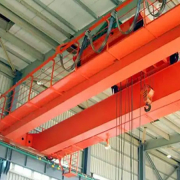
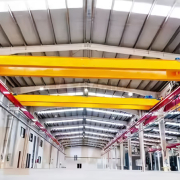
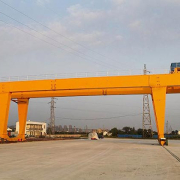
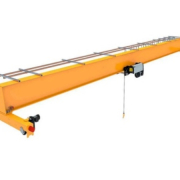
Explosion-proof overhead cranes
What are explosion-proof cranes?
Explosion proof cranes are specifically designed to operate safely in environments where explosive atmospheres consisting of gases, vapors or dust are present. These cranes are constructed with special safety features to eliminate potential ignition sources that could cause an explosion. By preventing sparks, overheating or other electrical issues from igniting hazardous materials, explosion proof cranes help protect people and property.

Differences Between Standard and Explosion-proof Cranes
Standard overhead cranes are designed for general industrial use and are used to handle materials such as metals, equipment, and raw materials without regard to hazardous environments. In contrast, explosion-proof cranes are equipped with advanced safety features such as:
- Explosion-proof motors: The motors are designed to prevent sparks that could ignite volatile gases.
Sealed electrical systems: This prevents electrical components from releasing sparks or heat. - Non-sparking components: Many parts, such as switches, gears, and circuit boards, are made of non-sparking materials such as bronze, aluminum, or stainless steel.
- These enhanced features make explosion-proof cranes suitable for use in hazardous environments where a typical crane could cause an explosion.
Explosion-proof Classification System
Explosion-proof cranes are designed according to international standards that specify whether they are suitable for use in a specific environment. The two most common classification systems include:
- ATEX (Explosive Atmospheres): This EU directive specifies safety requirements for electrical and mechanical equipment used in explosive environments. ATEX certified cranes are classified according to the area in which they can safely operate (e.g., Zone 0, Zone 1, or Zone 2 for gases and vapors).
- IECEx (International Electrotechnical Commission Explosive Atmosphere Standard): IECEx is a global standard similar to ATEX that defines the safe operation of electrical and mechanical systems in explosive atmospheres.
Each classification corresponds to a specific level of safety for different types of explosive atmospheres, such as those where flammable substances are present continuously, intermittently, or occasionally.
Key Features of Explosion Proof Overhead Cranes
Explosion Proof Motors and Components
The motor is the heart of any crane and for explosion proof models, the motor must be designed to prevent ignition. This involves constructing a sealed enclosure and special thermal protection for the motor. Explosion proof motors are usually housed in a flameproof enclosure that contains any sparks or heat generated, preventing them from coming into contact with hazardous gases or dust. The key design feature is to ensure that the motor does not overheat or emit sparks that could ignite the explosive atmosphere.
Specialized Materials and Coatings
Explosion proof cranes are made of corrosion and impact resistant materials, which are essential for long-term durability in harsh environments. Materials such as stainless steel, aluminum, and specially coated metals can be used to withstand the rigors of explosive environments.
- Corrosion resistance: In industries such as oil and gas or chemical processing, cranes are exposed to harsh chemicals, moisture, and extreme temperatures. Anti-corrosion coatings help protect crane components from rust and damage, extending the life of the crane.
- Flame retardant coatings: Materials used for crane frames, motors, and other components often have flame retardant coatings to prevent ignition in explosive environments. These coatings also help maintain the integrity of the crane and reduce the risk of sparks during operation.
Electrical Systems and Circuits
Explosion-proof cranes must be equipped with electrical systems that are safe in explosive environments. These electrical systems are designed to ensure that electrical components do not emit sparks, arcs or heat, thereby reducing the risk of explosion.
- Intrinsic Safety: Circuits are designed to be “intrinsically safe,” meaning that they cannot release enough energy to cause ignition in an explosive environment. This is achieved by limiting the voltage and current levels of the circuit design.
- Isolation and Protection: Circuits are often designed with additional isolation measures and protective barriers to prevent electrical faults from spreading to other parts of the crane or the surrounding environment.
Structural Design Considerations
The structural design of explosion-proof overhead cranes must accommodate the unique challenges of operating in hazardous areas. Cranes are often designed to:
- Reinforced Frame: Explosion-proof cranes feature a reinforced frame to withstand the potential impact of nearby explosions and prevent damage to critical crane components.
- Sealed Components: All moving parts, electrical components and connections are sealed to prevent the ingress of flammable gases or dust. This prevents any interaction between the crane machinery and the explosive atmosphere.
Explosion-proof Crane Certifications and Standards
Explosion-proof cranes must meet several stringent standards and certifications to ensure they can operate safely in hazardous environments. These certifications prove that the crane has been designed, tested and inspected to meet the necessary safety requirements.
ATEX Directive (EU)
The ATEX Directive applies to any equipment used in explosive atmospheres within the EU. Explosion-proof cranes that meet ATEX certification standards are classified according to their suitability for specific areas:
- Zone 0: An environment where explosive gases are present continuously or for long periods of time.
- Zone 1: An area where an explosive atmosphere may occur during normal operation.
- Zone 2: An environment where explosive gases are unlikely to occur but may occur under special conditions.
Each zone has different safety requirements, and explosion-proof cranes must be equipped and certified to operate safely in these areas.
IECEx Standards
IECEx is an international certification system with similar goals to ATEX. It ensures that equipment used in explosive atmospheres, including overhead cranes, is designed to prevent accidents. The certification includes a series of tests and inspections to verify the performance of the crane in explosive conditions.
NEC (National Electrical Code)
For the US market, the National Electrical Code (NEC) outlines safety standards for electrical installations in hazardous areas. Explosion-proof cranes must meet the specifications set by the NEC for equipment classified as used in hazardous environments by the Occupational Safety and Health Administration (OSHA).
Industry Applications of Explosion-proof Overhead Cranes
Explosion-proof cranes are essential in several industries where volatile gases, chemicals, or dust are present. These cranes are specifically designed to reduce risks in environments where even a small spark can cause a catastrophic explosion. Here are some of the major industries that benefit from explosion-proof cranes:
Oil and Gas Industry
The oil and gas industry is one of the most critical industries that require explosion-proof cranes. Exploration, drilling, refining, and storage facilities often involve highly flammable materials, including natural gas, crude oil, and other volatile substances.
- Exploration and Drilling: Offshore oil rigs and drilling platforms operate in highly hazardous environments, often with the presence of flammable gases. Explosion-proof cranes are used to lift heavy drilling equipment, pipes, and other materials that can cause explosions if not handled properly.
- Refining and Production: Refineries process crude oil into usable products such as gasoline, diesel, and aviation fuel, creating potentially explosive environments due to the presence of volatile chemicals. Explosion-proof cranes in these facilities ensure safe handling of chemicals and heavy equipment.
- Storage and Distribution: Cranes are also used in tanks and distribution areas where flammable substances are stored. They must be explosion-proof to prevent any electrical sparks from igniting fumes or gases.
Chemical Manufacturing
Chemical plants handle a variety of volatile chemicals and solvents that can easily catch fire or explode under certain conditions. Explosion-proof cranes are essential in these environments for safely handling flammable chemicals, powders, and gases.
- Handling Hazardous Chemicals: Explosion-proof cranes in chemical plants are used to lift and transport hazardous materials such as solvents, acids, and other flammable chemicals. The cranes are designed to ensure that they do not generate sparks or heat that could cause combustion.
- Explosion-proof Hoisting Systems: In facilities where powders are mixed, transported, or processed, explosion-proof hoists help prevent the ignition of combustible dusts, which is often a concern in many chemical manufacturing plants.
Mining and Petrochemical Industries
Explosion-proof cranes are used in the mining and petrochemical industries where explosive gases or dusts are present. These cranes help to safely transport mining equipment, raw materials, and fuels.
- Underground Mining: Cranes used in underground mining must be able to operate in confined spaces because methane and other gases can pose an explosion risk. Explosion-proof cranes ensure safe operation in these environments.
- Petrochemical Refineries: Similar to the oil and gas industry, petrochemical refineries handle flammable chemicals and gases. Explosion-proof cranes in these facilities manage everything from raw materials to refined products, ensuring that no equipment failure can lead to a dangerous incident.
Pharmaceutical and Food Processing
Although not generally considered hazardous industries, pharmaceutical and food processing environments can be highly explosive due to the presence of flammable gases, solvents, and powders.
- Pharmaceutical Industry: In pharmaceutical production, flammable chemicals are often used during drug formulation and manufacturing. Explosion-proof cranes are used to lift raw materials, move large drums of chemicals, and transport finished products while maintaining safety standards.
- Food Processing: In food production, volatile solvents are used during flavoring, preservation, and extraction. Designed to prevent sparks that could ignite flammable vapors, explosion-proof cranes help ensure safe handling of raw materials.
Power Generation (Nuclear or Coal)
Explosion-proof cranes are essential for power plants where flammable dust or gases may accumulate. These cranes are often used in nuclear power plants, coal power plants, and other power generation facilities to safely move heavy equipment, fuel, and other materials.
- Coal Handling: Coal power plants generate combustible dust when handling coal, which poses a significant risk of explosion. Explosion-proof cranes help move coal from storage to processing areas without stirring up dust or causing explosions.
- Nuclear Power Plants: In nuclear facilities, it is critical to follow strict safety protocols. Explosion-proof cranes are used to move equipment, reactors, and waste materials, ensuring that there is no risk of ignition in environments where even the smallest spark could have serious consequences.
Safety & Risk Mitigation
Explosion-proof overhead cranes are designed with a variety of safety features to prevent accidents and protect personnel in hazardous environments. However, proper maintenance and risk mitigation strategies are essential to maintaining their safety and reliability.
Key Safety Features of Explosion-proof Cranes
- Overload Protection: Explosion-proof cranes are often equipped with overload protection mechanisms to prevent the crane from exceeding its load capacity. This feature helps avoid stress on crane components and prevents accidents due to structural failure.
- Emergency Stop System: These cranes have an integrated emergency stop function that allows the operator to quickly stop the crane in the event of a malfunction or unsafe condition. This is particularly important in environments with a higher risk of explosion.
- Fail-safe Mechanisms: In addition to the emergency shutdown system, explosion-proof cranes also have fail-safe mechanisms built into the electrical system and control panel to ensure that the crane remains operational during a power failure or malfunction.
- Hazardous Area Signs and Warning Systems: Explosion-proof cranes typically have built-in visual and audible warning systems to alert the operator and nearby personnel when the crane is operating under hazardous conditions or requires maintenance.
Reduce the risk of crane failure or malfunction
To ensure explosion proof cranes operate reliably, a comprehensive risk mitigation strategy is essential. This includes preventive maintenance practices, operator training, and routine inspections to detect potential problems early.
- Preventive maintenance: Regular maintenance programs should include inspections of all critical systems, such as motors, wiring, and safety mechanisms. This helps detect wear or potential failure points before they cause problems.
- Training and certification: Operators must receive comprehensive training on the specific operation of explosion proof cranes, with a focus on understanding the unique risks of working in explosive environments. Certification programs ensure operators are familiar with safety protocols and emergency response procedures.
- Inspection and testing: Regular inspection and testing of explosion proof cranes is essential to ensure compliance with safety standards. Cranes should undergo rigorous testing to check the integrity of electrical enclosures, seals, and other critical safety features.
Customization and integration with industrial systems
Explosion proof overhead cranes can be highly customized to meet the specific needs of different industries. Customization enables cranes to handle unique materials, meet space constraints, or operate in special environments. In addition, these cranes can be integrated with existing industrial systems to enhance automation, data tracking, and operational efficiency.
Customization to Meet Specific Industry Needs
- Load Capacity and Reach: Explosion-proof cranes can be designed with different load capacities, from light to heavy-duty systems, to handle the required materials. For example, a crane designed for an oil rig may require a higher lifting capacity and greater reach than a crane used in a chemical processing plant.
- Specialized Components: Depending on the application, the crane can be equipped with specialized components, such as high-temperature motors for extreme environments or spark-free lifting systems for delicate chemical handling.
Integration with Industrial Systems
- Automation and Control Systems: Modern explosion-proof cranes can be integrated with automated control systems to improve the overall efficiency of material handling. This includes integration with warehouse management systems, sensors, and remote monitoring systems to optimize crane performance.
- Real-time Data and Monitoring: Some explosion-proof cranes are equipped with real-time data tracking systems that monitor crane operations, load weights, and maintenance needs. This helps operators and maintenance teams identify potential problems ahead of time and ensure the crane remains in optimal working condition.
Maintenance, Inspections, and Lifespan
Regular Inspection and Maintenance Requirements
Regular inspections and maintenance are essential to ensure the longevity and safe operation of explosion proof cranes. Since explosion proof cranes operate in harsh environments, they are susceptible to wear and tear, and regular maintenance helps prevent unexpected failures.
- Inspection Focus Areas: Critical areas to inspect include motors, seals, wiring, and safety components. Operators should check for signs of corrosion, worn electrical insulation, or damaged seals, as these signs may allow hazardous gases to enter the crane’s internal systems.
- Maintenance Procedures: Standard maintenance includes lubricating moving parts, removing dust and debris from electrical components, and testing all safety features. All inspection and maintenance activities should be documented and performed by qualified personnel.
Longevity Best Practices
- Environmental Factors: Exposure to extreme temperatures, humidity, or corrosive chemicals can accelerate the deterioration of crane components. Proper coatings and protective gear can help prevent corrosion and damage caused by these environmental factors.
- Load Handling: Avoid overloading the crane or operating it outside of its design parameters. Proper load management ensures that the crane performs at its best and does not cause unnecessary stress on its components.
Challenges and Future Developments of Explosion-Proof Overhead Cranes
While explosion-proof overhead cranes offer significant safety benefits, they also present unique challenges and considerations that manufacturers and operators must address to ensure long-term reliability and efficiency.
Challenges in the Design and Operation of Explosion-Proof Cranes
- Complexity of Design and Customization: Designing an explosion-proof crane that meets all safety standards while also meeting the specific needs of a particular industry can be complex. This often involves balancing factors such as load capacity, environmental conditions, and integration with existing industrial systems. Customization can result in longer lead times and higher initial costs, which can be a barrier for some companies.
- Increased Maintenance Costs: While explosion-proof cranes are durable, they typically require more frequent maintenance than standard cranes due to the harsh environments in which they operate. The need for specialized components such as explosion-proof motors and seals can also increase costs. Regular inspections are essential, and any delays in maintenance can result in safety risks or reduced operational efficiency.
- Certification and Compliance: As safety standards continue to evolve, manufacturers must ensure that their explosion-proof cranes meet the latest regulations. The certification process can be time-consuming and costly, especially when there are multiple international standards to meet (e.g., ATEX, IECEx, NEC). This can be a challenge for companies operating in regions with varying certification requirements.
Innovations and Trends in Explosion-Proof Cranes
- Smart Technology and IoT Integration: The future of explosion-proof cranes is closely tied to advances in smart technology. Sensors, Internet of Things (IoT) connectivity, and real-time data collection are increasingly being integrated into crane systems to monitor their health, efficiency, and performance. This enables predictive maintenance, reduces downtime, and prevents unexpected failures. For example, temperature sensors can track motor performance, and load sensors can help operators avoid overloading.
- Automation and Robotics: Automation is gaining momentum in hazardous industries, and explosion-proof cranes are no exception. Advanced control systems allow cranes to operate autonomously or with minimal human intervention. This is particularly beneficial in hazardous or confined environments where human intervention can be minimized. Automated cranes can work around the clock, reducing labor costs and increasing efficiency.
- Lightweight and Efficient Materials: Manufacturers are also exploring the use of lightweight, high-strength materials that reduce the overall weight of the crane while providing better durability and performance in harsh conditions. These materials can improve the energy efficiency of explosion-proof cranes, making them more sustainable and cost-effective over time.
- Environmentally friendly design: With the increasing environmental concerns, people are paying more and more attention to environmentally friendly design. Explosion-proof cranes are manufactured with energy-saving motors, low emissions and recyclable materials. The goal is to manufacture cranes that are not only safe but also minimize the impact on the environment, especially in industries such as oil and gas where environmental impact is a major concern.
Emerging Markets and Growing Demand for Explosion-proof Cranes
The demand for explosion-proof cranes in emerging markets is expected to grow, especially in regions with faster industrialization such as Asia Pacific, the Middle East and Africa. With the increase in industrial activities in industries such as oil and gas, mining and chemical processing, the need for specialized cranes that meet international safety standards is becoming more and more apparent.
In addition, industries outside of traditional hazardous areas are increasingly adopting explosion-proof cranes due to increased awareness of safety regulations and the emergence of advanced technologies. This expanding market is driving manufacturers to invest in research and development to create more advanced, cost-effective and versatile explosion-proof cranes.
Conclusion: The Importance of Explosion-proof Overhead Cranes in Improving Workplace Safety
Explosion-proof overhead cranes are a key investment for industries that work in hazardous environments where explosive gases, dusts or chemicals are present. By incorporating advanced safety features such as explosion-proof motors, sealed electrical systems, and rugged structural designs, these cranes ensure that material handling is both safe and efficient.
The global demand for explosion-proof cranes is rising as industries recognize the importance of preventing catastrophic accidents in hazardous environments. With stringent safety standards, continuous technological advancements, and improved customization options, explosion-proof cranes have become more reliable and an integral part of industries such as oil and gas, chemical manufacturing, and pharmaceutical production.
Ultimately, the integration of explosion-proof cranes helps protect lives, prevent property damage, and ensure regulatory compliance in certain high-risk industrial sectors. By investing in these specialized cranes, companies can not only improve safety, but also increase productivity and operational efficiency in environments that demand the highest standards of performance and reliability.