
Description
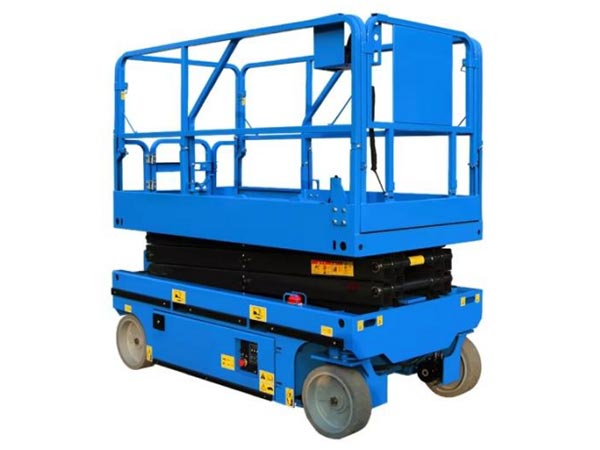
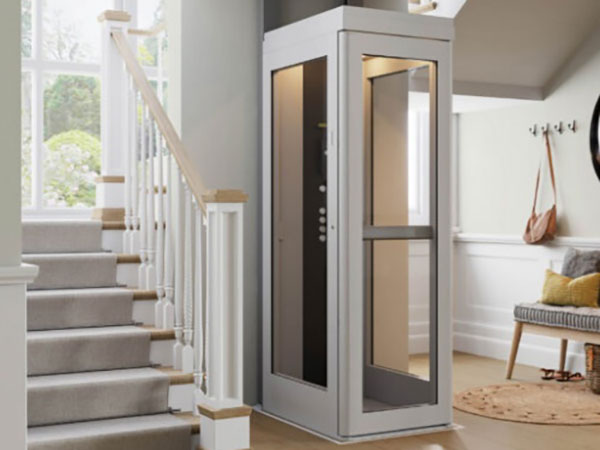
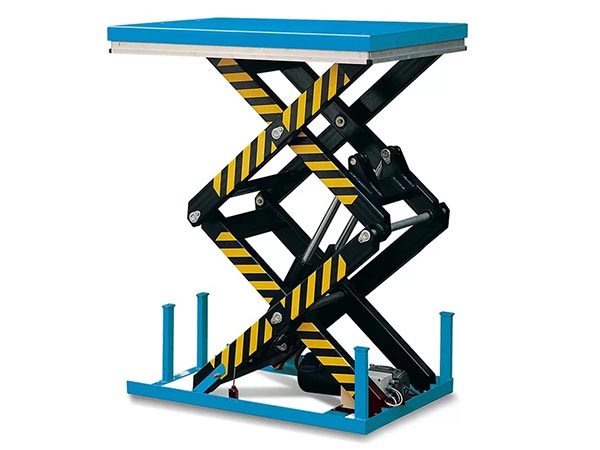
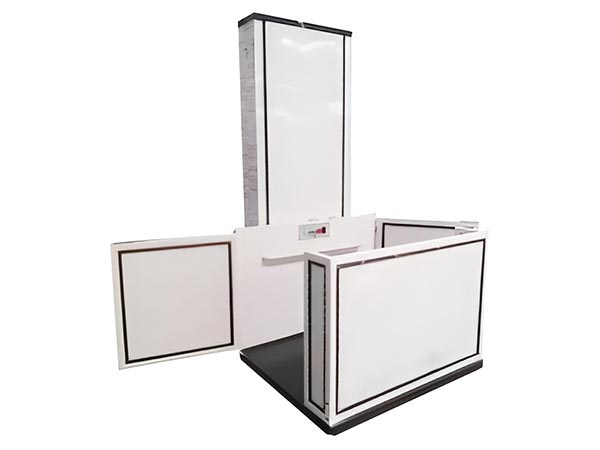
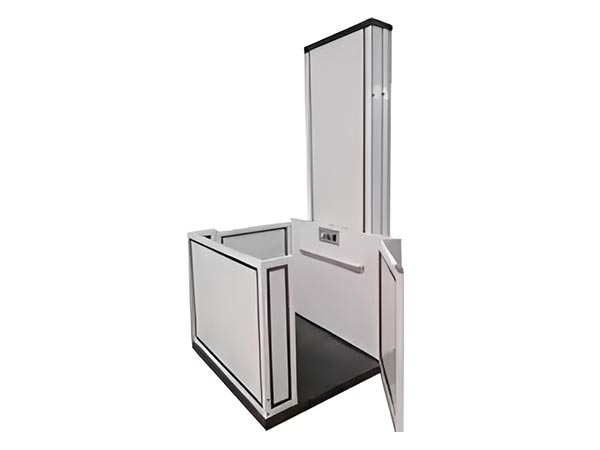
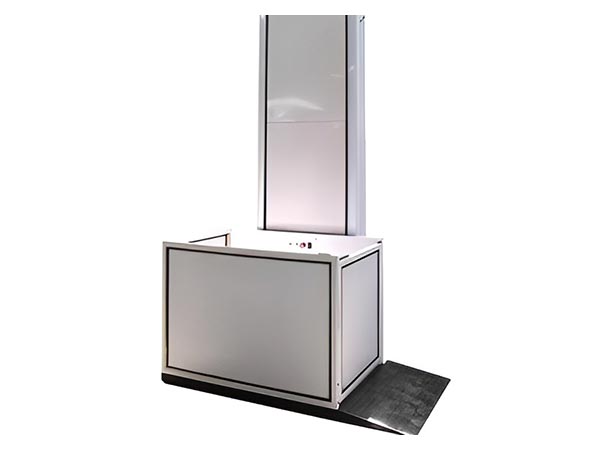
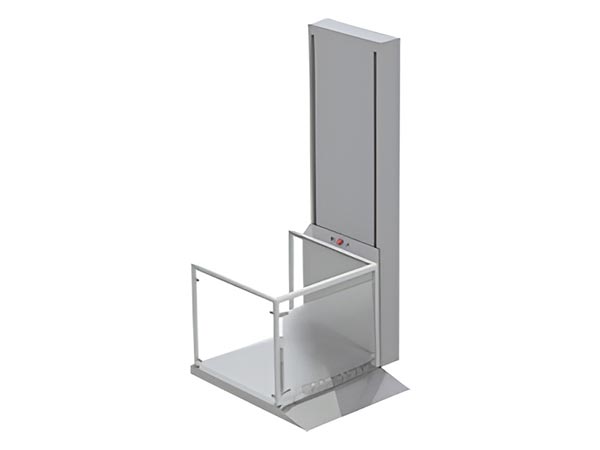
A hydraulic lift for disabled people is a mobility assistance device designed to provide safe, comfortable, and accessible vertical transportation for individuals with limited mobility, especially for wheelchair users and elderly individuals. These hydraulic lifts are commonly installed in homes, public buildings, and vehicles to allow easy access to areas that would otherwise be challenging to reach, such as stairs, elevated platforms, or vehicle entryways.These lifts use hydraulic power, providing a smooth and steady lift with minimal noise, ideal for indoor or outdoor use.
Most hydraulic lifts come with simple control panels that can be operated with minimal effort, allowing users to independently or with assistance access various levels.Equipped with safety rails, non-slip surfaces, emergency stop buttons, and backup battery systems, hydraulic lifts prioritize the safety of the user at all times.
Hydraulic lifts are designed to fit in small spaces and can be customized to fit specific dimensions and aesthetic preferences. They can be installed on walls or as free-standing units. Constructed from robust materials, hydraulic lifts are built to last, withstanding both indoor and outdoor environments.Compared to traditional elevators, hydraulic lifts are often more affordable, requiring less maintenance and energy, making them a popular choice for individual and commercial use.
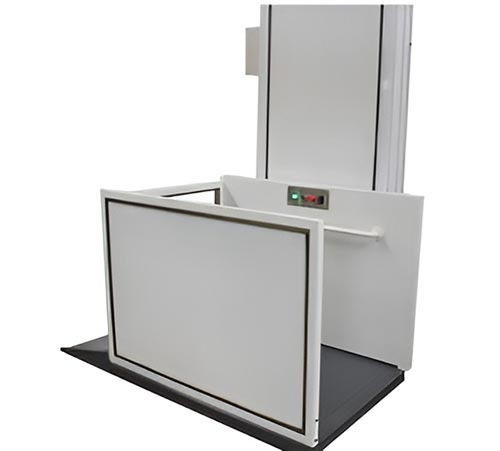
Application
1. Residential Use
Multi-Level Access: Installed in homes to facilitate safe and easy access between floors for individuals who use wheelchairs or have limited mobility.
Entry Access: Used to access front or back entrances where stairs are present, particularly beneficial for wheelchair users who may otherwise struggle with steps.
Bathroom and Bedroom Accessibility: Provides access to bathrooms, bedrooms, or other private areas within multi-story homes.
2. Commercial and Public Buildings
Compliance with Accessibility Laws: Installed in places like malls, office buildings, schools, and museums to comply with accessibility standards (such as the ADA in the U.S.), ensuring everyone can access all areas.
Stage or Podium Access: In places like auditoriums, community centers, and schools, lifts allow individuals to reach stages or podiums, promoting inclusivity.
Restroom Accessibility: Many public buildings install hydraulic lifts to ensure that accessible restroom facilities can be reached easily from various floors.
3. Healthcare Facilities
Hospital Patient Transport: Used in hospitals to move patients safely between floors, especially those with limited mobility.
Rehabilitation Centers: Assists individuals undergoing physical therapy and rehabilitation, allowing them to move through different therapy stations or floors.
Long-Term Care and Nursing Homes: Provides a safe way for residents to move throughout the facility, reducing the need for extensive staff assistance.
4. Educational Institutions
Schools and Universities: Ensures students, faculty, and visitors with disabilities can access different floors, classrooms, auditoriums, and laboratories.
Accessible Pathways: Used where ramps are not feasible, allowing full access to libraries, sports facilities, and other essential areas.
5. Outdoor Applications
Recreational Areas and Parks: Hydraulic lifts can be installed outdoors for access to elevated viewpoints, scenic trails, or specific park areas.
Public Transportation Access: Hydraulic lifts in public transit systems (train stations, bus stops) make it easier for wheelchair users and individuals with mobility issues to access platforms and boarding areas.
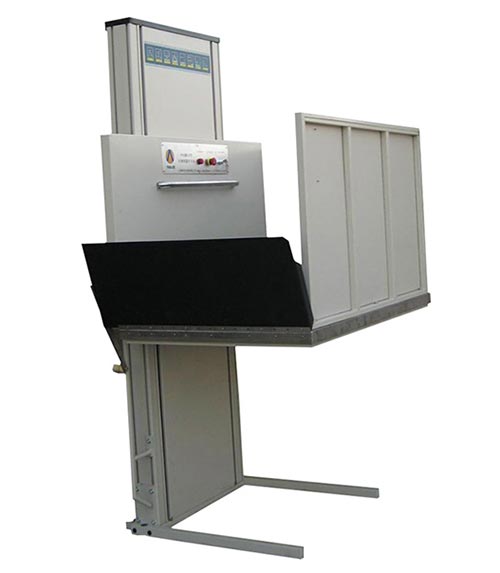
Advantages
1. Smooth and Quiet Operation
Hydraulic systems provide a gentle, smooth lift with minimal noise, making it comfortable for users and suitable for residential, healthcare, and public settings.
2. Enhanced Safety
Equipped with safety features such as emergency stop buttons, handrails, non-slip platforms, and battery backups, hydraulic lifts ensure safe operation, even during power outages.
3. Space-Efficient Design
Hydraulic lifts are compact and can fit in small spaces, making them ideal for both indoor and outdoor installations where space may be limited.
4. Lower Installation and Maintenance Costs
Compared to traditional elevators, hydraulic lifts are often more cost-effective to install and maintain, making them a budget-friendly option for homes and small businesses.
5. Flexibility in Installation Locations
Hydraulic lifts do not require a machine room, making them easier to install in a wide variety of locations, including residential homes, outdoor settings, and multi-level public facilities.
6. User-Friendly Operation
Simple control panels allow users or caregivers to operate the lift easily, providing more independence for individuals with disabilities.
7. Durable and Reliable
Built with sturdy materials, hydraulic lifts are designed to last, even in high-traffic or outdoor environments, offering years of dependable service with minimal wear.
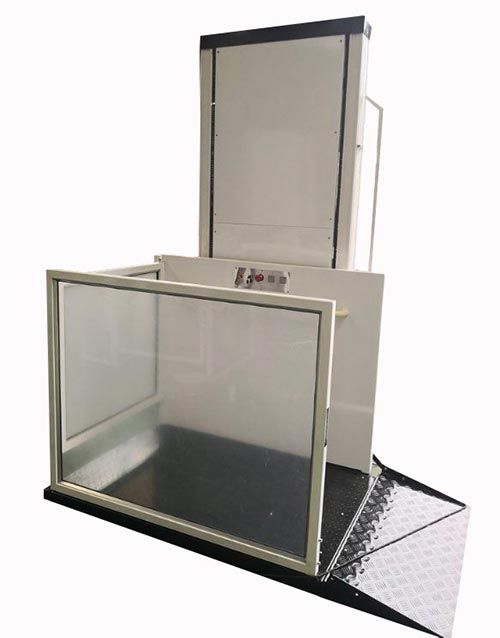
Parameters table
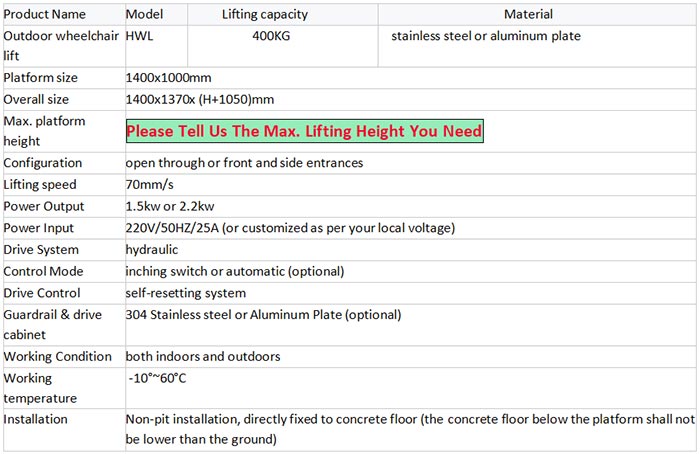
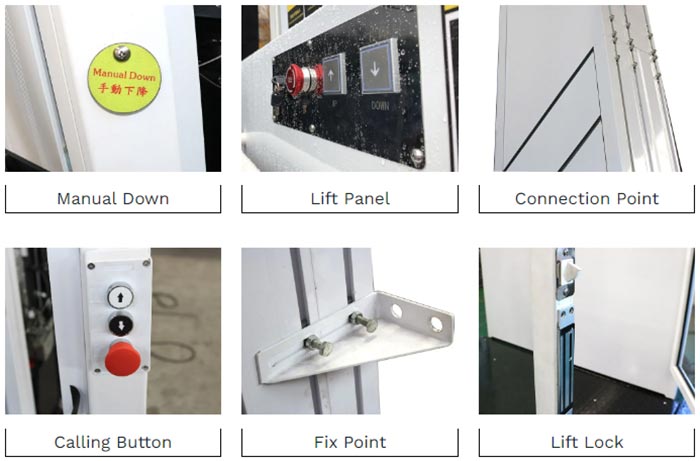
Parts Details
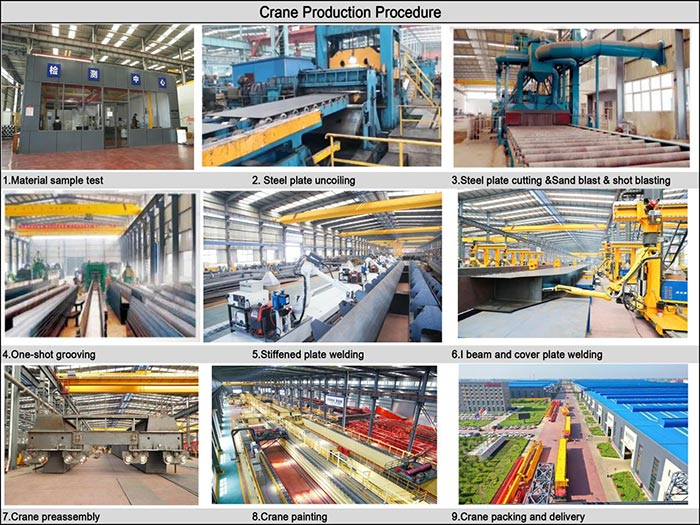
Crane production procedure
Global Market

Workshop view
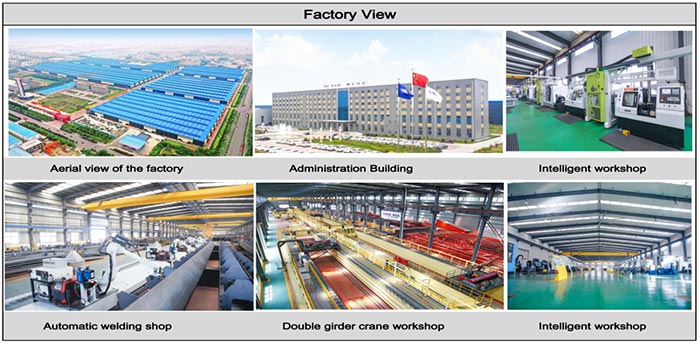
The company has installed an intelligent equipment management platform, and has installed 310 sets (sets) of handling and welding robots. After the completion of the plan, there will be more than 500 sets (sets), and the equipment networking rate will reach 95%. 32 welding lines have been put into use, 50 are planned to be installed, and the automation rate of the entire product line has reached.