
What are the classifications of lifting equipment?
1. Light and small lifting equipment
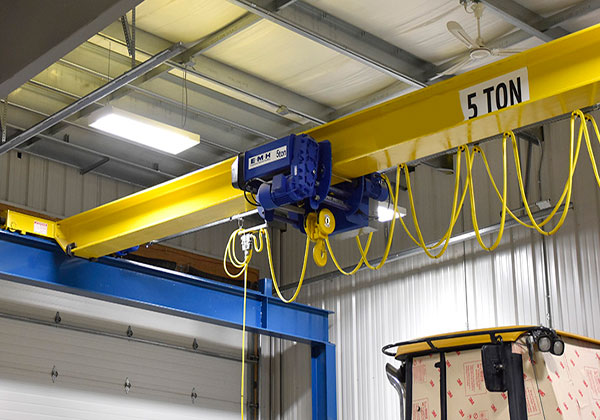
The characteristics of light and small lifting equipment are lightweight, compact structure, simple operation, and the projection of the operating range is mainly based on points and lines. Light and small lifting equipment usually only has one lifting mechanism, which can only perform a single lifting motion on heavy objects. Belonging to this category are: jacks, pulleys, manual (pneumatic, electric) hoists, winches, etc. Electric hoists are often equipped with running carts and metal frames to expand their operating range.

2. Overhead crane
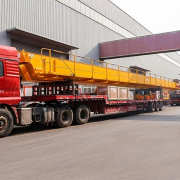
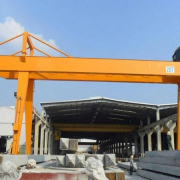
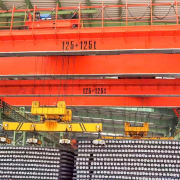
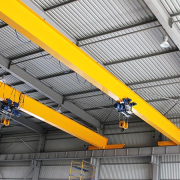
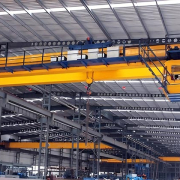
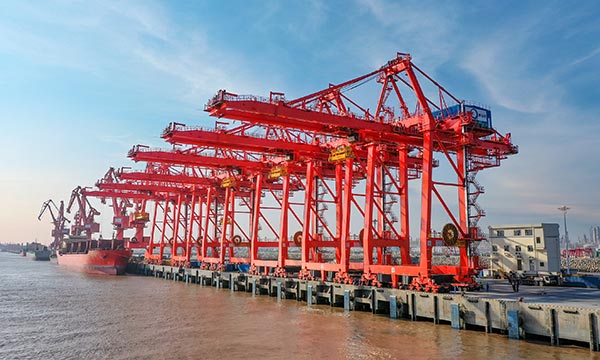
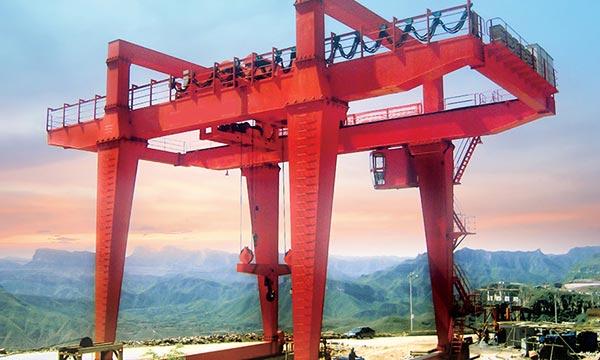
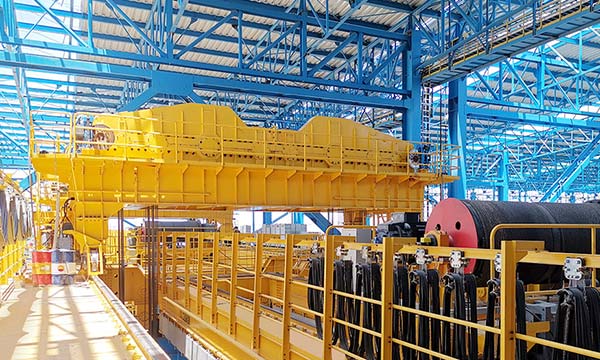
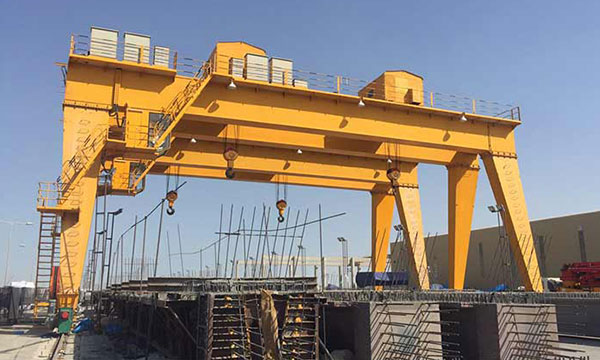
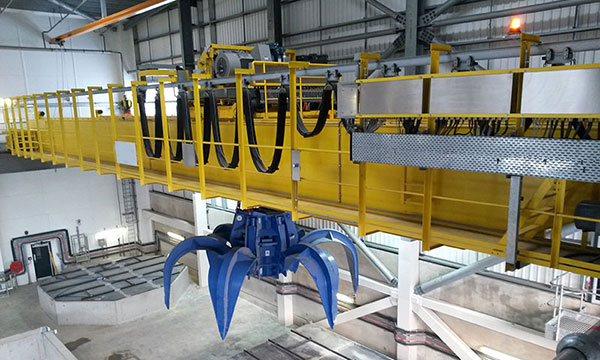
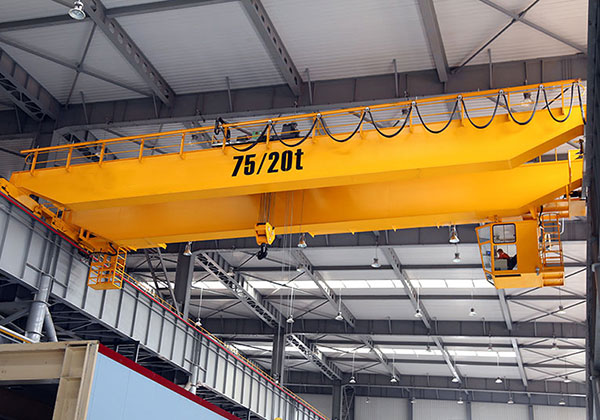
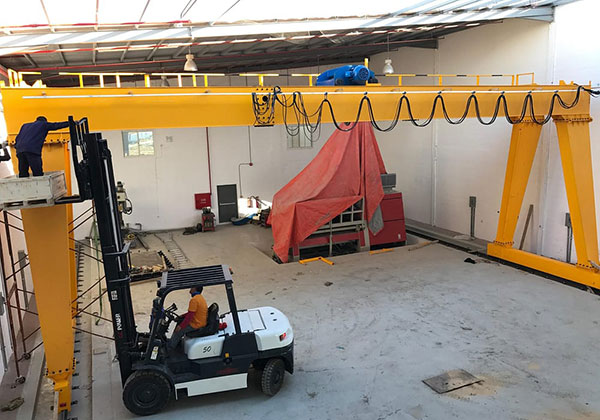
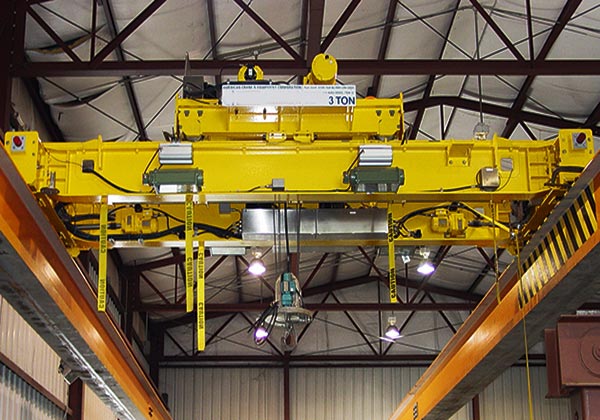
The characteristic of overhead crane is that they can enable heavy objects hanging on hooks or other lifting devices to achieve vertical lifting or horizontal movement in space. Overhead cranes include: lifting mechanisms, large and small vehicle operating mechanisms. By relying on the coordinated actions of these mechanisms, heavy objects can be lifted and transported within a certain cubic space. Bridge cranes, gantry cranes, loading and unloading bridges, metallurgical bridge cranes, cable cranes, etc. all belong to this category.
3. Cantilever crane
The characteristics of boom cranes are basically the same as those of bridge cranes.
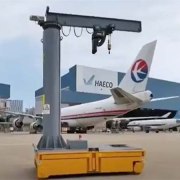
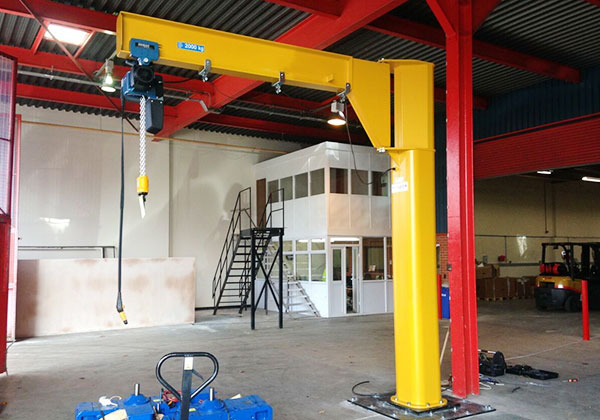
A boom crane includes a lifting mechanism, a variable amplitude mechanism, and a rotating mechanism. By relying on the coordinated actions of these mechanisms, heavy objects can be lifted and transported within a certain cylindrical space. Arm mounted cranes are often installed on vehicles or other forms of transportation (mobile) tools, forming a running arm mounted rotating crane. Such as automotive cranes, tire cranes, tower cranes, gantry cranes, floating cranes, railway cranes, etc.

4. Elevator
The characteristic of elevators is that heavy objects or retrieval devices can only be lifted and lowered along guide rails. Although there is only one lifting mechanism in the elevator, there are many other auxiliary devices in the elevator, so it forms a separate category, including elevators, cargo elevators, ship elevators, etc.

In addition, there are various classification methods for cranes. For example, according to the classification of retrieval devices and purposes, there are hook cranes, grab cranes, electromagnetic cranes, metallurgical cranes, stacker cranes, container cranes, and rescue cranes; Classified by transportation mode, there are fixed cranes, running cranes, self-propelled cranes, towing cranes, climbing cranes, portable cranes, and on-board cranes; Classified by driving mode, there are support cranes, suspension cranes, etc; Classified by usage, there are workshop cranes, machine room cranes, warehouse cranes, storage yard cranes, construction cranes, engineering cranes, port cranes, shipyard cranes, dam top cranes, ship cranes, etc.