
Overhead crane systems for complex lifting tasks
Advanced overhead crane systems ensure precise and efficient lifting in heavy manufacturing processes, optimizing safety and load management for complex tasks.
Overview of overhead crane systems
Overhead crane systems play a vital role in industries that require heavy lifting. These cranes are mounted on tracks that run along the ceiling, enabling them to lift and move large, heavy loads efficiently and precisely. They differ from traditional lifting equipment such as forklifts, offering greater lifting capacity, flexibility, and the ability to operate in tight spaces.
Key Features:
- Load Capacity: Overhead cranes can carry a wide variety of loads, from small parts to heavy machinery and industrial components.
- Safety: Built-in safety features such as anti-sway systems, overload protection, and emergency stop buttons are essential for safe operation.
- Precision: Overhead cranes are designed for precise load handling, which is essential to avoid accidents and ensure smooth operation.
These features make overhead cranes an indispensable piece of equipment in industries such as steel mills, power plants, automotive manufacturing, and shipyards that require heavy weights to be lifted with precision.
Bridge Crane Systems
Types of Bridge Cranes
There are several types of bridge cranes, each suited to specific lifting tasks and environments. These cranes are designed for different types of loads, spans, and operating requirements. Understanding these differences can help you choose the right crane for your complex lifting application.
Single Girder Cranes vs. Double Girder Cranes
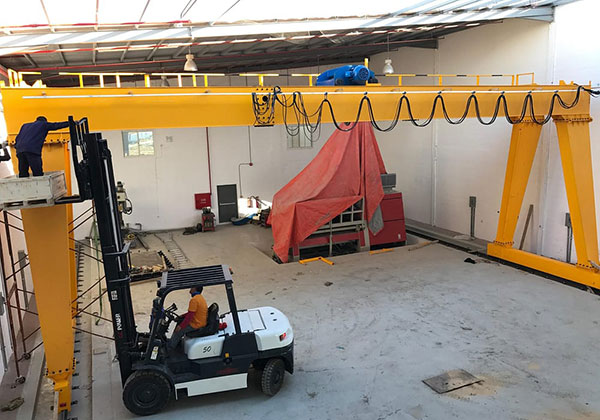
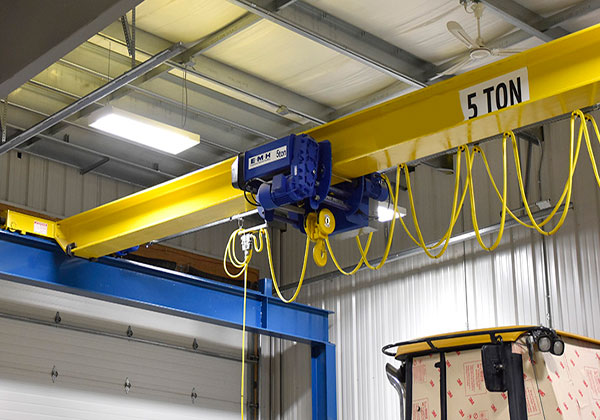
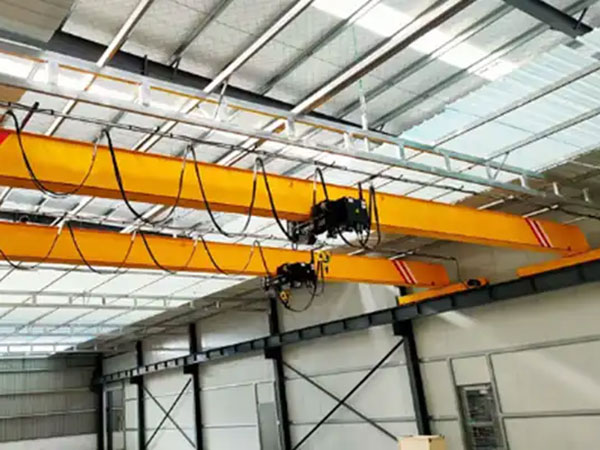
- Single Girder Cranes: These cranes are typically lightweight cranes with a single bridge and are suitable for lifting smaller to medium-weight loads. They are more compact and require less overhead clearance, making them ideal for facilities with height restrictions.
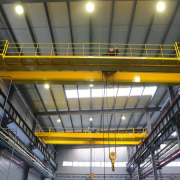
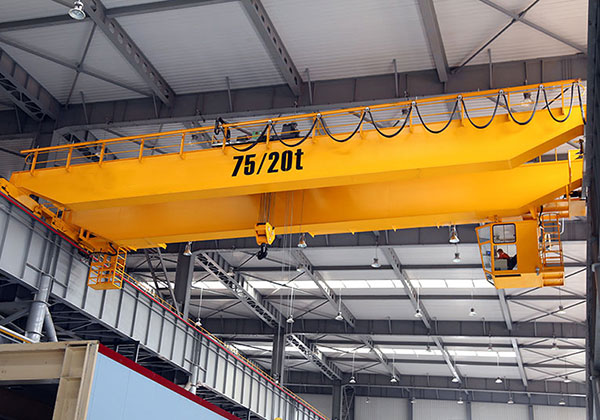
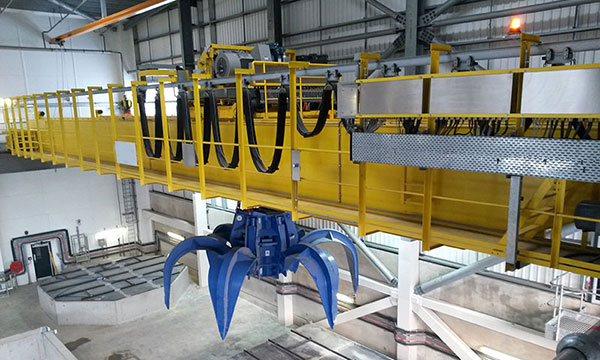
- Double Girder Cranes: Double girder cranes are designed to carry heavier loads and have two parallel beams for more support and stability. They can handle higher lifting capacities and are often used in heavy industries such as steel mills and power plants.
Gantry Cranes vs. Bridge Cranes
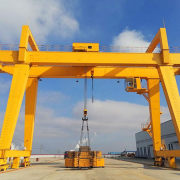
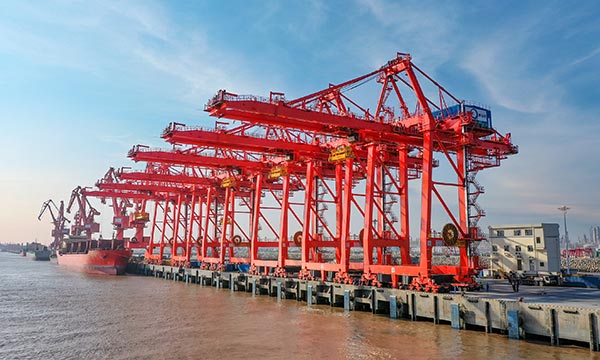
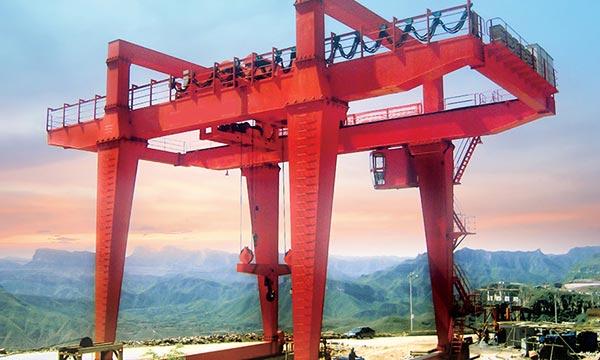
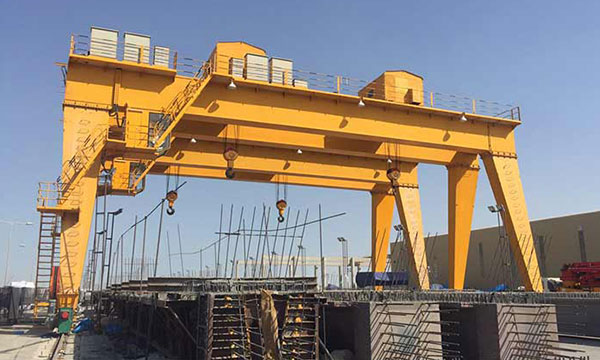
- Gantry Cranes: These cranes are similar in structure to bridge cranes, but are supported by legs that run along ground tracks rather than being fixed overhead. They are used in outdoor environments and can be moved over large areas, making them ideal for shipping yards and construction sites.
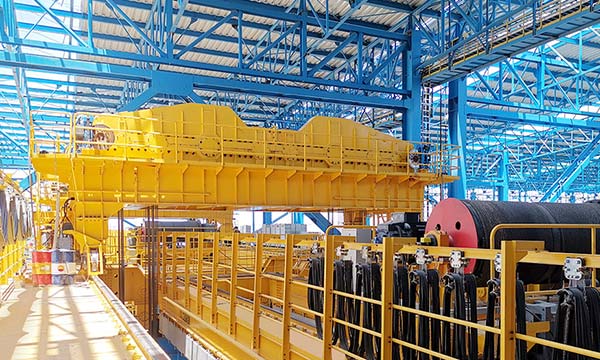
- Bridge cranes: These cranes have a bridge structure supported by tracks on either side of the crane span. They are fixed to the overhead structure of a building and are typically used to move heavy loads in indoor manufacturing or warehouse environments.
Jib cranes and their use in complex tasks
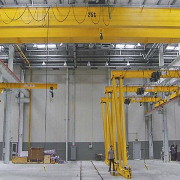
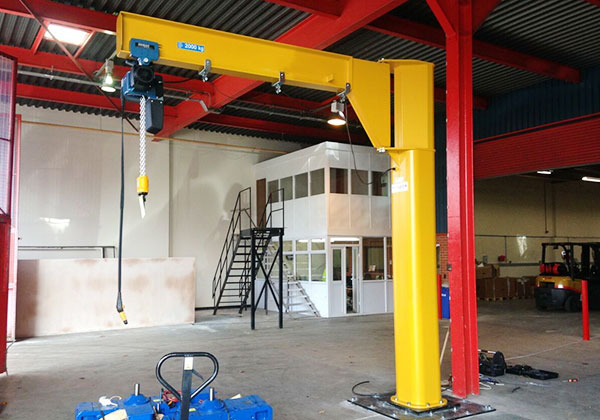
Jib cranes: These cranes have a horizontal arm (jib) extending from a fixed column, enabling them to reach loads within a specific radius. Jib cranes are used for precise lifting tasks in a small space, such as in a shop or loading dock. In complex tasks, jib cranes can be integrated into multi-crane systems to coordinate load handling.
Crane components
Understanding the core components of a bridge crane system is essential to ensure its efficient operation, especially during complex lifting operations. These components work together to provide the stability, precision, and safety required to lift large, heavy objects.
Crane, Trolley, Bridge, End Cart
- Crane: A crane is a lifting device, usually powered by an electric motor, used to lift and lower loads. The type of crane used depends on the weight and size of the load.
- Trolley: A trolley usually uses an electric or manual system to move the crane along the bridge. Trolleys are essential for moving loads horizontally across the crane span.
- Bridge: The bridge is the main structural component of the crane, providing support for the hoist and trolley system. The bridge spans the width of the crane’s operating area.
- End wheels: The end wheels are the wheels that support the crane bridge and enable it to travel along the track beams. They are installed at each end of the bridge and enable the crane to move throughout the facility.
Synchronous control systems, motors and brakes
Synchronous control systems: For multiple crane operations, synchronized control systems ensure that multiple cranes can work together without the risk of unbalanced loads or collisions. These systems use advanced software to coordinate the movement of each crane, ensuring smooth, precise operation.
- Motors: Motors provide the power for crane, hoist and bridge movement. For complex lifting operations, motors need to be powerful and responsive to provide the necessary control and speed.
- Brakes: Brakes are critical to safely stop the crane and load. Brakes ensure that the crane stops precisely, especially in complex lifting tasks where precision is critical.
Key features for complex lifting
When performing complex lifting tasks, certain key features are essential to ensure safe, efficient and precise operations. Bridge cranes designed for these tasks must have high lifting capacities, long spans, and advanced control systems to evenly distribute the load.
- High Capacity and Long Span: Bridge cranes used for complex lifting tasks often need to lift extremely heavy loads over large spans. Cranes with high capacity and long spans are essential in environments such as steel mills, power plants, and large manufacturing plants that need to handle heavy machinery and large components.
- Heavy Lifting: These cranes can carry loads ranging from 10 tons to hundreds of tons.
Large Span: Large spans provide greater flexibility when lifting and placing large objects in tight spaces or over wide areas. This is particularly important in large manufacturing plants, where the cranes need to cover long distances. - Precise Control Systems for Load Distribution and Stability: In complex lifting tasks, it is critical to maintain load balance and stability. Precise control systems ensure that the load is evenly distributed, minimizing the risk of tilting or swaying.
- Load Distribution: For multiple crane operations, the control system must synchronize the movement of each crane to evenly distribute the load. This prevents the cranes from being overloaded or misaligned.
- Stability and anti-sway features: Many advanced cranes are equipped with anti-sway technology to prevent the load from swinging uncontrollably during movement. This is essential to ensure safe and precise operations, especially when the load is large or irregularly shaped.
These key features help make overhead crane systems a reliable solution for handling complex lifting tasks in heavy industries where precision, safety and high capacity are essential.
Synchronous operation of multiple cranes
Definition and importance
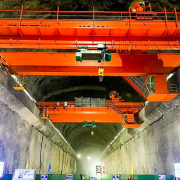
Synchronous crane operation involves the coordination of two or more cranes to lift and move a single load. Synchronous crane operation is essential when the load is too large or too heavy for a single crane to handle. By synchronizing the movement of multiple cranes, the load can be evenly distributed, ensuring safer and more efficient lifting.
- What synchronized crane operation involves: In synchronized operation, the cranes work together as a unified system. The load is divided between the cranes, with each crane lifting a portion of the total load. This requires precise coordination to avoid any crane being overloaded or out of sync with the others.
- How synchronized cranes evenly distribute loads: The main benefit of synchronization is load balancing. Multiple cranes share the lifting task, preventing any one crane from carrying all the weight. Each crane lifts a portion of the load, ensuring that no single crane is carrying more weight than it can carry, reducing the risk of equipment failure.
- Prevents load tilt and sway: When multiple cranes are lifting the same load, there is always a risk of tilt or sway, especially if the load is unbalanced. Synchronous operation ensures that the cranes adjust their movements in real time, preventing instabilities. This is achieved through feedback systems and sensors that monitor the position of the load and adjust the crane speed accordingly.
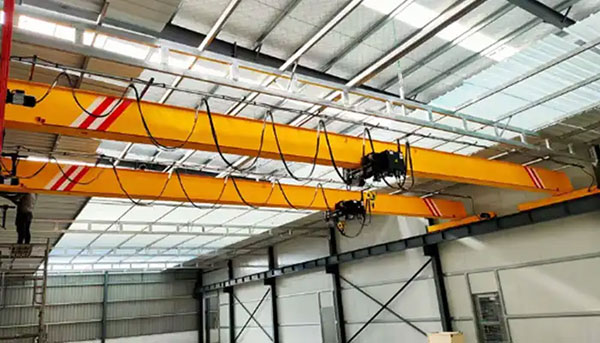
Single Girder Overhead Crane Systems for Synchronous Operation of Complex Lifting Tasks
Applications in Complex Lifting Tasks
Synchronous cranes are essential in industries where large, heavy or irregularly shaped loads need to be handled with precision. These applications span a wide range of industries, each with specific requirements for lifting and placement.
- Steel Plants: Lifting Large Steel Beams, Ingots and Plates: Steel plants often require synchronized cranes to lift heavy, bulky materials such as beams, ingots and plates. These loads may be too large or too bulky for a single crane, so synchronization of multiple cranes is essential to evenly distribute the load and ensure safe movement throughout the facility.
- Power Plants: Moving Turbine Generators and Heavy Equipment: Power plants rely on synchronized cranes to move large, delicate equipment such as turbine generators. Not only are these components heavy, but they also need to be precisely positioned to avoid damage. Using multiple cranes working in tandem ensures that the load is evenly distributed, reducing the risk of damaging sensitive equipment.
- Heavy Manufacturing and Assembly Lines: In a manufacturing environment, particularly in industries such as automotive or shipbuilding, synchronized cranes are essential to move heavy components along assembly lines. Whether it is a car body or large machinery, these cranes can work together to handle heavy components efficiently and safely.
Control Systems for Synchronous Operations
The effectiveness of crane synchronization depends largely on the control systems used. These systems ensure that all cranes move in perfect coordination, optimizing safety and efficiency.
Types of Synchronization Technologies (e.g. radio control, wired control)
- Radio control: Cranes communicate wirelessly, allowing for greater flexibility. This is particularly useful in dynamic environments where crane movements need to be adjusted quickly.
- Wired control: In this system, the cranes are physically connected via wires, ensuring a stable and reliable connection. Wired control is preferred when constant, secure communication is required, such as in controlled or hazardous environments.
Centralized vs. Decentralized Control Systems
- Centralized control systems: A single control unit controls the operation of all cranes. This is ideal for simple operations where one central unit can effectively manage the entire process.
Decentralized control systems: Each crane has its own control unit, but they are connected to each other to ensure synchronization. This type of system offers greater flexibility and is better suited for large-scale or complex operations where cranes may be working in different areas at the same time. - Communication protocols and safety features: Effective communication between cranes is essential for synchronized operations. Advanced protocols ensure that cranes can communicate in real time and adjust their movements as needed. Safety features such as load sensors, emergency stop mechanisms, and real-time monitoring systems prevent accidents by quickly detecting and responding to potential problems.
- Example: If one crane begins to move too fast or tilt, the system immediately adjusts the movement of the other cranes to maintain stability and prevent swinging.
Synchronized crane operations provide a solution to the challenge of handling large, heavy, and complex loads. By working in tandem, the cranes ensure precision, safety, and efficiency, which is very useful in industries that require high-capacity lifting.
Engineering considerations for multi-crane lifting
Load distribution mechanisms
In multi-crane lifting operations, a key challenge is to ensure that the load is evenly distributed across all cranes. Uneven distribution can cause one crane to carry more weight than it is designed to carry, resulting in potential damage or failure.
- Ensure even weight distribution between cranes: When using multiple cranes, it is important to ensure that each crane is sharing an equal share of the weight. Load distribution must be carefully calculated to position each crane in the best position to carry its weight. This can be achieved using an advanced load management system that calculates and adjusts the loads of the cranes in real time to keep the system balanced.
- Use load sensors and real-time feedback systems: Modern cranes are equipped with load sensors that continuously monitor the weight of each crane lift. These sensors send real-time data to the control system, ensuring that any imbalance is detected and corrected immediately. Feedback systems adjust the crane’s movement or speed to maintain proper load distribution and minimize the risk of overturning or overloading.
Crane Specifications and Configurations
When planning a multi-crane lift, it is critical to select the correct crane specifications. The size, capacity, and configuration of the crane need to match the load requirements of the task at hand.
- Select the right crane type and load capacity: Different lifting tasks require different types of cranes. For example, a single-girder crane may be suitable for lighter loads, while a double-girder crane is designed for heavier lifts. Selecting the right crane requires evaluating the weight, size, and shape of the load. In addition, cranes must be selected based on their lifting capacity and operating range to ensure they can handle the load efficiently and safely.
- Customize cranes for specific tasks: Certain lifting tasks may require customized crane solutions. For example, double-girder cranes have higher lifting capacities and longer spans, making them ideal for heavy lifts. Custom cranes may also include modifications such as special lifting mechanisms, reinforced structures, or specific configurations to accommodate unique operating environments, such as tight spaces or challenging outdoor conditions.
Safety Features
When performing multi-crane lifting, safety is a top priority. Cranes must be equipped with advanced safety features to ensure that the lifting process is always smooth and safe.
- Anti-sway technology and load balancing mechanisms: Anti-sway systems help prevent loads from swaying during transportation, which can be dangerous to crane operators and those around them. These systems counteract any sway or imbalance in the load by adjusting the crane movement in real time. Load balancing mechanisms, such as synchronized motion control, ensure that the weight is evenly distributed on the cranes, preventing any single crane from being overloaded.
- Anti-overload and emergency stop systems: In multi-crane operations, overload prevention is essential. Cranes are equipped with systems that prevent the lifting of loads that exceed their rated capacity. If the crane is overloaded, the system automatically stops the lift to ensure safety. Emergency stop systems are also essential to immediately stop the crane operation in the event of an emergency, such as a malfunction or unexpected load transfer.
- Safety monitoring and operator training: Continuous monitoring of crane operations ensures that safety procedures are followed throughout the lifting process. Advanced systems track parameters such as load weight, crane position and movement speed. Operators must be trained to safely handle multiple crane lifts and understand control systems and emergency procedures. Regular safety drills and training ensure operators are fully prepared for any situation that may arise during lifting operations.
In multiple crane lift operations, careful engineering considerations are essential to ensure the task is completed safely and efficiently. From selecting the right crane and load distribution method to integrating safety technology, every factor plays an important role in achieving a successful outcome. Proper planning, the right equipment and constant monitoring are the keys to confidently handling heavy and complex loads.