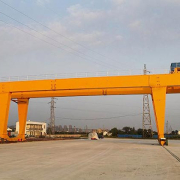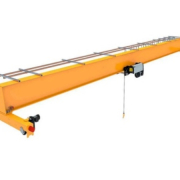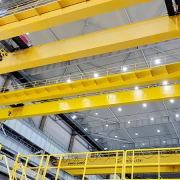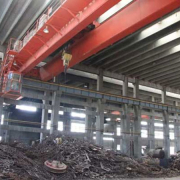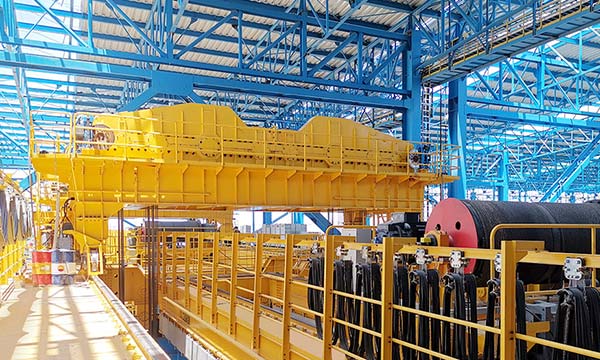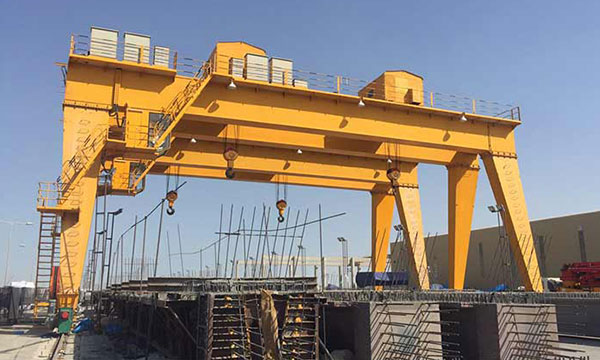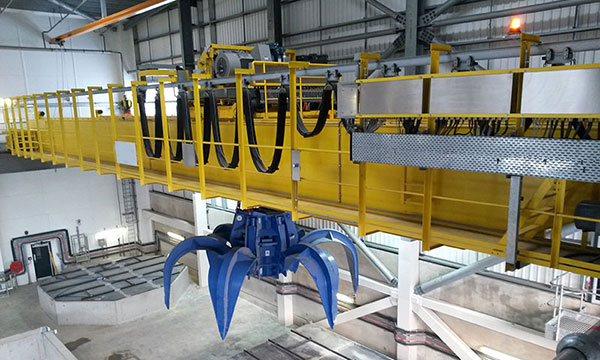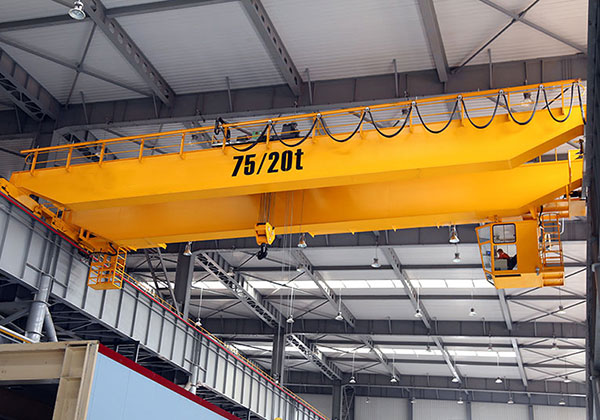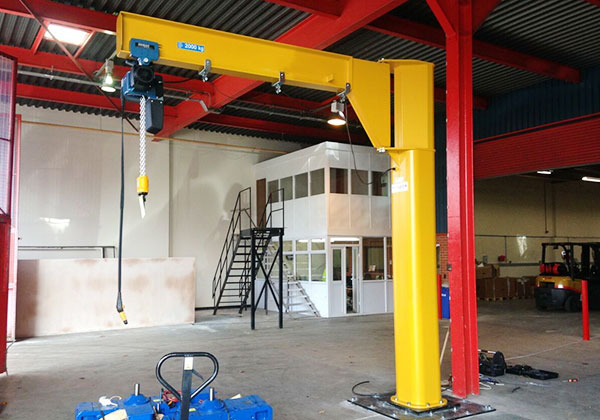

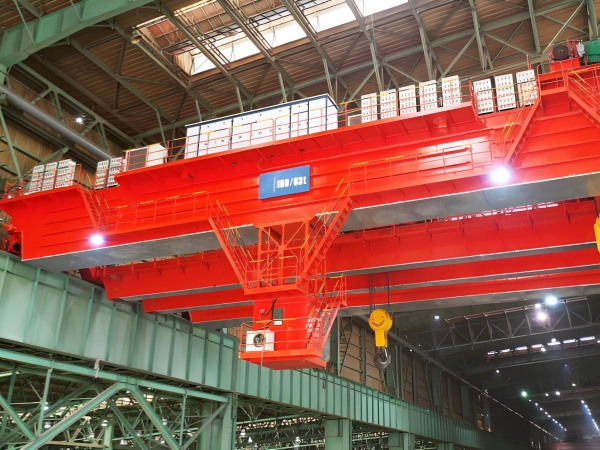
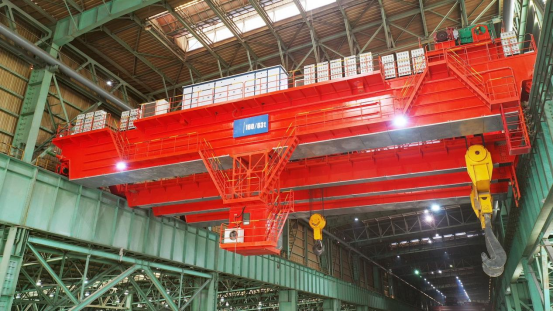
foundry iron casting crane
Key Features
1)Heat Resistance:
Equipped with heat-resistant components to withstand the high temperatures near molten iron.
Often have shielding or insulation for protection.
2)Heavy Load Capacity:
Designed to lift and move extremely heavy loads such as ladles filled with molten iron or large castings.
3)Precision and Stability:
Advanced control systems ensure precise movement, reducing the risk of spillage or accidents when handling molten metal.
4)Robust Construction:
Made of durable materials that resist wear, tear, and deformation under extreme operating conditions.
5)Safety Systems:
Includes features like overload protection, emergency brakes, and fail-safe mechanisms.
Common Types of Foundry Cranes
1)Charging Types :
Used to charge furnaces with raw materials like scrap iron or pig iron.
Can withstand high temperatures as they work close to the furnace.
2)Ladle Cranes:
Specifically designed to transport ladles filled with molten metal.
Features include tilting mechanisms for controlled pouring.
4)Casting Cranes:
Used to transfer molds and castings within the foundry.
May have additional attachments for handling specific mold shapes.
5)Grab Cranes:
Fitted with specialized grab buckets for handling loose material like sand or scrap.
Applications
1)Iron and Steel Foundries:
For transporting molten iron from furnaces to molds or other processing areas.
2)Casting Preparation:
Moving and aligning molds during the casting process.
3)Material Handling:
Moving raw materials, scrap, and finished products.