

Why does the gantry crane have weight restrictions during operation?
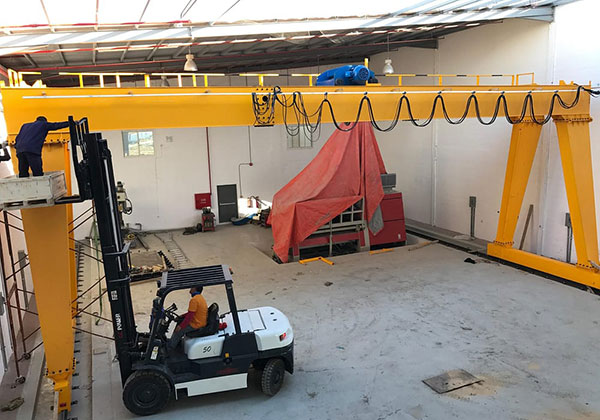
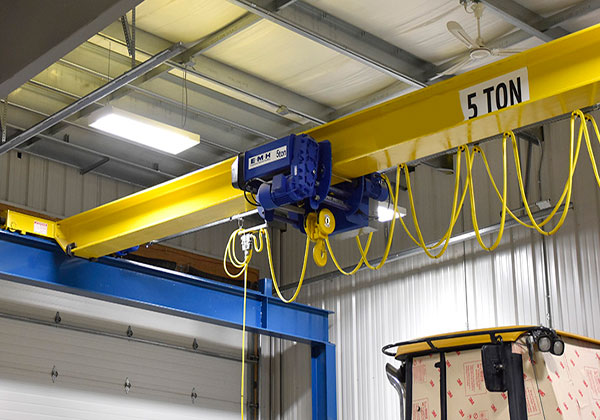
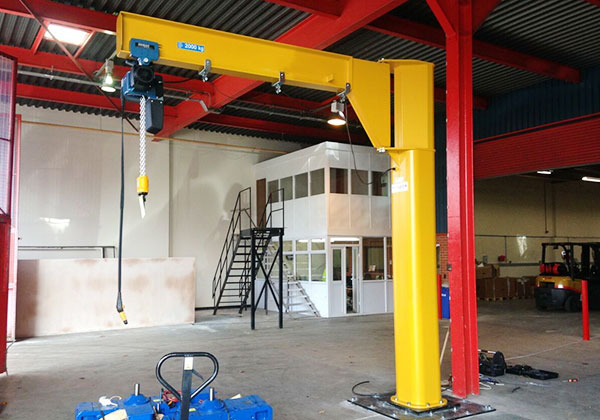
As an important lifting equipment, gantry cranes are widely used in various engineering projects. However, in the actual operation process, we will find that there is a clear limit to the lifting weight of the gantry crane. So, what is the reason for this lifting restriction? Below, the technical personnel from the gantry crane manufacturer will share with you why there are weight restrictions during the operation of the gantry crane?
Safety factors
1. The carrying capacity of the equipment
As a heavy mechanical equipment, the design and manufacturing of gantry cranes are based on safety considerations. The carrying capacity of equipment is limited, exceeding this limit may lead to structural damage to the equipment and even safety accidents. Therefore, when designing a gantry crane, it is necessary to fully consider its bearing capacity and safety factor to ensure its use within the normal working range.
2. The impact of work environment
The working environment of a gantry crane can also have an impact on its lifting capacity. For example, harsh environments such as high or low temperatures, high or low humidity, can lead to a decrease in equipment performance, thereby affecting its lifting capacity. In addition, factors such as terrain and wind can also affect the effectiveness of using a gantry crane.
Technological factors
1. The service life of the equipment
As a long-term equipment, the service life of gantry cranes is also limited. Over time, various components of the equipment will gradually wear out, leading to a decrease in its lifting capacity. Therefore, when using gantry cranes, regular inspections and maintenance are necessary to ensure the normal operation of the equipment.
2. Process requirements
Different engineering projects may have different lifting requirements for gantry cranes. Some projects may require higher lifting capacity, while others do not have specific requirements for lifting capacity. These differences are mainly determined by the process requirements. Therefore, when selecting and using gantry cranes, it is necessary to fully consider the process requirements of the project to ensure that the equipment can meet actual needs.

Economic factors
1. Cost of equipment
The price of gantry cranes is relatively high, and the purchase and maintenance costs are relatively high. Therefore, when using a gantry crane, it is necessary to fully consider its economy and ensure that the return on investment reaches the expected target. This requires us to comprehensively consider factors such as equipment performance, price, and service life when selecting and using gantry cranes, in order to achieve maximum economic benefits.
2. Energy consumption
During the operation of a gantry crane, a large amount of energy is consumed, such as electricity and gas. The consumption of these energy sources not only increases the operating costs of enterprises, but may also have adverse effects on the environment. Therefore, when using gantry cranes, it is necessary to pay attention to energy consumption issues, take energy-saving measures, and reduce energy consumption.
The weight limitation of gantry crane during operation is the result of a combination of multiple factors. To ensure the normal operation and safety of the equipment, we need to consider and balance multiple aspects such as safety, process efficiency, and economy. Only in this way can we fully leverage the advantages of gantry cranes and create greater value for enterprises.