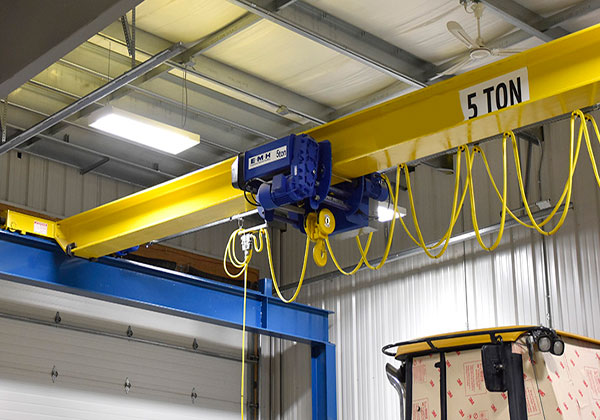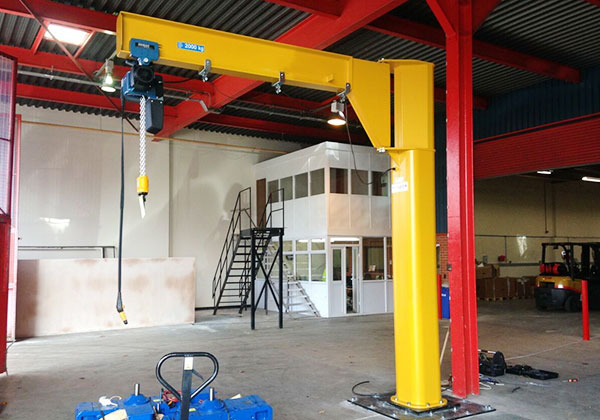

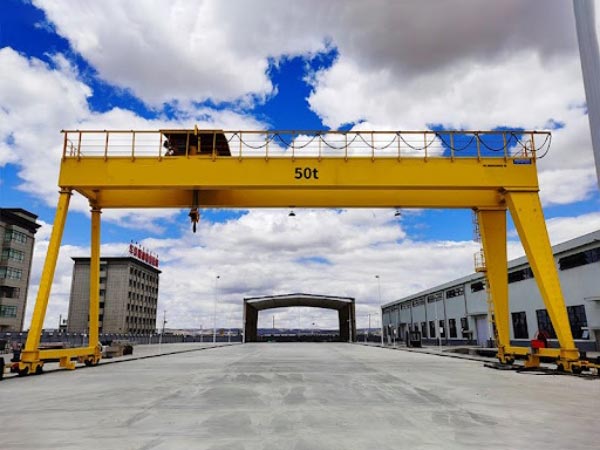


Description
Warning: mysqli_query(): (HY000/1194): Table 'wp_options' is marked as crashed and should be repaired in /www/wwwroot/excelcrane.com/wp-includes/class-wpdb.php on line 2349
Warning: mysqli_query(): (HY000/1194): Table 'wp_options' is marked as crashed and should be repaired in /www/wwwroot/excelcrane.com/wp-includes/class-wpdb.php on line 2349
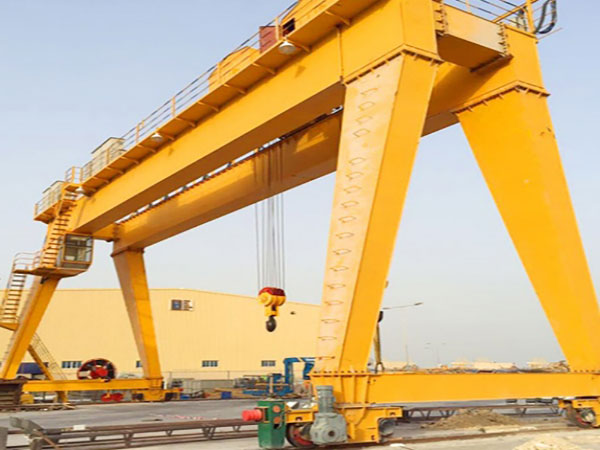
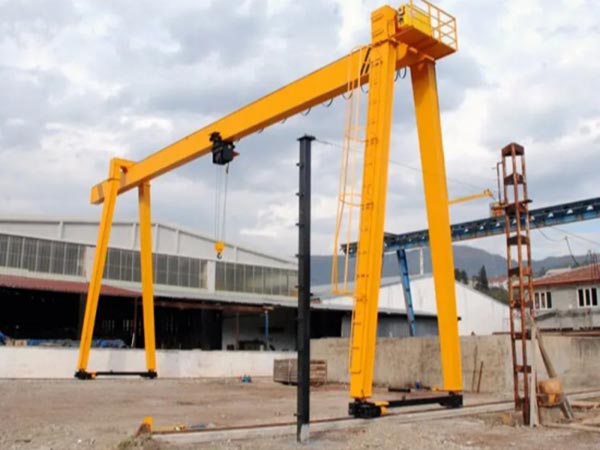
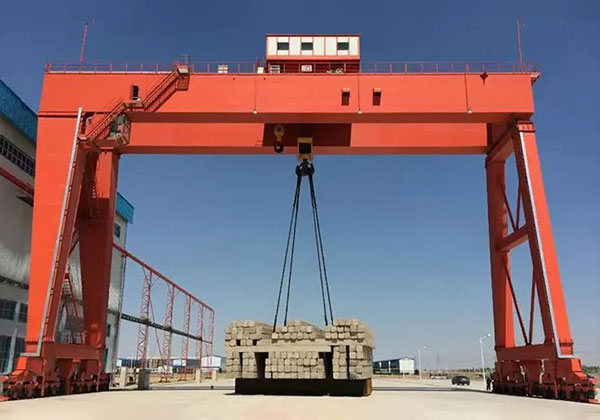
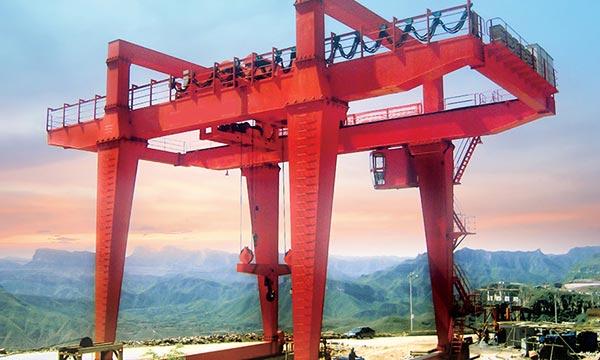
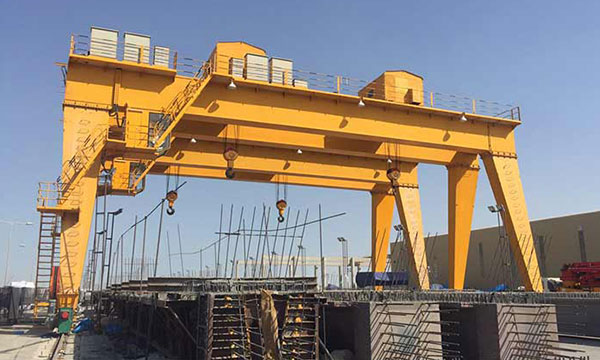
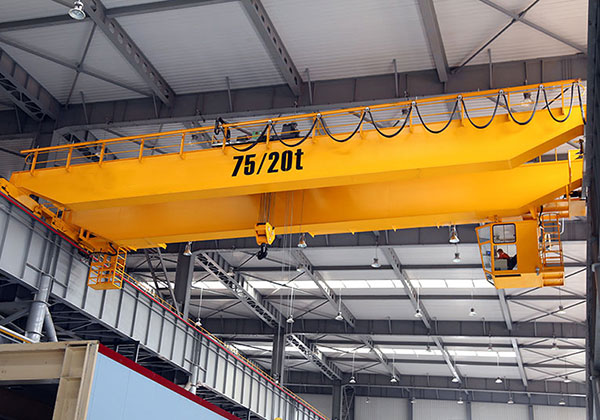
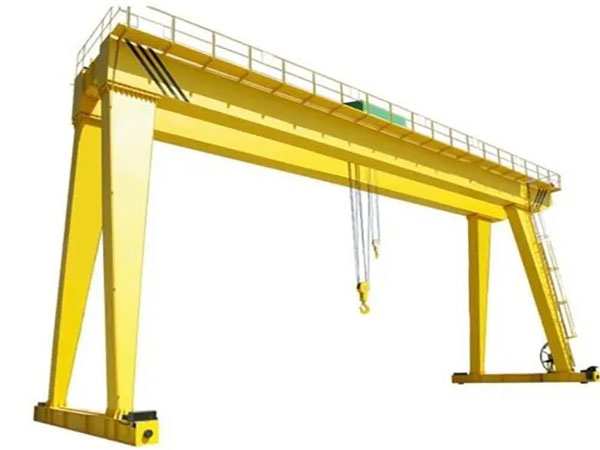
Double-girder gantry crane is a lifting equipment commonly used for heavy material handling. It has two main load-bearing beams and a gantry structure. It is suitable for a wide range of applications, such as ports, warehouses, industrial plants and construction sites. Its design enables efficient lifting and handling operations over a large area.
The working principle of the double-girder gantry crane includes the coordinated operation of its trolley, car, lifting system and electrical control system. The trolley moves longitudinally on the track, the trolley moves horizontally on the main beam, and the lifting system realizes the vertical lifting of materials. Through the precise adjustment of the electrical control system, efficient and safe material handling operations are achieved.
Double-girder gantry cranes are widely used in various industrial and storage environments with their high load-bearing capacity, strong stability and large span design. Its structure includes the main beam, end beam, lifting system, trolley, trolley and electrical control system. Through the coordinated work of these parts, efficient material handling and lifting operations are achieved. Its safety features and maintenance measures ensure the long-term reliable operation of the equipment.

Components of electric hoist gantry crane
1. Main girder
- The main beam is responsible for supporting the heavy load and operating load of the entire crane, including the weight of the hook, lifting system, trolley and other components. The main beam must have sufficient strength and rigidity to ensure structural stability during the lifting operation.
- The main beam provides lateral stability of the crane through its solid structural design, reducing vibration and swing during operation. The bending, torsion and shear force of the main beam need to be considered during the design to ensure the stability of the equipment under various operating conditions.
- The main beam is generally made of steel, and the two common structural forms are box beam and I-beam. The box beam is welded by two upper and lower flat plates and a vertical plate in the middle, and has high rigidity and strength. The I-beam has an I-shaped cross-section, a simple structure, and is suitable for situations with small loads.
- The design of the main beam needs to take into account the maximum load of the crane, including the weight of the lifting material and dynamic loads (such as wind loads, impact loads, etc.). Through mechanical calculations (such as bending stress and shear stress calculations), ensure that the main beam will not be excessively deformed or damaged under maximum load.
2. Lifting System
- Drum: The drum is a wire rope retractor that lifts or lowers the hook by winding the wire rope.
- Wire rope: The wire rope connects the drum and the hook and is responsible for transmitting the lifting force. The wire rope is usually made of high-strength steel wire with good tensile strength and wear resistance.
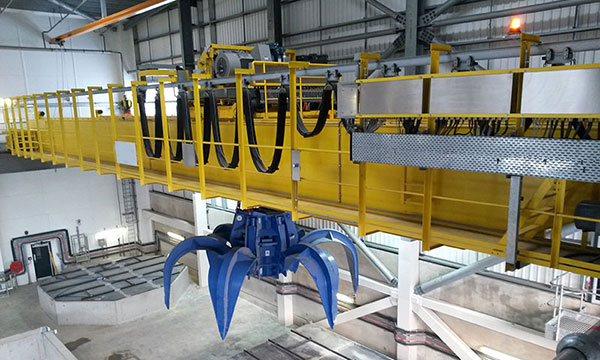
- Hook: The hook is the part that directly contacts the load and is used to mount and fix the material. The hook is usually made of forged steel with high strength and toughness, and is designed with an anti-unhooking device to prevent the load from accidentally falling off.
- Reducer: The reducer is used to reduce the speed of the motor and increase the torque to drive the drum.
- Motor: The motor provides power for the lifting system and drives the drum for lifting and lowering operations.
- Brake: The brake is used to control the stopping and holding functions of the lifting system to ensure that the load can stop safely during lifting or lowering. The brake should have reliable braking force and be able to respond quickly in an emergency.

3. End Carriages
The end beam connects the main beam and the trolley running mechanism, bears the weight and load of the crane, and transfers it to the wheels of the trolley, so that the crane can run stably on the track. The end beam also supports other parts of the crane, such as the trolley running mechanism and the lifting system, to ensure that these parts can operate normally.
The end beam connects the main beams of the crane together to form an integral frame structure, providing the lateral stability of the crane. The end beam design must ensure that the main beam and the trolley will not produce excessive vibration or offset during the operation of the crane, maintaining the stability of the entire equipment.
The end beam usually uses high-quality carbon steel or low-alloy high-strength steel with good bending and torsion resistance. To prevent the end beam from corroding in harsh environments, surface coating treatment such as painting or hot-dip galvanizing is usually performed.
The end beam of a double-beam gantry crane is a key load-bearing and connecting component, responsible for supporting the weight of the crane and ensuring its smooth operation on the track. The design and structure of the end beam affect the stability and safety of the crane, so regular maintenance and care are required to ensure the long-term reliable operation of the equipment.
4. Crane traveling mechanism
1) Horizontal movement
- Main function: The trolley mechanism enables the entire crane to move horizontally along the track within the working area in order to transport materials from one location to another.
- Operation range: The trolley mechanism allows the crane to cover the entire length of the track and achieve a wide range of operations.
2) Load transfer
- Carrying function: The trolley mechanism carries all the weight of the crane, including the main beam, trolley, lifting system and the hoisted materials, and transfers this weight evenly to the track.
- Stability: The design of the operating mechanism must ensure that the crane remains stable during movement and avoids tilting or uneven loading.
The crane mechanism of the double-beam gantry crane is a key system for realizing the horizontal movement of the crane. It is mainly composed of a drive unit, a wheel set, a track, a buffer and a limit switch. It realizes the smooth movement of the crane on the track by transferring the power of the motor to the wheels. Regular maintenance and care can ensure the reliability of the crane mechanism and ensure the safe operation of the crane.
5. Trolley traveling mechanism
- Trolley frame: The trolley frame is the basic structure of the trolley running mechanism, supporting and connecting various parts of the trolley, such as the motor, drum, wheels, etc.
- Drive device: The drive device provides power for the trolley to move laterally along the main beam. The high-speed rotation of the motor is converted into the low-speed and high-torque output required for the movement of the trolley.
- Wheel set: The wheel set is responsible for supporting the trolley and making it move smoothly on the track of the main beam.
- Track: The track is installed on the top of the main beam for the wheel set of the trolley running mechanism to run.
- Limit device: The limit device is used to limit the operating range of the trolley on the main beam to prevent the trolley from exceeding the safe area or colliding. It usually includes a travel limit switch that can automatically stop the trolley when it approaches both ends of the main beam.
- Braking device: The braking device is used to control the stopping and holding functions of the trolley to ensure that it can accurately stay in the specified position during operation. Common brakes include electromagnetic brakes and mechanical brakes, which are used in conjunction with the braking function of the motor.
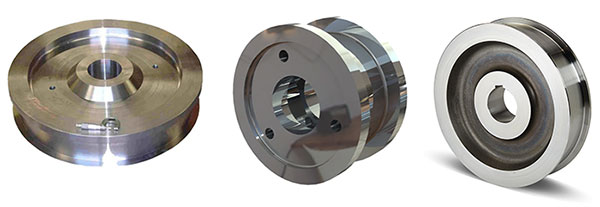
6. Crane wheel
1) Supporting function
- Main function: The wheels are used to support the overall weight of the double-beam gantry crane, including the weight of the main beam, end beam, trolley, lifting system and the materials being hoisted.
- Uniform load distribution: The wheels evenly distribute the weight on the track to ensure the smooth operation of the crane.
2) Operation and guidance
- Horizontal movement: The wheels roll along the track, allowing the crane to move horizontally on the track.
- Guiding function: The guiding design of the wheels ensures that the crane maintains the correct running direction during movement and avoids deviation from the track.
7. Crane hook
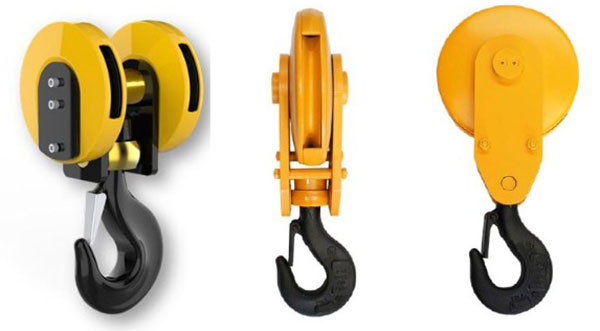
1) Material lifting
- Main function: The hook is used to connect the lifting device (such as sling, chain or wire rope) and the lifted material to achieve the lifting and handling of the material.
- Load-bearing function: The hook bears the entire weight of the material and transfers it to the lifting system through the lifting device.
2) Flexible operation
- Rotation function: Most hooks are designed to be rotatable, which is convenient for the operator to adjust the direction of the material during the lifting process and improve the flexibility of the operation.
- Safe operation: The hook is generally equipped with a safety buckle to prevent the lifting device from accidentally falling off and ensure the safety of the lifting process.
8. Motor
- Main functions: The motor provides power for various mechanisms of the crane (such as lifting, trolley operation, and carriage operation) to ensure that these mechanisms can operate accurately according to instructions.
- Power transmission: The mechanical power generated by the motor drives the reducer, transmission shaft and other components to transmit power to the corresponding drive wheel or drum to complete the lifting of materials or the movement of the crane.
- Speed control: The motor is equipped with a frequency converter or other speed regulating device, which can achieve stepless speed regulation to meet the speed requirements under different working conditions.
- Precise operation: Through precise control of the motor, the crane can achieve precise lifting, stopping and positioning operations, improving the safety and efficiency of the operation.

9. Sound and light alarm system & limit switch
1) Sound and light alarm system
- Safety tips: The sound and light alarm system is used to warn the operator and surrounding personnel of possible safety risks through sound and light signals during the operation of the crane.
- Accident prevention: In the event of an emergency or abnormal working condition, the sound and light alarm system can promptly issue an alarm to remind the operator to take measures to prevent accidents.
2) Limit switch
- Travel limitation: The limit switch is used to limit the movement range of the crane’s trolley, car and lifting mechanism to prevent it from exceeding the predetermined safety range.
- Automatic shutdown: When a part of the crane (such as the trolley, car or hook) reaches the preset limit position, the limit switch will automatically cut off the power supply and stop the equipment to ensure safety.

10. Safety Devices
- Emergency brake: In the event of power failure or control failure, the emergency brake is used to achieve rapid parking to avoid accidents. Emergency brakes are usually installed on the lifting mechanism, trolley and car operating mechanism to ensure safe parking in emergency situations.
- Overload protection device: Prevent the crane from carrying more than the design capacity to avoid equipment damage or danger. The overload protection device monitors the lifting weight in real time. When it exceeds the rated load, it automatically issues an alarm and cuts off the lifting power to prevent further lifting.
- Anti-collision device: Prevents the trolley or car of the crane from colliding during operation, especially when multiple cranes share the same track. Usually installed at the front end of the trolley and car, when the sensor detects obstacles or other cranes, it issues an alarm signal or automatically slows down and stops.
- Windproof device: Prevents the crane from being blown by strong winds when working outdoors, causing accidental movement or derailment. It includes track clamps, windproof anchors and windproof brakes on the trolley, which are particularly suitable for working environments with strong winds such as ports and docks.
- Lifting limit switch: prevent the hook from over-raising or over-lowering, avoid excessive slack or winding of the wire rope, and prevent the hook from hitting the crane structure. Usually, limit switches are set at the upper and lower limit positions of the lifting mechanism. When triggered, the lifting motor power is automatically cut off and the lifting or lowering action is stopped.
11. Control Mode
- Manual control: Operate through the ground handle or the control box hanging on the bottom of the crane, and the operator controls the movement of the crane through the manual operation button. It is simple to operate and low cost, suitable for less complex lifting operations.
- Wireless remote control: Controlled by a wireless remote control, the operator can control the various actions of the crane remotely on the ground. The operator can stay away from the load and dangerous areas, which enhances the safety of operation; the operation is flexible and can select the best operating position within a large range.
- Centralized control: Multiple cranes are centrally controlled through multiple crane control systems in one control room, usually used in large industrial production lines or port terminals. It realizes the centralized management and coordinated operation of multiple cranes, improving the operating efficiency and safety of operations.
- Intelligent automation control: Through industrial computers and network systems, fully automatic control and real-time monitoring of cranes are realized, usually integrated with the overall automation system of the factory. It can realize unmanned operation or less manned duty, improving production efficiency and safety; it can collect and analyze data and realize predictive maintenance.

12. Sketch

Application of electric hoist gantry crane
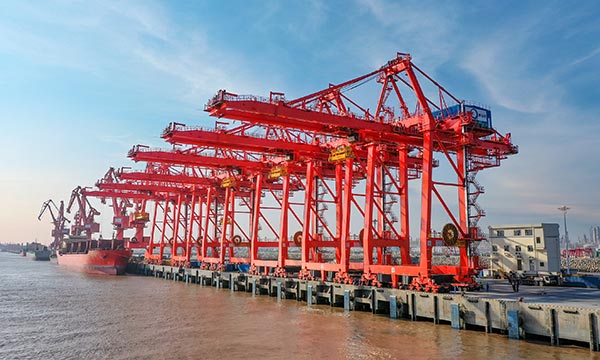
Ports and docks: In ports and docks, double-girder gantry cranes are used to move and stack containers. Their large span and high load-bearing capacity enable them to efficiently complete container loading and unloading tasks. They can cover a wide yard area and can perform loading and unloading operations at different locations, which improves the operating efficiency of the dock.
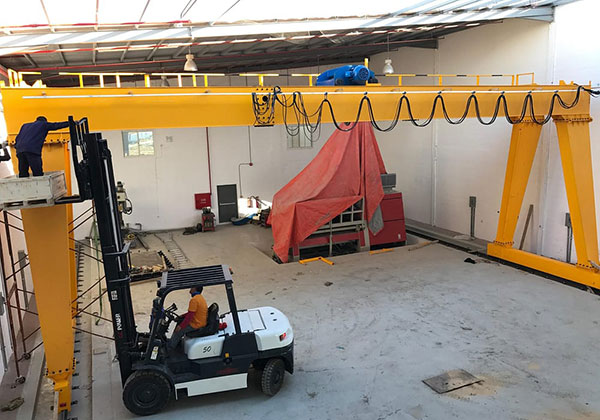
Industrial production lines: In manufacturing and heavy industry, double-girder gantry cranes are used to move large and heavy machinery and equipment, such as machine tools, generator sets and compressors. The large span and high load-bearing capacity can meet the transportation needs of heavy equipment and carry out efficient material flow between production lines.
Construction sites: On construction sites, double-girder gantry cranes are used to lift and move construction materials, such as precast concrete parts, steel structures and construction equipment. Their large span design allows them to cover a large area on construction sites, supporting efficient construction processes.
Energy industry: In the energy industry, such as power plants and petrochemical plants, they are used to install and maintain large equipment and components. They can handle heavy equipment, provide high stability and reliability, and ensure accurate installation and maintenance of equipment.
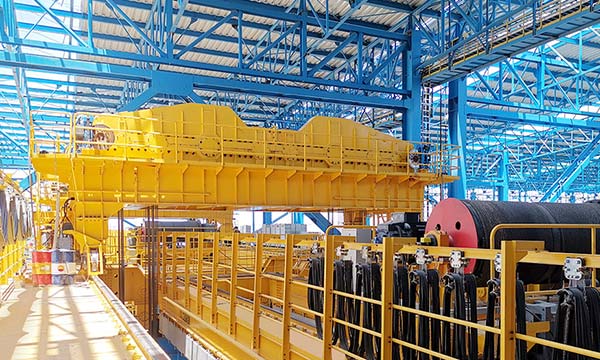
Metallurgy and Mining: In metallurgical plants and mining areas, it is used to transport ores, smelting materials and other heavy materials. It can adapt to operations in high temperatures and harsh environments, and provides strong lifting capacity and stability.

Advantages of electric hoist gantry crane
- Strong stability: Double girder gantry cranes use a double-beam structure, which can carry greater weight and load than single-beam cranes. This makes it suitable for handling and processing heavy materials, such as large machinery, steel, concrete components, etc. The double-beam design increases the stability of the structure, reduces deformation under load, and ensures the safe operation of the crane under high load.
- Large span: The design of double-beam gantry cranes allows for a larger span and can cover a wider working area. This is especially important for warehouses, docks or production workshops that need to cover a wide area. The trolley and car can move throughout the span, providing greater operational flexibility and coverage.
- High-speed operation: Double-beam gantry cranes are usually equipped with high-performance motors and control systems to support high-speed lifting and operation, which can improve work efficiency. Modern double-beam gantry cranes are equipped with advanced control systems, such as variable frequency speed regulators, which can achieve precise load control and positioning and improve operational accuracy.
- Multiple applications: Double-beam gantry cranes are suitable for a variety of applications, such as factory workshops, warehouses, docks, logistics centers, etc. Its scope of application includes material handling, loading and unloading, stacking, etc. Able to work in various environments, both indoors and outdoors, especially suitable for open-air workplaces such as ports and steel mills.
- High efficiency: Modern double-beam gantry cranes are equipped with high-efficiency motors and inverters, which can save energy and reduce energy consumption during operation. The use of advanced technology and materials reduces noise and exhaust emissions, meeting environmental protection requirements.

Main technical data

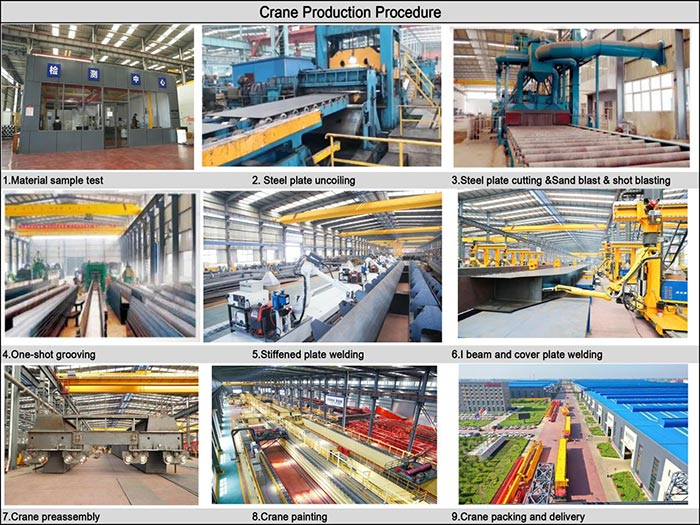
Crane production procedure
- Preliminary design: Understand the customer’s needs, including the specifications, load capacity, working range, operating environment, etc. of the crane. Ensure that the design meets the customer’s actual needs and working conditions. Carry out preliminary design according to the needs, including the design of the main beam, end beam, lifting system, trolley running mechanism, etc. Generate detailed engineering drawings and technical specifications for production and assembly.
- Material procurement: Select suitable material suppliers according to design requirements to ensure that the quality and specifications of the materials meet the standards. Inspect the purchased materials to ensure that they meet the design requirements and quality standards.
- Manufacturing and processing: Cut, weld, assemble and surface treat the main beam and end beam according to the engineering drawings. Produce and assemble lifting mechanisms, including drums, crane motors, reducers, brake systems, etc. Manufacture and assemble the running mechanisms of trolleys and large vehicles, including wheels, drive devices, guide devices, etc.
- Manufacturing and installation of electrical systems: Install electrical equipment such as motors, control cabinets, switches, sensors, etc. Configure and program control systems such as PLCs, frequency converters, and remote controls. Write control programs, set parameters, and test functions.
- System debugging: Comprehensively debug all systems of the crane, including the lifting system, operating mechanism, control system, etc. Carry out detailed performance tests to ensure that the crane can operate normally under various working conditions.
- Quality inspection: Carry out comprehensive quality inspection of the assembled crane, including structure, function and safety inspection. If necessary, conduct third-party quality inspection and certification to ensure compliance with industry standards and safety requirements.
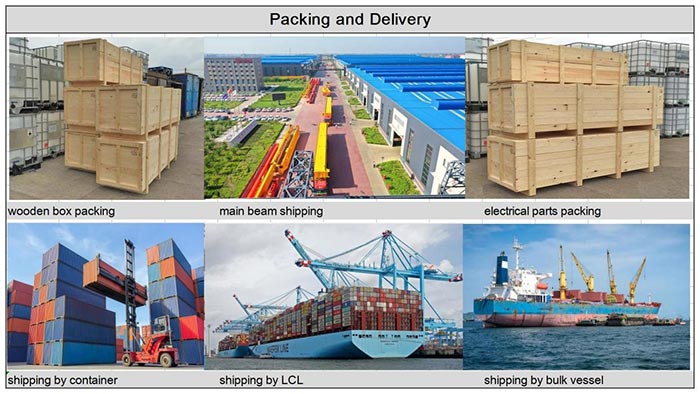
- Transportation and installation: Transport the assembled crane components to the installation site. Complete the final assembly and installation of the crane at the installation site. Carry out final debugging on site to ensure the normal operation of the crane in the actual working environment.
Global Market

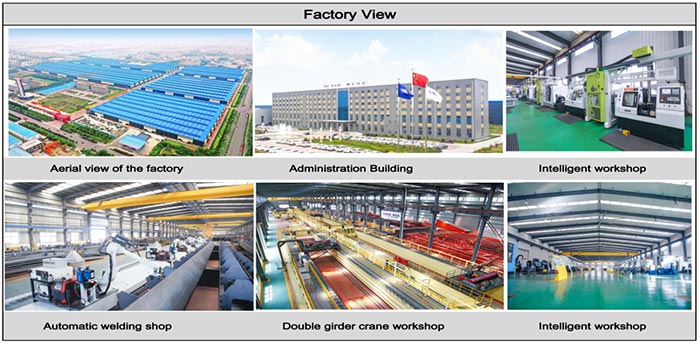
Workshop view
The company has installed an intelligent equipment management platform, and has installed 310 sets (sets) of handling and welding robots. After the completion of the plan, there will be more than 500 sets (sets), and the equipment networking rate will reach 95%. 32 welding lines have been put into use, 50 are planned to be installed, and the automation rate of the entire product line has reached.