
Preventive measures for common faults of gantry crane
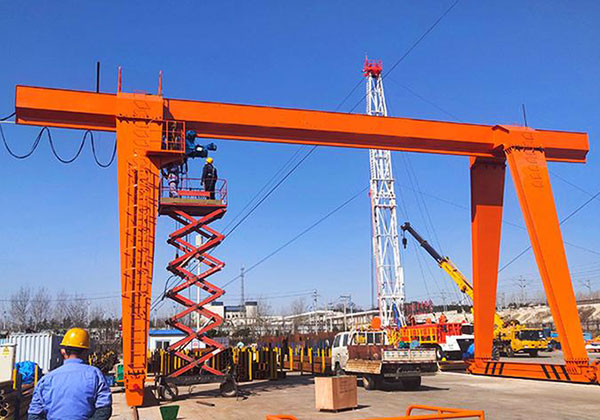
The gantry crane provides convenience for the production development of enterprises, reduces the workload of workers, and improves production efficiency. However, due to the unsafe factors of gantry cranes, accidents frequently occur, causing losses and suffering to the owners.
The main causes of gantry crane accidents are mechanical failures and misoperation. So, while standardizing the operation of operators, it is necessary to develop meticulous and effective preventive measures to ensure the safe operation of gantry cranes. Below will introduce several common preventive measures for component failures in gantry cranes.
Preventive measures for breaking and damaging steel wire ropes
Regularly lubricate the steel wire rope; Overloading is strictly prohibited, and the weight of goods lifted each time should not exceed the rated lifting capacity; Select appropriate steel wire ropes based on the usage environment and the working level of the gantry crane; Avoid sudden impact loads.
Preventive measures for crane reducer failure
The reducer is an important transmission component on a gantry crane. During the transmission of torque, the gears may experience faults such as tooth breakage, tooth surface adhesion, and tooth surface wear. The main causes of these faults include short-term overload or impact load on the gears, fatigue fracture caused by repeated bending, unclean lubricants, or lubrication failure. In response to the above situation, gantry cranes cannot be used for lifting, and the start and braking should be slow and stable. It is prohibited to suddenly reverse the vehicle in non-specific situations; Replace the lubricant in a timely manner, clean the housing thoroughly, and choose the appropriate type of lubricant; Regularly check if the lubricating oil is clean; If lubrication is found to be unclean, it should be replaced in a timely manner.
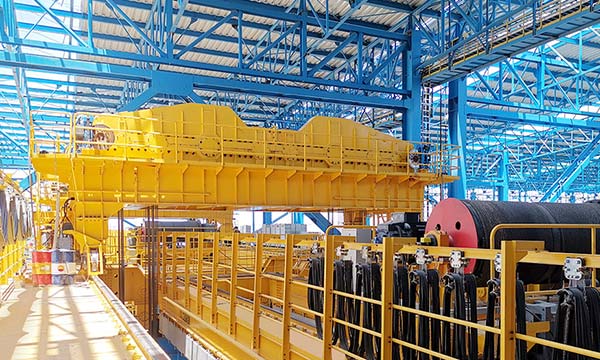
The drum is an important load-bearing component of a gantry crane, and during use, it may experience wall thinning, holes, and fracture faults. The cause of these faults is the mutual compression and friction between the drum and the steel wire rope. When the drum becomes thinner to a certain extent, it fractures due to the inability to withstand the pressure exerted by the steel wire rope. To prevent mechanical accidents such as the drum, according to national standards, when the drum wall wear reaches 20% of the original or cracks appear, it should be replaced in a timely manner. At the same time, attention should be paid to the hygiene of the operating environment and the lubrication of the drum and steel wire rope.