
Designing custom cranes for scrap handling: key features to consider
Designing custom cranes for scrap handling involves optimizing load capacity, durability, safety, and adaptability to improve efficiency and handle a variety of materials.
The scrap processing industry plays a vital role in recycling and waste management, handling a variety of materials from metal scrap to obsolete electronics. In this dynamic industry, optimizing efficiency is essential. Custom cranes are not only an added benefit, but also an important element to simplify the handling, sorting, and movement of scrap materials.
Custom cranes are designed to meet the specific needs of scrap processing facilities. They are designed to handle various types of scrap materials (such as heavy metal sheets or complex electronic components) more effectively than standard cranes. This is because custom cranes are designed to handle the unique challenges that scrap materials present, including their weight, shape, and size.
A practical tip is to consider custom cranes as an integral part of operational improvements within a scrap yard. They make the process smoother and safer by precisely managing loads and minimizing manual handling. This not only improves operational efficiency, but also reduces labor costs and reduces safety risks. Therefore, investing in a crane designed to your specific requirements is essential to achieve optimal performance in your waste handling.
All in all, custom cranes are essential to improving the efficiency and safety of your waste handling. They ensure that every type of waste material, no matter its size or complexity, is managed effectively.
Waste Handling Needs
In order to design an effective custom crane for waste handling, it is essential to understand the different types of waste materials and their associated challenges.
Waste Material Types: Waste handling involves a variety of materials, including metals, plastics, and paper. Metals can be lightweight aluminum or heavy steel beams. Plastics can be bottles or industrial parts. Paper can be everything from office documents to packaging materials. Each waste material has its own handling requirements and challenges.
Typical Handling Challenges: There are several difficulties associated with handling waste materials. For metals, the main challenges tend to be their weight and sharp edges, which can cause wear and tear on equipment. Plastics are bulky and tend to generate dust or debris, which can affect the performance and maintenance of the crane. Paper materials, on the other hand, are lightweight but may require careful handling to avoid unraveling or tearing.
Key Performance Requirements: To effectively handle these challenges, your crane needs to meet specific performance criteria. It should have the proper load capacity to handle the heaviest scrap you process. Additionally, the crane should have the flexibility to move and reach to handle scrap of different shapes and sizes. Speed and precision are also critical to ensure efficient processing and minimize downtime. Additionally, safety features are essential to protect equipment and personnel in scrap processing.
By understanding these aspects, you can better design a crane that meets the unique needs of your scrap processing facility.

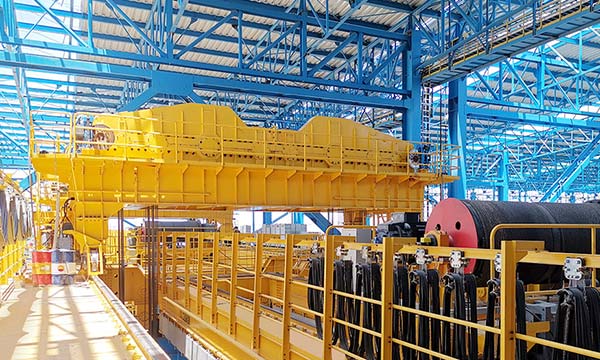
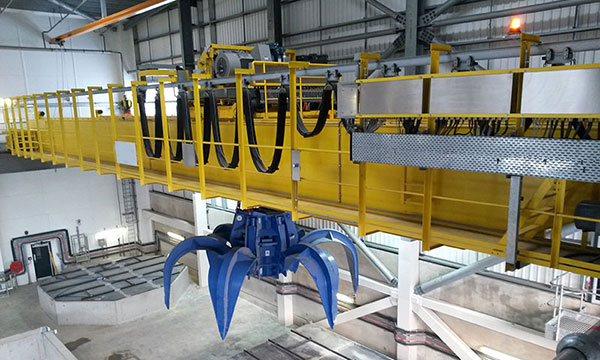
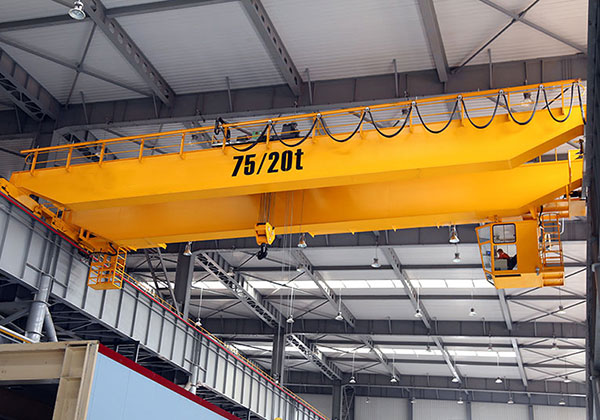
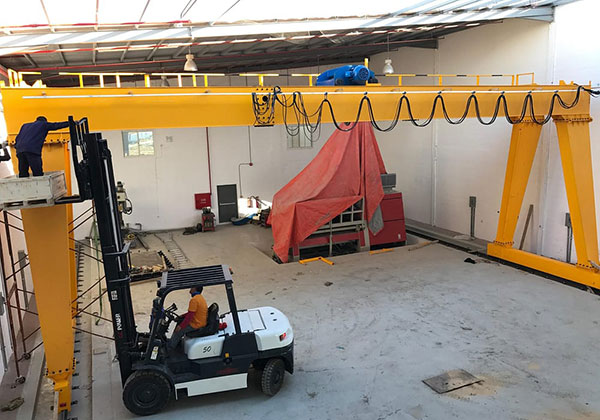
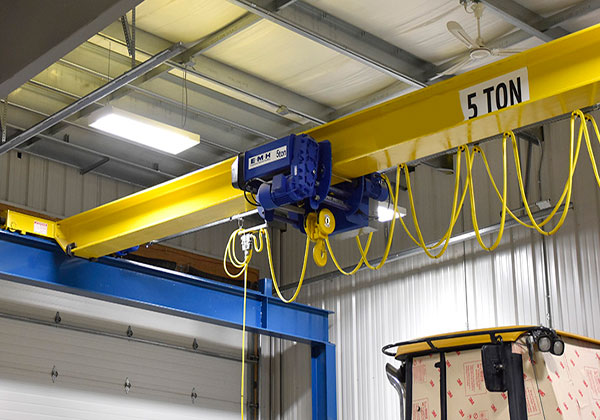
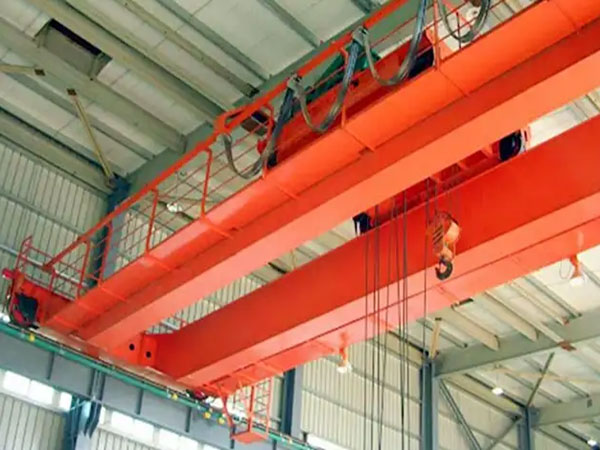
Scrap Handling Cranes for Sale, Custom Indoor Overhead Cranes for Your Selection
Load Capacity & Reach
Determining the Proper Load Capacity: A crane’s load capacity is a critical factor in its design, especially in scrap handling. This capacity must be adjusted based on the maximum weight of the scrap you routinely handle. For example, if your facility handles large, heavy metal beams, your crane will need a higher load capacity. Always consider the heaviest material you anticipate handling to avoid overloading and potential equipment failure.
Movement and Reach: In addition to load capacity, a crane’s movement and reach are also critical. A crane should be able to effectively cover the entire area of your processing facility. This means it should have enough reach to reach all parts of the work area without much repositioning. For example, if your scrap processing area is large or has multiple workstations, a crane with a longer boom or a wider rotation range will be more effective.
Examples of Load Capacity for Different Types of Scrap: Different types of scrap require different crane load capacities. For heavy metal scrap, such as steel beams or machinery parts, you may need a crane with a load capacity of 20 tons or more. For lighter materials, such as plastic bottles or paper, a crane with a load capacity of 5 to 10 tons may be sufficient. Always match the load capacity of the crane to the specific requirements of the material you are handling to ensure efficient and safe operation.
In summary, choosing the right load capacity and range for your crane is essential to effectively handling waste materials. By considering the type of waste and the layout of your facility, you can select a crane that will maximize performance and minimize operational challenges.
Durability and Strength
Material Selection for Robust Construction: The durability of a crane in a waste handling facility starts with the right material selection. Given the harsh conditions of waste handling, it is critical to use high-strength, durable materials. Steel is commonly used in crane construction due to its strength and resilience. Choosing high-grade steel or other rugged alloys can help ensure your crane can withstand the rough and abrasive nature of waste materials.
Reinforcement to Withstand Heavy and Abrasive Loads: Scrap can be heavy and very abrasive, which can cause significant wear on crane components. To combat this, key crane components, such as the boom and lifting mechanism, need to be reinforced. Adding additional supports, thicker steel plates, or protective coatings can help a crane withstand the stress and extend its life. For example, you can use hard facing technology or wear-resistant coatings on surfaces that come in contact with abrasive materials.
Design Considerations for Long-Term Durability: To ensure long-term durability, consider the following design aspects:
Sealed bearings and joints: Using sealed bearings and joints prevents premature wear caused by dust and debris.
Regular Maintenance Access: Design your crane so that maintenance tasks are easy to perform. This includes easy access to key components for inspection and repair.
Corrosion Protection: Apply anti-corrosion treatments or coatings, especially if the crane is exposed to outdoor environments or corrosive substances. This helps prevent rust and deterioration over time.
By focusing on sturdy material selection, reinforcement for heavy and abrasive loads, and thoughtful durability design, you can build a crane that can withstand the rigors of scrap handling and provide reliable performance for years to come.
Operational Efficiency
Speed and Precision in Scrap Handling: In scrap handling, speed and precision are essential to maximize efficiency. A fast-running crane can move more scrap in less time, increasing productivity. Precision is equally important; it ensures accurate handling of materials, minimizes errors, and reduces the risk of damage. For example, if your crane can quickly and accurately locate scrap for sorting or shredding, it will help streamline the entire process.
Integration with Existing Processing Systems: For a crane to be truly effective, it needs to work seamlessly with your current processing systems. This means integrating the crane’s operation with other machinery, such as conveyors or shredders, to ensure a smooth flow of material. Consider how the crane will interact with these systems and whether it needs to be synchronized with other equipment. A well-integrated crane setup reduces bottlenecks and improves overall workflow efficiency.
Automation Options and Control Systems: Automation can significantly improve operational efficiency by reducing the need for human intervention. Modern cranes can be equipped with advanced control systems that enable programmable motion and automated operation. Features such as remote control, touchscreens, and automatic load handling can make crane operation more efficient and less labor-intensive. Automation can also improve consistency and accuracy, which can reduce errors and create a safer work environment.
By focusing on speed and precision, ensuring smooth integration with existing systems, and exploring automation options, you can improve the efficiency of your crane’s operations. This not only increases productivity, but also helps create a leaner, more efficient scrap handling operation.
Safety Features
Safety Standards and Regulations: Ensuring that your crane meets safety standards and regulations is fundamental to scrap handling. Complying with local and international safety regulations can help prevent accidents and ensure that cranes are operating safely within your facility. Be familiar with relevant safety standards, such as those set by OSHA (Occupational Safety and Health Administration) or ISO (International Organization for Standardization). Complying with these regulations will not only protect your employees, but also reduce the risk of legal issues.
Emergency stop systems and overload protection: Emergency stop systems are essential to immediately stop crane operations in an emergency. These systems allow operators to quickly shut down the crane if a problem arises, preventing potential accidents or equipment damage. Additionally, overload protection systems are essential to prevent cranes from lifting more weight than they are capable of, which could cause structural failure or accidents. These features ensure that cranes remain within safe operating ranges and protect equipment and personnel.
Operator safety and ergonomics: Safety and comfort for crane operators is essential. Ergonomic design minimizes physical stress and reduces the risk of operator fatigue. This includes features such as adjustable seats, intuitive control panels, and easy-to-use interfaces. Providing a comfortable and safe work environment helps improve operator performance and reduces the likelihood of accidents. Additionally, consider providing safety training for operators to familiarize them with the crane’s functions and emergency procedures.
In summary, employing strong safety features, such as compliance with safety standards, emergency stop systems, overload protection, and ergonomic design, ensures safer, more efficient operations. Prioritizing these elements helps create a safe working environment and improves the overall reliability of cranes in waste handling facilities.

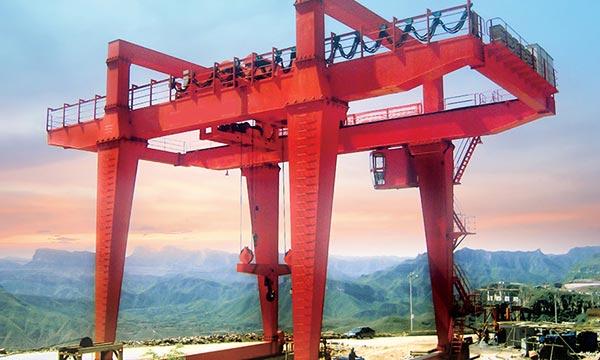
Giant gantry crane for scrap steel yard
Environmental considerations
Corrosion protection for harsh environments: During scrap processing, cranes are often exposed to harsh environments, including exposure to moisture, chemicals, and corrosive substances. In order to extend the life of the crane and maintain its performance, corrosion protection is essential. The use of specialized coatings or the use of corrosion-resistant materials can prevent the crane from rusting and damage. For example, galvanized or powder-coated surfaces can significantly reduce the impact of environmental factors, ensuring that the crane remains functional and reliable for a long time.
Dust and debris management: Scrap processing generates a lot of dust and debris, which can affect the performance and maintenance of the crane. It is crucial to implement an effective dust and debris management system. This may include installing a dust collection system or using an enclosure to protect sensitive components. Regular cleaning and maintenance programs also help keep the crane in good working condition. Proper dust management not only extends the life of the crane, but also creates a safer and cleaner working environment.
Energy-saving and environmentally friendly design solutions: It is becoming increasingly important to consider energy conservation and environmental impact when designing cranes. Consider energy-saving features such as variable frequency drives (VFDs) or LED lighting. These components can reduce energy consumption and lower operating costs. Additionally, explore environmentally friendly design options, such as using recyclable materials or designing for easy disassembly at the end of a crane’s useful life. Implementing these practices not only benefits the environment, but also meets sustainability goals and regulations.
Incorporating these environmental considerations into crane design ensures it performs well in challenging conditions while contributing to greener, more sustainable operations. By focusing on corrosion protection, managing dust and debris, and integrating energy-efficient design options, you can create equipment that is more durable, greener, and more efficient.
Maintenance and Accessibility
Ease of maintenance and serviceability: Designing a crane with maintenance in mind is critical to ensuring long-term reliability and performance. Cranes should be constructed to allow easy access to key components for routine inspections and repairs. Features such as removable panels, accessible lubrication points, and clear maintenance paths can simplify these tasks. Prioritizing a design that is easy to maintain not only reduces downtime, but also minimizes the risk of costly repairs.
Designed for quick replacement and repair of parts: The ability to quickly replace parts and perform repairs is critical to keeping a crane operational. With modular components, they can be easily replaced or repaired without removing large parts of the crane. This approach speeds up the repair process and reduces the amount of time a crane is out of service. Additionally, using standardized parts can make sourcing replacements easier and more cost-effective.
Maintenance Programs and Operator Training: A regular maintenance program is key to preventing problems from developing into major issues. Develop a routine maintenance schedule that includes regular inspections, lubrication, and parts replacement. Providing training for operators and maintenance personnel is also important. Proper training ensures personnel understand how to perform maintenance tasks correctly and safely, as well as how to recognize signs of potential problems early on.
By focusing on ease of maintenance, quick parts replacement, and comprehensive training, you can ensure your cranes stay in top condition. This proactive approach helps maintain operational efficiency, extend the life of your cranes, and minimize the risk of unexpected failures.
Customization and Adaptability
Modular design for future upgrades: Modular design is a smart choice when planning for future upgrades and changes in your scrap handling needs. By designing your crane using modular components, you can easily expand and modify without having to replace the entire system. For example, if your processing needs change or you start handling new types of scrap, you can simply add or replace modules to accommodate those changes. This flexibility ensures your cranes remain relevant and effective as your business grows and evolves.
Customized attachments and tools for specific scrap types: Different types of scrap require different handling methods. Custom attachments and tools can significantly improve efficiency and safety. For example, you may need a specialized grapple for metal scrap, a magnet for ferrous materials, or a clamshell bucket for loose paper. By equipping your crane with the right attachments, you can optimize its performance for handling a variety of scrap types and ensure it handles each material in the most efficient way possible.
Flexibility in crane configuration and operation: Flexibility in crane configuration and operation is key to adapting to changing scrap handling requirements. This means that the crane should be configurable to handle different tasks, from lifting and moving to sorting and loading. Features such as adjustable boom lengths, variable speed controls, and programmable operating modes can enhance this flexibility. Cranes that offer a range of operating settings and configurations allow you to tailor their performance to meet specific needs, increasing overall efficiency and versatility.
Incorporating customization and adaptability into crane design ensures it can grow with your business and effectively handle a variety of scrap types. By investing in modular design, custom attachments, and flexible operation, you can build a crane that not only meets your current needs, but can also handle future changes and challenges.
Conclusion
Summary of key design considerations: There are several key factors to consider when designing a custom crane for scrap handling. Key factors include load capacity and range to effectively handle various waste types, durability and strength to withstand harsh conditions, and safety features to protect the crane and its operators. Additionally, operational efficiency, environmental considerations, maintenance accessibility, and adaptability to future needs are critical to ensure long-term performance and effectiveness.
Impact of Customized Cranes on Waste Handling Efficiency: Customized cranes play an important role in improving waste handling efficiency. By customizing a crane to your specific needs, you can optimize handling speed, accuracy, and integration with existing systems. This can result in smoother operations, reduced downtime, and increased productivity. Customized features such as specialized attachments and automation further help streamline processes and better manage waste.
Future Trends in Crane Design for the Scrap Industry: Looking ahead, crane design for the scrap industry is likely to continue to evolve as technology and sustainability advances. Trends such as increased automation, energy-efficient systems, and smarter, more adaptable designs will become more prevalent. Additionally, the focus on environmentally friendly materials and processes will continue to increase, reflecting the industry’s commitment to reducing environmental impact. Keeping up with these trends will help ensure your scrap handling operations remain efficient and forward-looking.
In summary, careful consideration of these design factors and adapting to future trends will lead to more effective and efficient waste handling. A well-designed custom crane will not only meet current needs, but will also accommodate future requirements, ensuring the long-term success of the waste industry.