
Description
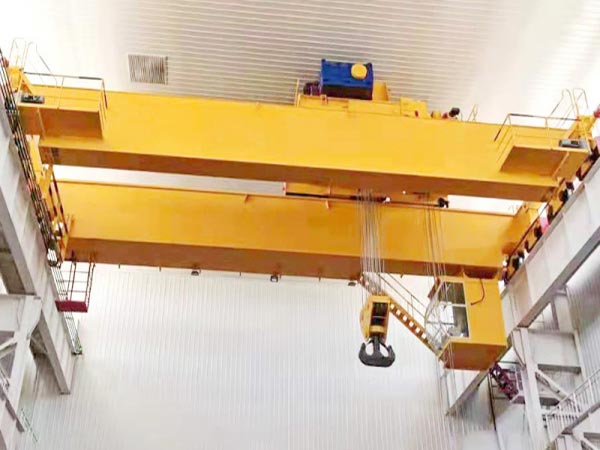
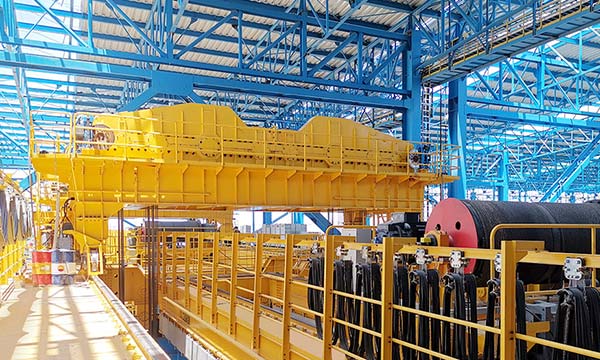
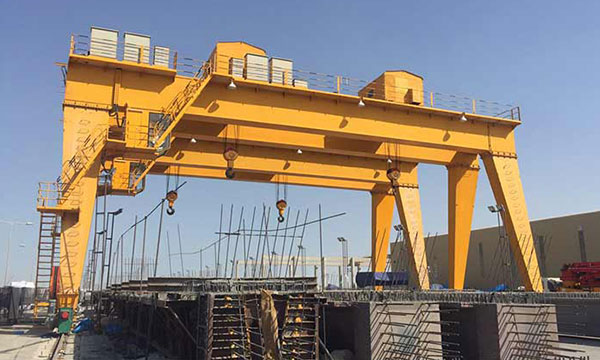
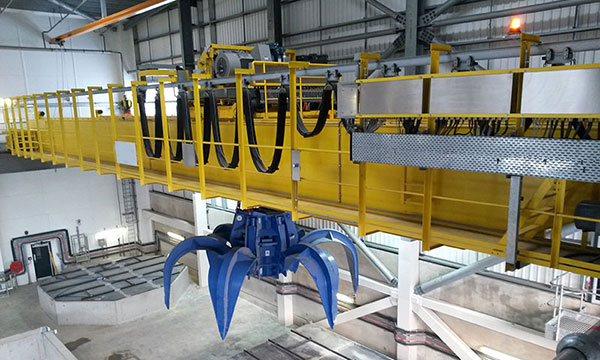
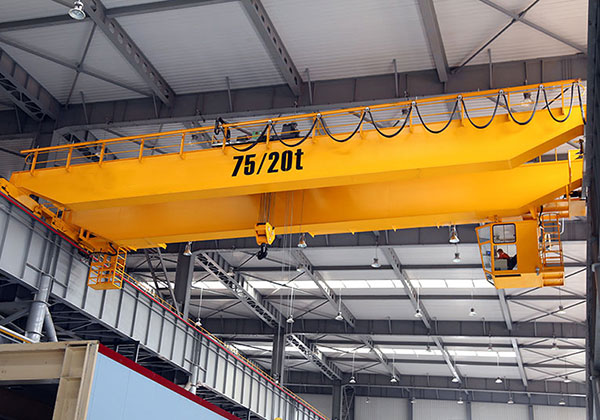
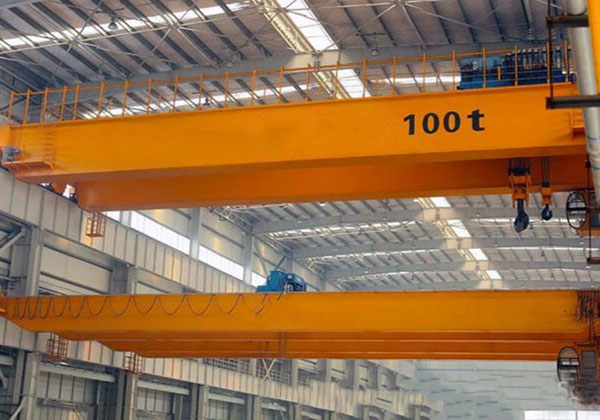
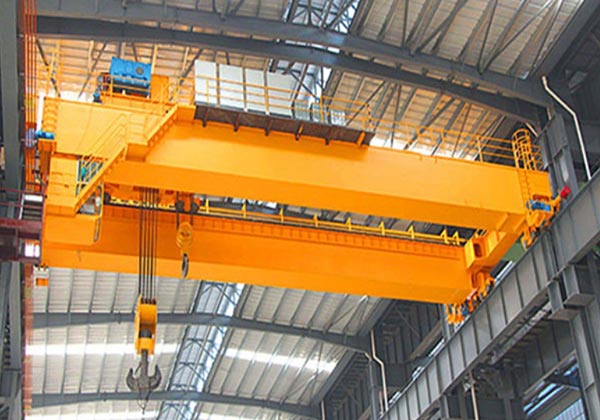
100-ton heavy-duty double girder overhead crane stands as a pinnacle of advanced engineering. Developed independently and crafted meticulously to align with market demands, this crane redefines industry standards. Manufactured in accordance with European FEM standards, it seamlessly blends cutting-edge innovation with the robust foundation of traditional crane design. Trust in our expertise; we are the leading manufacturers of this state-of-the-art crane, engineered for supreme efficiency and performance.
Components of 100 ton overhead crane
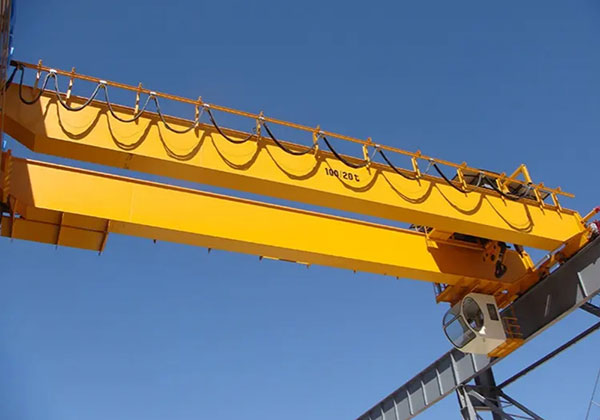
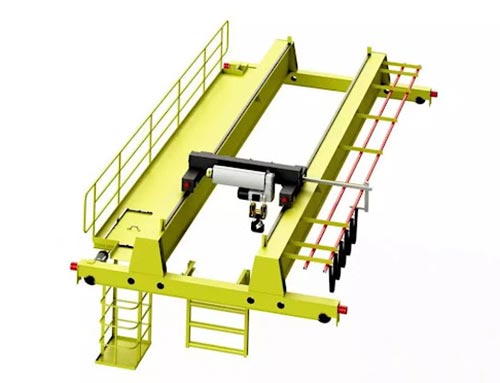
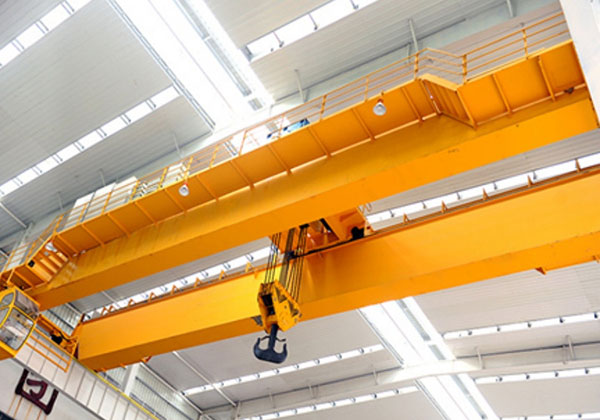
1. Girder: A girder of a double girder overhead crane is one of the two parallel girders that support the beam of the crane. It is made of steel and is strong enough to support the weight of the beam and the objects being lifted. The girders of the crane are connected by crossbeams and bracing, which provide additional support and stability. The girders of the crane are also equipped with wheels and rollers, which allow them to move easily over the floor or ceiling.
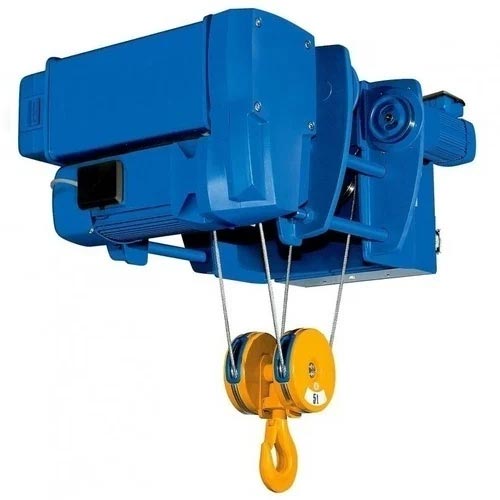
2. Lifting Mechanism: The lifting mechanism of a double-girder overhead crane is a complex system that includes the hoist, the cables,and the pulleys. The hoist is a motorized device that is connected to the overhead crane girder and can lift the load. The cables are made of steel or synthetic fibres and are attached to the hoist and the load. The pulleys are large wheels used to change the direction of the cables and reduce the force required to lift the load. The crane’s lifting mechanism is designed to be safe and reliable, and is regularly maintained and inspected to ensure it is working properly.
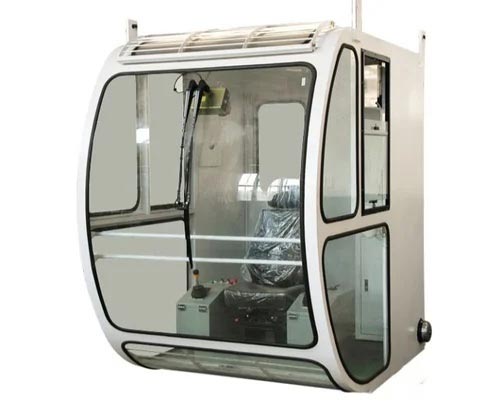
3. Driver room: The operator’s room of a double girder overhead travelling crane is an enclosed compartment where the operator sits and controls the crane. It is usually located at one end of the crane girder and provides the operator with a good view of the lifting area.
The operator’s cab also contains instruments such as pressure gauges, indicators, and sometimes a small computer or screen that displays information about the status and operation of the crane. Safety features such as emergency stop buttons and alarms are standard for the operator.
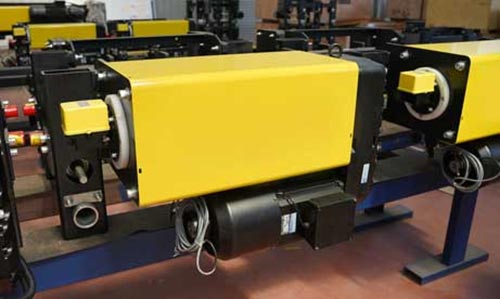
4. Hoist: An overhead crane’s hoist lifts and lowers a load by means of a drum or lift-wheel, in which chain or wire rope wraps around. Hoists can be defined by two main characteristics: The lifting medium (wire rope or chain) used to support the load.
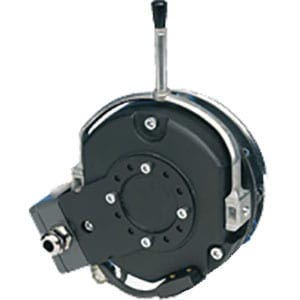
5. Brake system: The brake system of a double overhead crane is a critical safety feature that prevents uncontrolled movement or descent of the lifted load and maintains the crane in position when not in operation. There are many types of braking systems used on overhead cranes, but they generally fall into two categories: mechanical brakes and electric brakes.
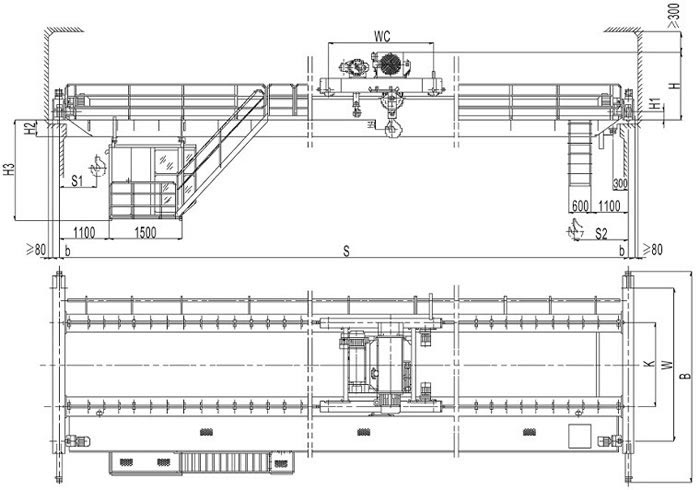
6. Sketch:
Application of 100 ton overhead crane
Mining Operations: In mining environments, these cranes are used for material handling and equipment maintenance.
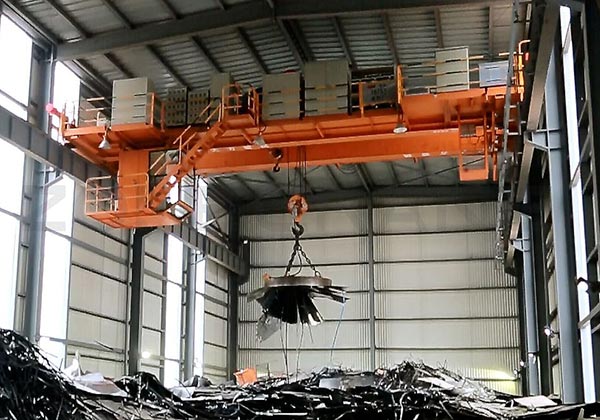
Metal Recycling: In metal recycling facilities, double girder cranes are employed to handle scrap metal and sort recyclable materials.
Forestry: In the forestry industry, these cranes are used for loading and unloading logs and lumber.
Automotive Manufacturing: For lifting engines, gearboxes, and other heavy components in automotive assembly plants.
Warehousing and Distribution Centers: In large warehouses and distribution centers, double girder cranes are used for moving pallets, large packages, and other heavy items.
Maintenance and Repair: In facilities where heavy machinery needs to be maintained or repaired, these cranes provide the necessary lifting capacity to handle large components.
Wind Turbine Assembly: In the assembly and maintenance of wind turbines, double girder cranes are used to lift the heavy blades and nacelle components.
Oil Rigs and Refineries: For moving equipment and materials in the construction and maintenance of oil rigs and refineries.
Bridge Construction: In the construction of bridges, double girder cranes are used to lift and place beams and other structural components.
Theater and Film Production: In the entertainment industry, these cranes are sometimes used for moving sets, equipment, and even actors in large-scale productions.
Advantages of 100 ton overhead crane
Enhanced Rigidity and Durability: The dual-girder design provides superior rigidity, reducing the flexibility and bending of the crane structure under load. This makes them less prone to deflection and twisting, extending the crane’s lifespan and reducing maintenance costs.
Better Lifting Heights: Due to their robust construction, double girder cranes can operate at higher lifting heights compared to single girder cranes, providing greater flexibility in operations that require high-level lifting.
Greater Span Widths: These cranes can cover larger distances, allowing them to serve a broader area within a facility. This is particularly useful in warehouses or manufacturing plants with expansive layouts.
Higher Workload Threshold: Double girder cranes are designed to handle continuous and intense workloads, making them suitable for environments with high cycle times and demanding operational needs.
Ease of Load Handling: The dual-girder design facilitates more precise load positioning and control, which is crucial in tasks requiring accurate placement of heavy objects.
Versatility: Double girder cranes often come with additional features and options, such as anti-sway mechanisms, micro-speed controls, and programmable logic controllers (PLCs), enhancing their functionality and safety.
Adaptability: They can be customized with various lifting mechanisms, hoists, and trolleys to accommodate different types of loads and lifting scenarios.
Safety: With enhanced stability and control, double girder cranes prioritize safety, reducing the risk of accidents and damage to property or personnel.
Global Market
Crane production procedure
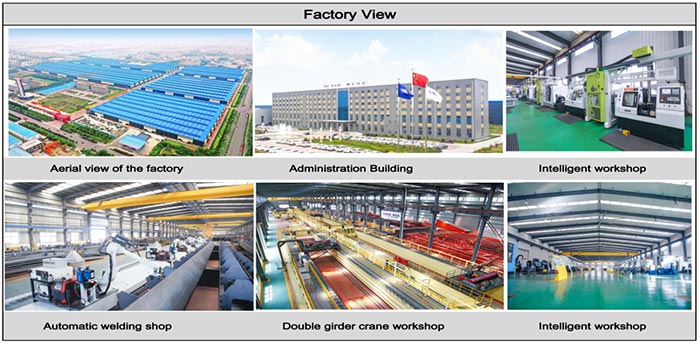
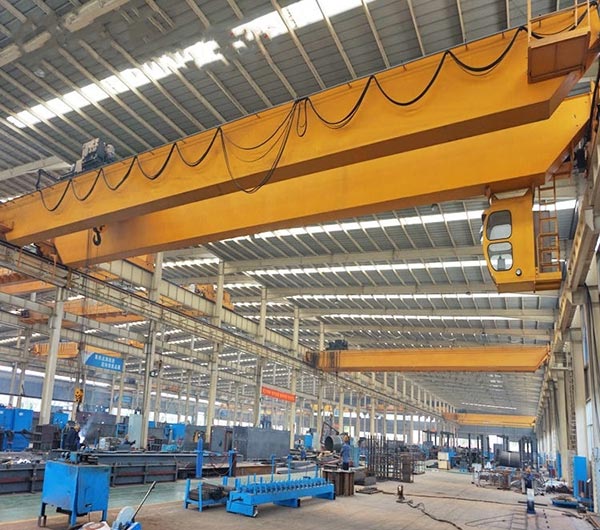
Workshop view
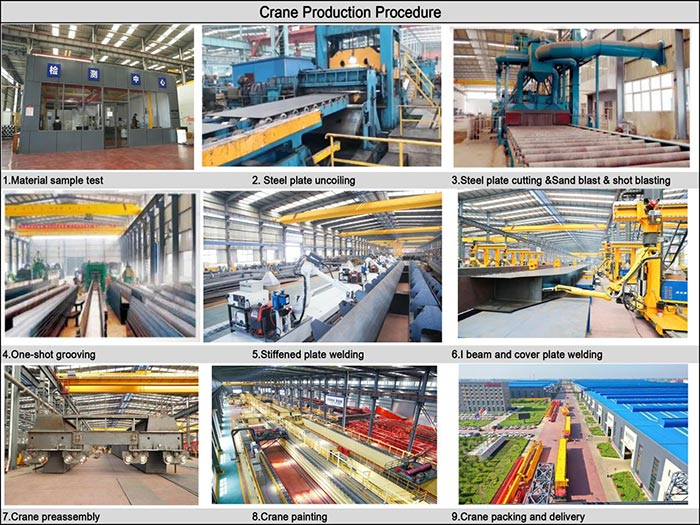
The company has installed an intelligent equipment management platform, and has installed 310 sets (sets) of handling and welding robots. After the completion of the plan, there will be more than 500 sets (sets), and the equipment networking rate will reach 95%. 32 welding lines have been put into use, 50 are planned to be installed, and the automation rate of the entire product line has reached.