
What are the differences between single and double beam gantry cranes?
There are significant differences between single and double girder gantry cranes in terms of structure, application scenarios, and load-bearing capacity. Here are their main differences:
1. Structure
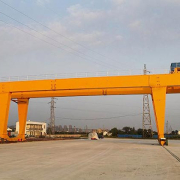
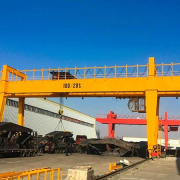
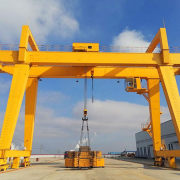
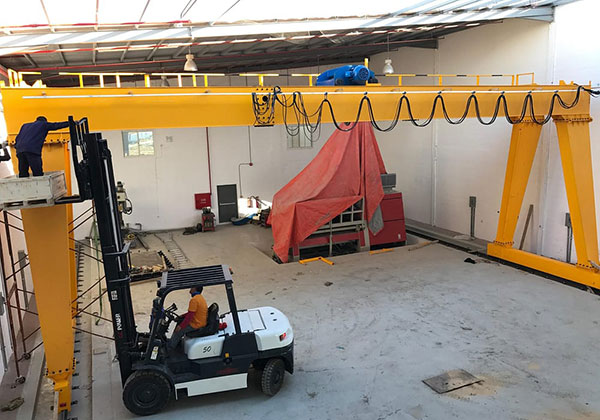
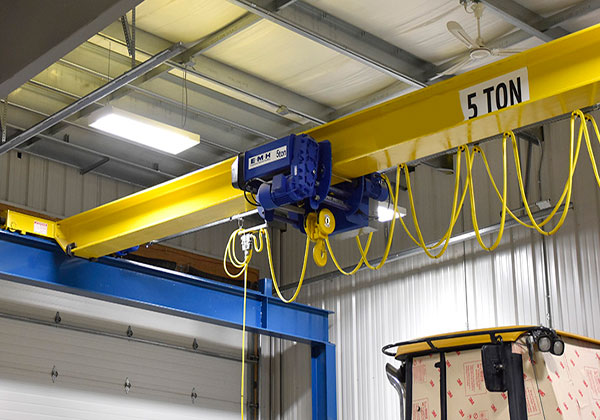
Single-girder gantry crane: A single-girder gantry crane has only one main beam, and the lifting trolley is usually suspended below the main beam. The structure of the entire crane is relatively simple and lightweight.
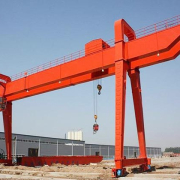
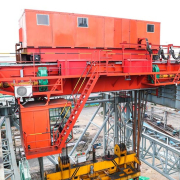
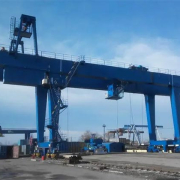
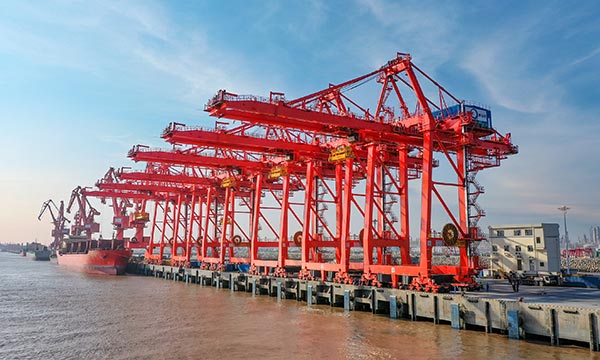
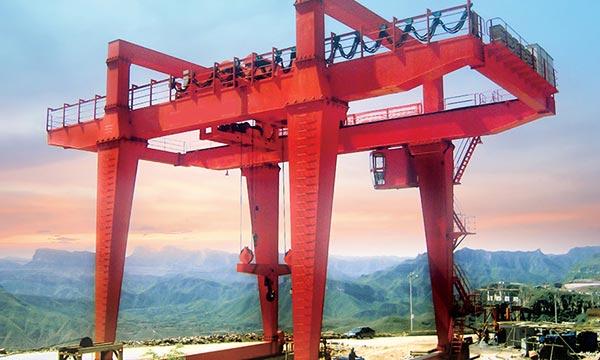
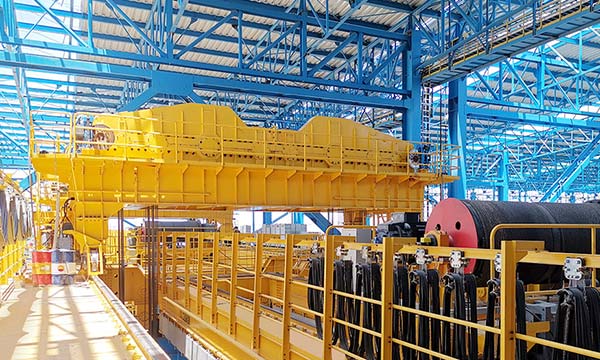
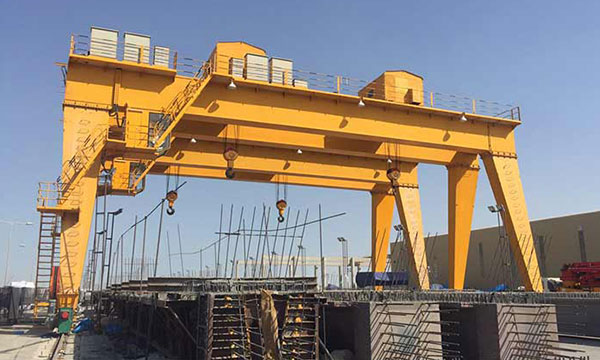
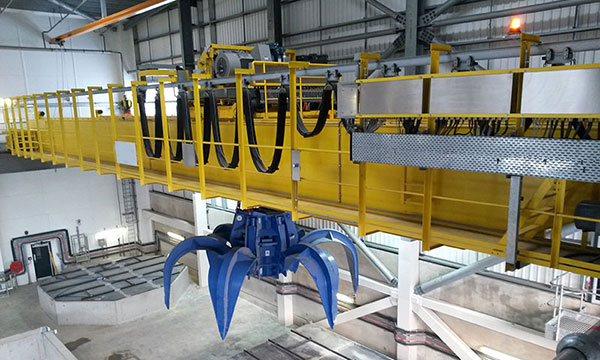
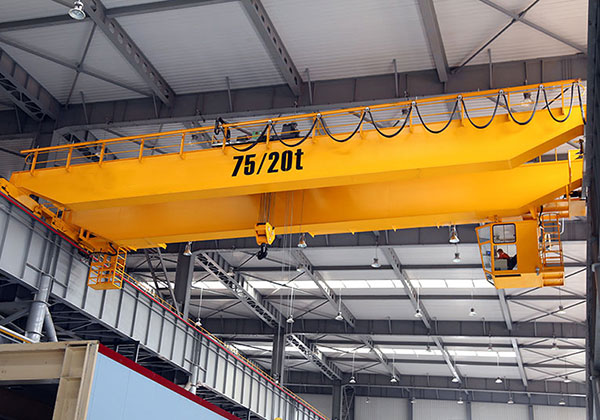
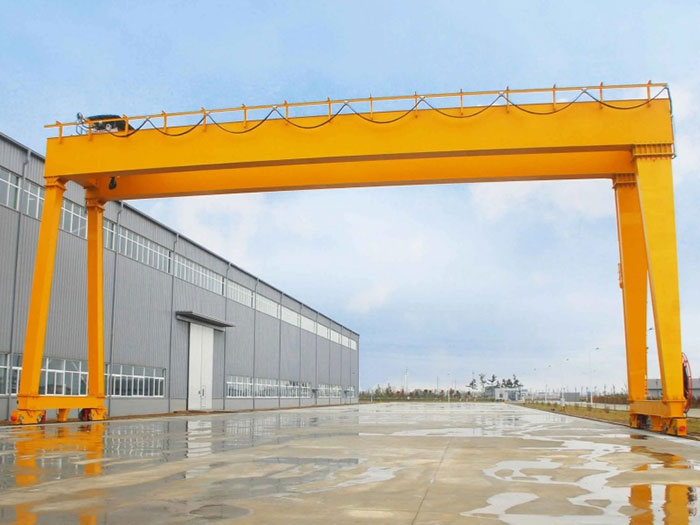
Double-girder gantry crane: A double-girder gantry crane has two parallel main beams, and the lifting trolley is usually located between the two main beams. This structure makes the crane more stable and suitable for larger loads.
2. Carrying capacity
Single-girder gantry crane: Due to its simple structure, single-girder gantry crane has a relatively low load-bearing capacity and is usually suitable for light or medium loads, with loads generally below 10 tons.
Double-girder gantry crane: The double-girder gantry crane has a high carrying capacity and is suitable for heavy loads. The load range can reach tens of tons or even higher.
3. Lifting height
Single-beam gantry crane: The lifting height is limited by the structure and strength of the single main beam, which is usually low and suitable for medium-to-low height material handling.
Double-girder gantry crane: Due to the double-girder design, the lifting height is larger and can be used in higher operating scenarios.
4. Application scenarios
Single-girder gantry crane: suitable for light industry, warehouses, workshops and other occasions, especially those that require high flexibility and low cost.
Double-girder gantry crane: suitable for heavy industry, shipyards, large construction sites and other scenarios that require high load-bearing capacity and stability, especially in the handling of large objects.
5. Cost
Single-girder gantry crane: Due to its simplified design and materials, it is cheaper to manufacture and install, making it suitable for projects with lower budgets.
Double-girder gantry crane: Due to its complex structure, more materials, and higher cost, it is suitable for occasions with higher performance and load-bearing capacity requirements.
6. Stability
Single-girder gantry crane: relatively low stability, suitable for applications with small loads and low stability requirements.
Double-girder gantry crane: It has higher structural stability and can better resist lateral and longitudinal shaking.
7. Repair and maintenance
Single-girder gantry crane: Due to its simple structure, repair and maintenance are easier and the cost is lower.
Double-girder gantry crane: Due to its complex structure, repair and maintenance may be cumbersome and the cost is relatively high.