
Battery Portable Jib Cranes Designed for Increased Mobility
Battery Portable Jib Cranes
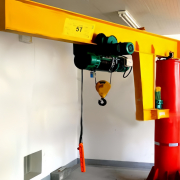
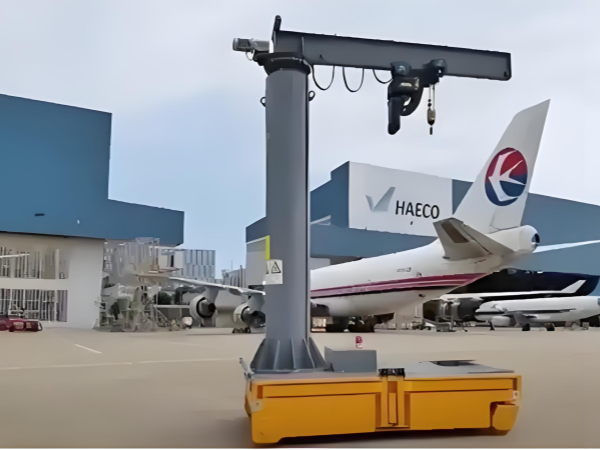
Battery portable jib cranes are versatile lifting equipment designed to be easily moved and used in different locations. They feature a boom that can be extended horizontally to allow for easy lifting and maneuvering of loads. Unlike fixed cranes, these portable cranes are equipped with wheels and a battery-powered system that allows for quick and efficient movement between different work areas.
The Importance of Portable Crane Mobility
Mobility is a game-changer in industrial settings. Imagine needing to move equipment from one corner of a shop floor to another, or from one location to another – a battery portable jib crane can make this possible without having to dismantle or reconfigure the crane each time. This flexibility can significantly increase productivity and simplify operations, especially in dynamic environments where space and layouts often change.
The Benefits of Increased Mobility in Various Industrial Applications
Enhanced mobility brings many benefits. In a busy warehouse or manufacturing plant, a more maneuverable crane can quickly adapt to changing tasks and locations, reducing downtime and increasing efficiency. For example, if you’re moving components on a production line or repositioning tools in a tight space, a crane that glides smoothly and easily can make a huge difference. Additionally, better maneuverability means less physical strain on the operator, allowing them to work with less stress and more efficiency.
Essentially, these design upgrades change the way you interact with the crane, making it a more intuitive tool that adapts to your specific needs. Whether you’re handling large, heavy loads or working in tight spaces, the improved maneuverability of a modern battery-powered jib crane ensures you can get the job done smoothly and efficiently.

Battery Portable Jib Cranes for Sale
Innovations in Portable Crane Design
Advanced Wheel Systems
Wheel Types
Swivel Casters
Swivel casters are revolutionary for portable cranes, allowing you to rotate your mobile crane 360 degrees. This means you can easily maneuver around obstacles and make tight turns. Imagine driving a car in a parking lot — you have the same flexibility, but with a crane! This feature is especially useful in tight or cluttered environments where precise positioning is key.
Pneumatic Tires
Pneumatic tires are like the air-filled tires on your car, providing cushioning and a smoother ride over uneven surfaces. If you’re working outdoors on rough floors or where the ground isn’t completely flat, pneumatic tires absorb shocks and bumps, making the crane’s movements more stable and less jarring. This helps protect the crane and the items you’re lifting from unnecessary stress or damage.
Locking Mechanism
The locking mechanism is essential to ensure stability during operation. Once the crane is positioned where you want it, locking the wheels in place prevents unwanted movement. This feature is essential for safety and precision, especially when you’re handling heavy objects or working in busy areas where stability is a must.
Wheel Configuration
Fixed vs. Moving Wheels
Fixed wheels stay in one direction and are great for moving a crane in a straight line. They provide stability and support, especially when the crane is under load. Moving wheels, on the other hand, can rotate, allowing the crane to be turned and maneuvered easily. Using a combination of these types of wheels gives you the best of both worlds – stability when you need it and flexibility when you don’t.
Adjustable Wheel Systems
Adjustable wheel systems are completely customizable. They allow you to tailor the crane’s mobility to suit different environments. For example, if you need to navigate a rough outdoor field today and a smooth indoor surface tomorrow, the adjustable wheels can be set up to suit each situation. This adaptability means you get a crane that is not only versatile, but also designed to suit your specific needs.
Lightweight Materials
Material Innovations
Aluminum Alloys
Aluminum alloys are like the secret to reducing the weight of a crane while still maintaining its strength. These materials are extremely light, yet still strong enough to handle considerable loads. Think of aluminum alloys like the frame of a high-performance bicycle – they are strong and durable without weighing you down. This makes the crane easier to move and position, especially when moving it around a busy workshop or construction site.
Composites
Composites such as carbon fiber or fiberglass are another advancement in crane design. They combine multiple substances to create a material that is both lightweight and very durable. Imagine a high-tech sports car with a composite body – it’s strong yet lightweight, which means better performance and efficiency. In cranes, these materials help reduce overall weight without compromising strength, making them ideal for heavy-duty tasks.
High-strength plastics
High-strength plastics offer the perfect balance between lightness and load-bearing capacity. They’re like modern, lightweight polymers used in a variety of high-tech applications, offering both strength and flexibility. Used in areas of the crane where traditional metals might be too heavy, these plastics offer a good combination of durability and weight reduction. This helps maintain high performance without sacrificing the crane’s ability to carry large loads.
Impact on Crane Performance
Reduce Overall Weight
Using lightweight materials has a direct impact on the performance of the crane. A lighter crane is easier to transport, whether moving it around the factory floor or loading it onto a truck for transportation. The reduced weight also means less stress on the operator and less wear and tear on the crane itself. It’s like switching from a heavy truck to an agile sports car – easier to operate and more nimble.
Enhanced Load Capacity
While it may seem counterintuitive, using lightweight materials can actually increase the load capacity of your crane. By reducing the weight of the crane itself, you free up more capacity to carry the loads that need to be lifted. This means that not only do you get a crane that is easier to move around, but one that can handle larger payloads. It’s similar to making a roomier car by removing unnecessary weight – making more room for the things that really matter.
Ergonomic Features
Design Considerations
Adjustable Handles
Adjustable handles are like adding an element of personalization to your crane. They allow the operator to customize the height and position of the handles to their personal preferences. This means that whether you are tall or short, you can set up the crane just right so that it feels just right in your hands. It’s all about making operation as comfortable as possible, reducing strain on your back and shoulders, and giving you better control of the crane.
User-Friendly Controls
User-friendly controls are designed to simplify the operation of the crane, making it more intuitive and easier to use. Modern crane controls are easy to understand and operate, often with color-coded buttons and an ergonomic layout. Think of it as an upgrade from a complex, confusing remote control to one with clear, easy-to-press buttons. Not only does this speed up operations, it also reduces the potential for errors, resulting in a smoother, more efficient workflow.
Compact and foldable designs
Compact and foldable designs change the way storage and transportation are handled. Many portable jib cranes now feature designs that can be easily folded or disassembled. It’s like having a foldable chair – it can be neatly stowed away when not in use. This makes the crane easier to store in tight spaces or transport between locations, saving time and space.
Operator comfort
Reduced physical strain
Ergonomic design focuses on minimizing physical strain on the operator. Features such as adjustable handles and user-friendly controls are specifically designed to reduce fatigue and make the crane easier to operate. Imagine working with a tool that’s tailored to your comfort level – less muscle strain, less fatigue, and more efficiency. By designing a crane that meets the needs of the operator, you can reduce injuries and have a more enjoyable working experience.
Improved visibility
Improved visibility is essential for safe and precise operation. Modern cranes often have features such as clear sight lines and well-placed controls, ensuring that operators can clearly see their work area. This can be likened to a clear windshield on a car – better visibility means you can navigate more accurately and avoid obstacles. Enhanced visibility not only improves safety, it also facilitates precise maneuvers, ensuring that loads are delivered exactly where they need to be.
Benefits of Enhanced Mobility
Increased Flexibility
Adapts to Various Environments
The enhanced mobility of portable jib cranes means they can easily adapt to different work environments. Whether you’re navigating a tight warehouse or navigating a busy construction site, a crane with advanced mobility features can handle it. It’s like having a versatile tool that can adapt to any situation, making it easier to work efficiently even in tight or confined spaces. This adaptability ensures that you can move the crane to the exact location you need it to be, without being restricted by the layout of your workspace.
Versatility for Different Tasks
Portable jib cranes with improved mobility are not only easy to move around, but they are also versatile. These cranes are designed to handle a variety of tasks in a variety of industrial applications. From lifting and positioning heavy equipment to moving materials between locations, enhanced mobility allows the crane to take on different roles as needed. It’s like having a multi-purpose tool that can switch between functions, making it a valuable asset for different operations.
Increase operational efficiency
Faster installation and relocation
One of the biggest advantages of enhanced mobility is the ability to quickly install and reposition the crane. When a crane can be easily moved from one place to another, you can reduce downtime and keep your workflow moving smoothly. This quick installation and repositioning means less time spent moving equipment and more time getting the job done. It’s similar to having a quick release system on your tool – speed and efficiency are what counts.
Improved precision
Better maneuverability means better load control and positioning. When a crane is easy to operate, you can be more precise in placing the load exactly where it needs to be. This improved control reduces the potential for error and ensures items are handled safely and accurately. It’s like having a precision steering system in your vehicle – every movement is more deliberate and effective, resulting in more efficient and error-free operation.
Safety and Ergonomics
Reduced Risk of Accidents
Enhanced movement capabilities go a long way toward safety. Improved stability and control features help keep the crane stable and prevent unwanted movement, reducing the risk of accidents. It’s like having a more stable platform – everything stays in place and you avoid the dangers of equipment movement. This focus on stability makes for a safer working environment for everyone involved.
Operator Comfort and Health
Ergonomic design is designed to make cranes easier and more comfortable to use. Features like adjustable handles and user-friendly controls help prevent operator fatigue and reduce physical stress. This focus on comfort and health is essential for long-term productivity and well-being. It’s similar to using ergonomic office furniture – it keeps you comfortable and reduces the risk of injury. By prioritizing operator comfort, these cranes not only increase efficiency, but also make for a healthier, more enjoyable work experience.
Case Studies and Examples
Case Study 1: Manufacturing Facility
Background
In a large manufacturing facility, frequently moving cranes between different production lines and storage areas is a major challenge. The facility’s layout requires flexibility and speed to keep up with the fast-paced production environment, where downtime is costly and efficiency is critical.
Implementing Innovations
To meet these needs, the facility combined a portable jib crane with an advanced wheel system and lightweight materials. The new crane features swivel casters for easier maneuverability, and aluminum alloys and composite materials to reduce the crane’s overall weight. This combination of innovations makes it simpler to move the crane between various parts of the facility without compromising strength or stability.
Results
The introduction of these innovations significantly improved maneuverability and operational efficiency. Lightweight materials make the crane easier to maneuver, while the advanced wheel system makes repositioning smooth and quick. This significantly reduces setup time and downtime, improving overall productivity and streamlining operations throughout the manufacturing facility.
Case Study 2: Construction Site
Background
On construction sites with complex terrain and tight spaces, the ability to efficiently move cranes is critical. The site required a crane that could traverse uneven terrain and small, congested areas while still providing reliable lifting capabilities.
Implementation of Innovations
A portable jib crane equipped with ergonomic features and pneumatic tires was implemented at the construction site. The ergonomic design includes an adjustable handle and user-friendly controls that reduce physical strain on the operator. Pneumatic tires were chosen for their ability to handle uneven surfaces and provide better cushioning, which was particularly beneficial for the challenging terrain on site.
Results
The implementation of these innovations improved maneuverability and ease of operation. The crane could traverse a variety of terrains with ease, and the ergonomic features significantly reduced physical strain on the operator, reducing operator fatigue issues and creating a more comfortable working environment. This improvement not only increased the crane’s efficiency on site, but also contributed to a safer and more efficient construction process.
Conclusion
In our exploration of battery-powered portable jib cranes, we delved into several key innovations that significantly improved the crane’s maneuverability and performance. Unparalleled maneuverability is achieved with an advanced wheel system featuring swivel casters for 360-degree movement, pneumatic tires for smooth navigation over uneven surfaces, and a locking mechanism for stability. Lightweight materials, including aluminum alloys, composite materials, and high-strength plastics, reduce the crane’s overall weight while maintaining strength and durability. This not only makes the crane easier to transport, but also increases its load capacity. Finally, ergonomic features such as adjustable handles, user-friendly controls, and a compact, foldable design focus on operator comfort and ease of use, reducing physical strain and increasing overall efficiency.
The combination of these innovations results in a portable jib crane that excels in both maneuverability and operating efficiency. The advanced wheel system allows for easy movement in tight or confined spaces, allowing the crane to adapt to a variety of work environments. Lightweight materials improve the crane’s ease of transportation and increase its load-bearing capacity. Ergonomic features increase user comfort, reduce physical strain, and ensure safer, more precise operation. These advancements have made the battery-powered portable jib crane a versatile, efficient tool that has greatly benefited industrial applications by improving workflow, reducing downtime, and increasing overall productivity.